Maybe it started with a smell. Something faintly musty when you walked downstairs, easy to brush off the first time. Then you noticed a baseboard that looked a little swollen. Or a section of carpet that felt different underfoot, not quite wet, but not quite right either.
Maybe it was more obvious. You walked down and found water on the floor. You grabbed towels, ran the shop vac, set up a box fan, and started navigating the denial along with the rest of the stages of grief.
However it happened, there’s a lot you’re thinking about… You don’t want this to be expensive. It’s a hassle you wish you didn’t have to deal with. Maybe it’ll just go away on its own.
And now you’re asking yourself: did I do enough to deal with it?
That question is the right one to be asking. The good news is, we can help you answer that question for free. That’s what our Free Damage Assessments are for.
When water reaches a basement floor, it doesn’t always stay on the surface. It can wick into drywall, soak through carpet pad into the subfloor, and get trapped in the insulation behind your walls. The water you cleaned up might just be the visible part.
It’s the moisture you can’t see that can cause the biggest problems. And often, that damage doesn’t show up right away.
What Causes Basement Water Damage in Colorado?
Basement water damage comes from a handful of common sources, and Colorado’s Front Range sees all of them.
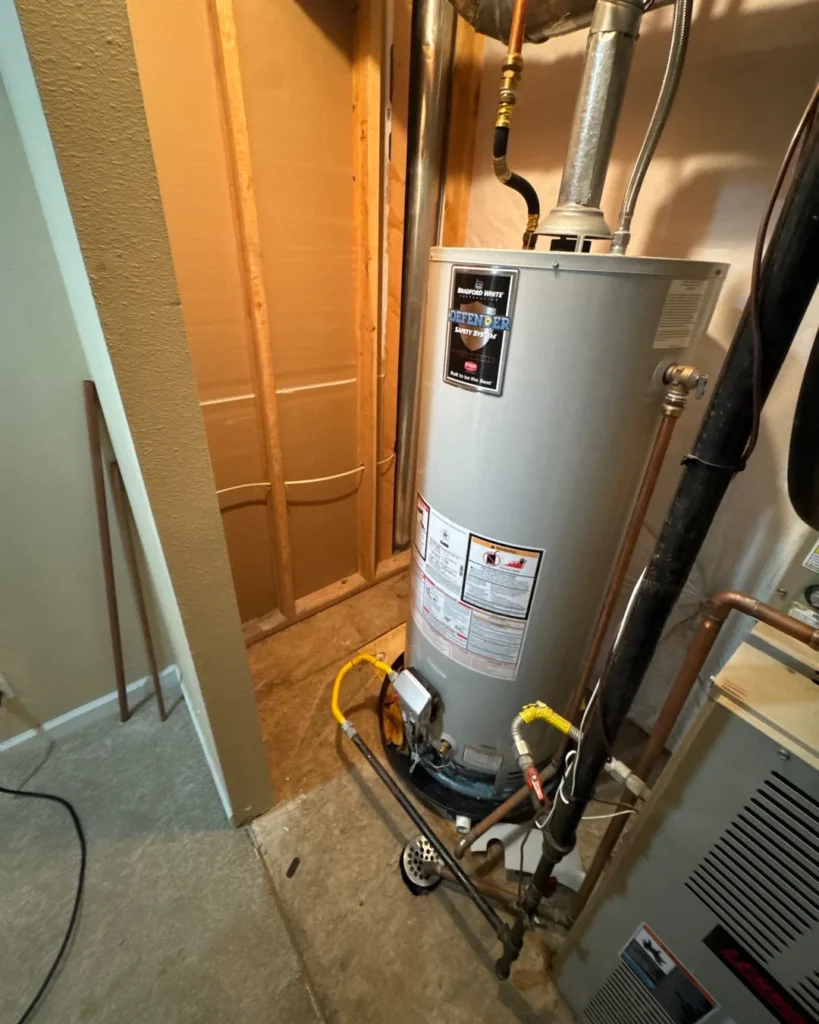
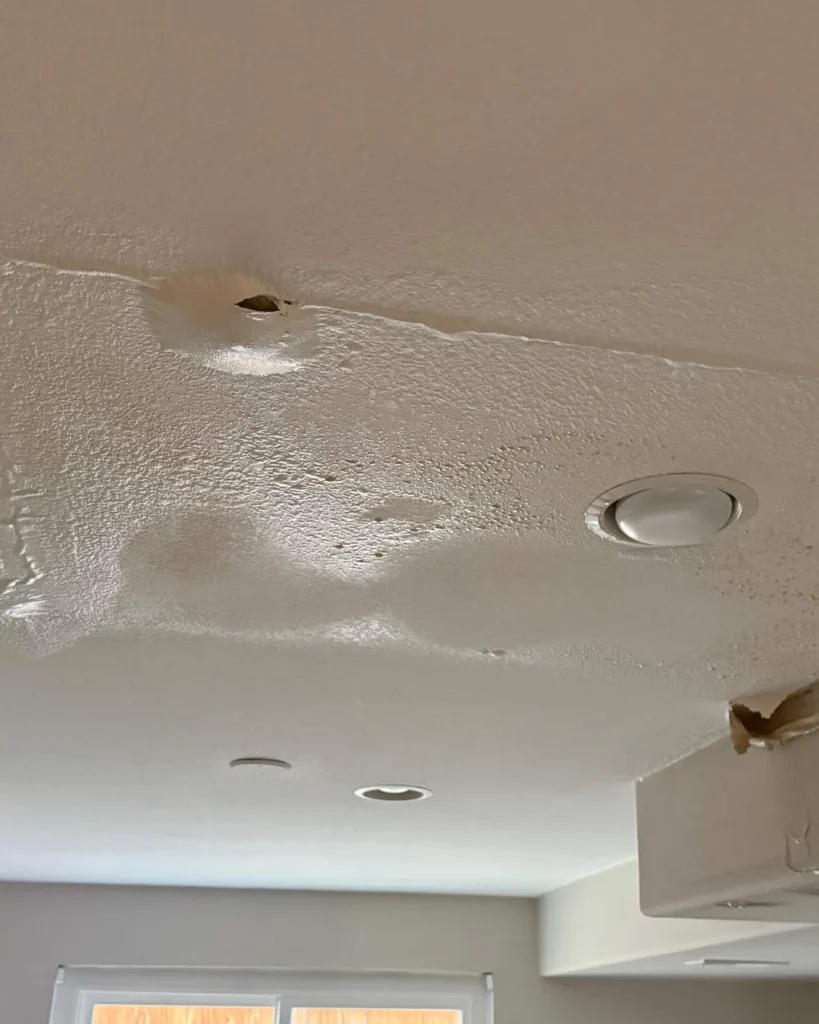
Plumbing failures are the most frequent. A supply line breaks, a water heater gives out, a washing machine hose fails. These are sudden events that typically fall under homeowners insurance because the damage is accidental and sudden.
Sump pump failures are especially common during spring snowmelt and summer thunderstorms along the Front Range. When the pump fails or gets overwhelmed, groundwater comes in fast.
Water through a basement window is more common than most people think. A garden hose left running near the foundation, a broken sprinkler line in the yard, or a sudden rainstorm that fills a window well faster than it can drain. The water finds its way in through the window seal or over the sill, and from there it hits the carpet or drywall just like any other water event.
Sewage backups happen when the main sewer line is blocked or a drain line fails in a basement bathroom. Sewage is contaminated water, which means the cleanup process is more involved. Materials exposed to sewage often shouldn’t be saved and require removal. If you’re dealing with sewage, especially a significant amount, it might be smart to talk to a professional.
Appliance malfunctions round out the list. Dishwashers, refrigerators, whole house humidifiers and water softeners all fail eventually. The damage depends on how long the water was flowing before someone noticed.
The Damage You Can See vs. the Damage You Can’t
This is where most homeowners underestimate the situation.
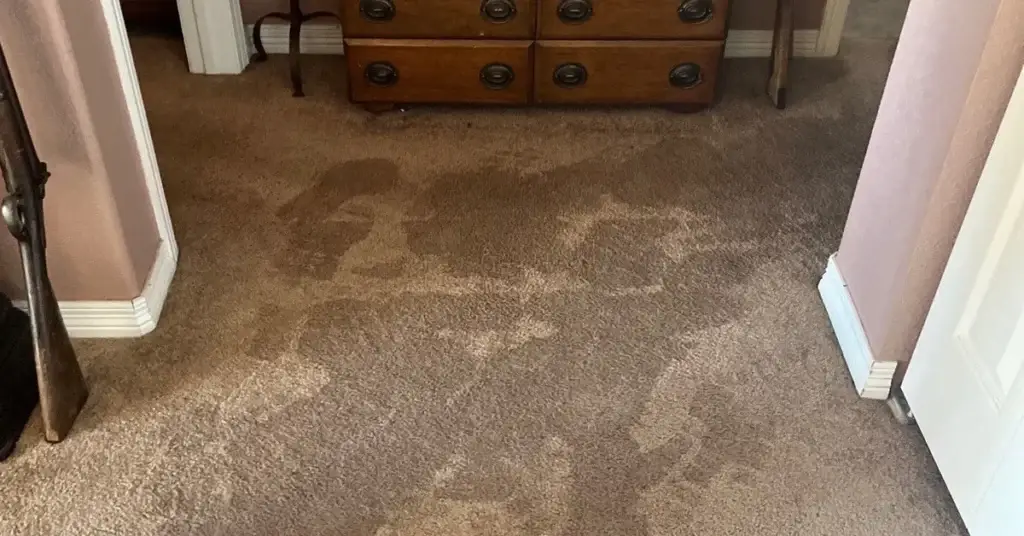
Visible damage is obvious: wet carpet, standing water, stained baseboards. You can mop that up.
Hidden damage is the real concern. When your basement floor gets wet, the bottom of your drywall gets wet too. Drywall absorbs water quickly, pulling moisture upward into the wall cavity, and often it still looks and even feels dry.
Behind that drywall, fiberglass insulation doesn’t absorb water the way drywall does, but it traps moisture between its fibers — and once it’s wet inside a wall cavity, it has no way to dry.
Our dry climate in Colorado gives homeowners a false sense of security. Your house feels dry, so you assume everything will dry out on its own. And mold doesn’t grow in dry climates, right?
But wet insulation trapped inside a wall cavity doesn’t get airflow. It holds that moisture against the framing and drywall, creating a humid environment perfect for mold growth. And when material stays above 16% moisture content with limited air circulation, that mold can begin to grow in as little as 48-72 hours.
You can’t measure hidden moisture with your hand. Professional moisture detection equipment is necessary to read through walls and identify exactly where moisture is trapped.
How do you know if basement water damage is worse than it looks?
In short, without expertise and professional moisture detection equipment, it’s hard to tell. However, there are some things you can look for.
If drywall, carpet, wood floors, LVP, or even tile was exposed to water for more than a few hours, there is a reasonable chance moisture has traveled further than what’s visible on the surface.
A few signs that the damage may extend beyond what you can see:
- Baseboards that show ‘bubbling’ or staining, that are pulling away from the wall at the top, or are starting to warp
- A musty smell, even after the visible water is gone
- Carpet that still feels damp days after the event
The only way to know for certain is to take moisture readings with professional equipment. A Free Damage Assessment can tell you exactly where the moisture is and how far it’s traveled.
When You Can Handle It Yourself (And When You Can’t)
Not every water event in a basement needs a restoration company.
You can likely handle it yourself if:
- The water was limited to a small area (a few square feet)
- You caught it immediately
- The affected area is cement, like in an unfinished basement or HVAC room
- There’s no carpet pad or drywall involved
You should check with a professional if:
- Carpet pad got wet (it traps moisture against the subfloor and rarely dries on its own)
- Water reached the drywall, even at the baseboard level
- The water was from a contaminated source (sewer backup, exterior flooding)
- You didn’t discover the water for several hours or longer
- The affected area is large or involves multiple rooms
- You cleaned up but still notice a smell days later
A lot of basement water damage can be taken care of by the homeowner, especially if it’s small. But if you’re not sure which category you’re in, it doesn’t cost anything to give us a call. We can often help make decisions over the phone or with pictures. We also offer a Free Damage Assessment, where a technician takes moisture readings inside the walls and gives you a clear picture of what’s happening and what it would take to fix it. No cost, no obligation.
You’ll talk to a real person, not a phone tree. We’ll ask a few questions about what happened and help you figure out your next step. Call (303) 660-6216.
What Professional Water Damage Restoration Looks Like
If the damage does warrant professional help and you want to know what you might be in for, here’s what the process typically looks like.
Stabilization (Day 1). IICRC-certified technicians extract standing water if necessary using commercial extractors and place drying equipment including dehumidifiers to draw bound moisture out of materials and air movers to promote faster evaporation. Baseboards are often detached and small holes drilled to help air get inside the wall cavity.
Check and Monitor (Days 2-5). Technicians return to check moisture levels, verify equipment placement, and adjust or remove equipment as materials dry. Drying typically takes around 3 days, depending on the materials involved and how the home responds.
Demolition (if needed). If materials aren’t drying properly, won’t likely dry, are trapping moisture, or if contaminated water was involved, some demolition may be required. This often means removing a section of drywall and pulling wet insulation. This only happens with your knowledge and approval.
Finalization. Once all materials are back to their dry standard (the moisture content they were at before the event), equipment comes out and the space is ready for any reconstruction that’s needed.
The whole mitigation process is designed to dry the structure and prevent secondary damage. Reconstruction, if needed, is a separate phase.
How Does Insurance Work for Basement Water Damage?
While not every water loss necessitates insurance involvement, it is one of the most common questions we are asked.
Most standard homeowners policies cover sudden and accidental water damage. Things like a pipe burst, water heater failure, or an appliance malfunction. If the damage happened unexpectedly and recently, it’s often covered.
What might not be be covered: gradual damage (a slow leak over months), maintenance issues, and exterior flooding. Sewer backup sometimes also require a separate rider on your policy.
A few things worth knowing before you file:
- Your deductible matters, but it’s not the whole picture. Knowing your deductible is essential before deciding whether to file, but the decision involves more than just whether the damage exceeds that number. Your claim history, the severity of the damage, and your financial situation all factor in.
- You don’t have to file immediately. Claims need to be filed within a reasonable timeframe, but that means within a day or two, not hours. It’s smart to take a moment, assess the situation and determine if insurance is the right call.
- A zero-pay claim still counts. If you file and the damage falls below your deductible, or the claim is denied, that claim still appears on your record and can affect future rates. This is why it’s worth understanding your situation before picking up the phone.
A restoration company like Forefront that works with insurance carriers and agents regularly can help you think through the decision. We can walk you through the likelihood of coverage, the scope, and cost of the damage so you can make an informed choice about whether to file. That conversation is free.
What Happens If You Wait Too Long?
Water that sits in building materials creates a predictable sequence:
- 24-48 hours: Materials absorb deeper. Drywall begins to lose structural integrity. Odor may develop.
- 48-72 hours: If moisture content stays present with limited airflow, conditions become favorable for microbial growth, especially behind baseboards and walls where you can’t see it.
- 1-2 weeks: Secondary damage compounds. Wet pad, for example, sitting against carpet can begin to cause deterioration and delamination in the carpet itself.
The longer moisture sits, the more material has to be removed and replaced rather than dried in place. Early intervention means less demolition, lower cost, and a faster return to normal.
If you cleaned up visible water a few days ago and things seem fine, they might be. But if you’re noticing a musty smell or something doesn’t feel right, getting a professional assessment is a low-risk way to be sure.
Key Takeaways
- The water on your basement floor isn’t always the full story. Moisture travels into walls, gets trapped in insulation, and soaks into subfloor materials.
- Colorado’s dry climate doesn’t completely protect you. Enclosed wall cavities don’t get the airflow needed to dry, regardless of outdoor humidity.
- Small spills on hard surfaces can be DIY. Anything involving carpet or flooring materials, drywall contact, or contaminated water likely needs professional drying.
- Insurance typically covers sudden and accidental water damage. Understand your situation before filing.
- Early action means less demolition and lower cost. The 48-72 hour window is real.
Every situation is different, but as a starting point: a small mitigation project might run around $750 in an unfinished basement, if it’s even necessary, and $1,000 to $3,000 for a finished basement, assuming the structure isn’t heavily affected. It’s often the case that an unfinished basement doesn’t need any help from us at all. Flooring is usually the biggest single variable: if the material is older and can’t be matched, the conversation moves from patching one area to replacing the whole floor. The best way to find out where you land is a Free Damage Assessment.
Carpet can often be saved if it was exposed to clean water (Category 1) and dried within 24-48 hours. The pad is the part that varies. Ordinary carpet pad, with no protective backing, can usually be saved in a clean-water loss too. Pad with a pet protective backing is different: the backing holds water against the subfloor, so we recommend removing it. If the pad does come out, that isn’t a big expense, and getting wet pad out quickly improves the odds of saving the carpet above it.
Professional drying of a water-damaged basement can range depending on the severity. Sometimes we can dry a room in as little as 24 hours. The standard dry time is around 3 days for the average project. Dehumidifiers and air movers run continuously during this period. Technicians monitor moisture levels and adjust the drying plan as conditions change. Reconstruction, if needed, is a separate timeline.
What to Do Next
If you’re dealing with water damage in your basement right now, or if you cleaned something up and want to make sure there’s nothing hiding behind the walls, we can help you figure out what’s going on.
A Free Damage Assessment gives you the full picture: where the moisture is, how far it’s traveled, what needs to happen, and what your options are with insurance. No obligation, no pressure.
Call us at (303) 660-6216 or learn more about our water damage restoration process.
Forefront Building + Restoration has been restoring Colorado homes for over 20 years, rated 4.7 stars across 359+ Google reviews. Our IICRC-certified technicians specialize in water damage restoration, structural drying, and full reconstruction across Parker, Centennial, and the greater Denver Front Range.