Certified Mold Remediation

Mold Remediation

We’ve been finding and removing mold in Colorado homes and businesses since 2005. Containment, certified removal, and independent clearance testing, down to identifying the moisture that feeds it.
Where to Start

Is This Mold?

You found something. Maybe it’s dark spots on the bathroom ceiling, a patch of fuzzy growth behind the couch, or a faint musty smell you finally traced to one corner of the basement. The first questions are usually the same: is it actually mold, and is it a problem?
Those are fair questions, and you deserve a straight answer before anyone talks about work. So that’s where we start. We come look, we tell you what we actually see, and we help you understand what you’re dealing with. More often than not, mold is more manageable than it looks, and caught early it’s safe and straightforward to take care of.
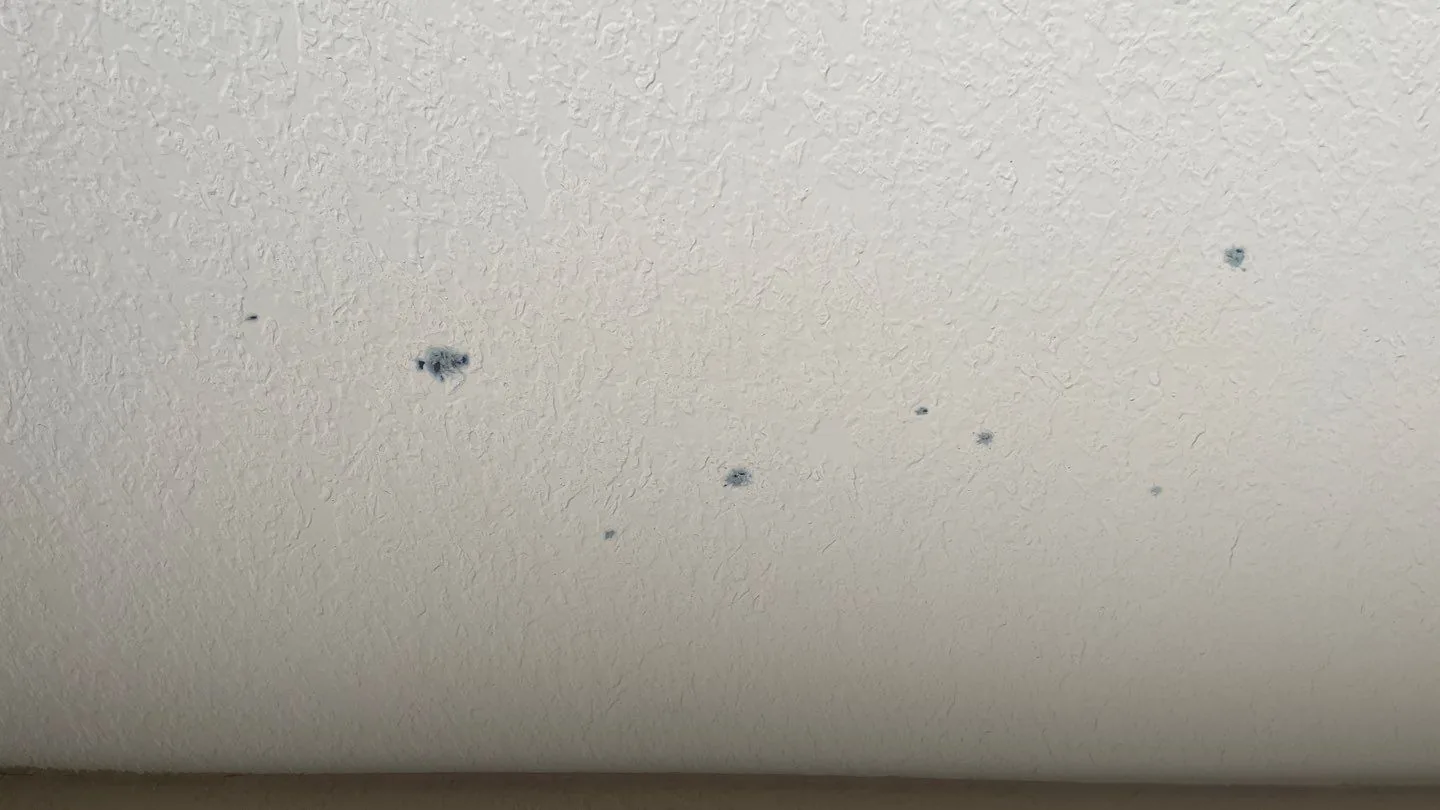
Faint discoloration on a ceiling, the kind homeowners wonder about, mold or just a stain

What About Black Mold Removal?

Black mold is the same job as any other mold. We contain the area, take out what's affected, clean and treat what stays, and dry it out so it doesn't come back. What color the mold is matters less than how far the moisture behind it has spread.

Mold Is a Moisture Problem, Not a Cleaning Problem

Mold doesn’t grow because a home is dirty. It grows because moisture sat somewhere long enough. Find the water, and you’ve found the mold.
Where it starts: the moisture
  • A slow leak behind a wall or under a sink
  • Water damage that never fully dried
  • A poorly ventilated bathroom that steams up during hot showers
  • Basement humidity and poor airflow
  • Grading that pushes water toward the foundation
Where it shows up
  • Black or green spots on drywall, ceilings, or grout
  • Fuzzy growth behind furniture or baseboards
  • A musty, earthy smell with no clear source
  • Warped or stained walls and trim
  • White, chalky patches on basement concrete (often efflorescence, not mold)
Not sure whether the white stuff on your basement wall is mold or just mineral deposit? That’s one of the most common questions we get, and usually an easy one to settle. (303) 660-6216

Colorado isn't too dry for mold.

Behind the Walls

The Mold You Can't See

By the time mold is visible, there’s often more behind the surface. It grows inside wall cavities, under flooring, in insulation, and behind cabinetry, anywhere moisture collects and the air goes still. Wiping down what you can see, or painting over it, leaves the rest growing underneath.

Does Colorado's dry climate prevent mold?

No. The outdoor air is dry, but indoor humidity from showers, cooking, and laundry, combined with tight modern construction and below-grade basements, creates exactly the conditions mold needs. We do as much mold work as water mitigation, often more. It’s the most common thing we hear: “Colorado is so dry, mold isn’t really a problem here,” and it just isn’t true.

Give trapped moisture 24 hours and mold can start, behind baseboards, under carpet, and inside the drywall, long before you ever see it.

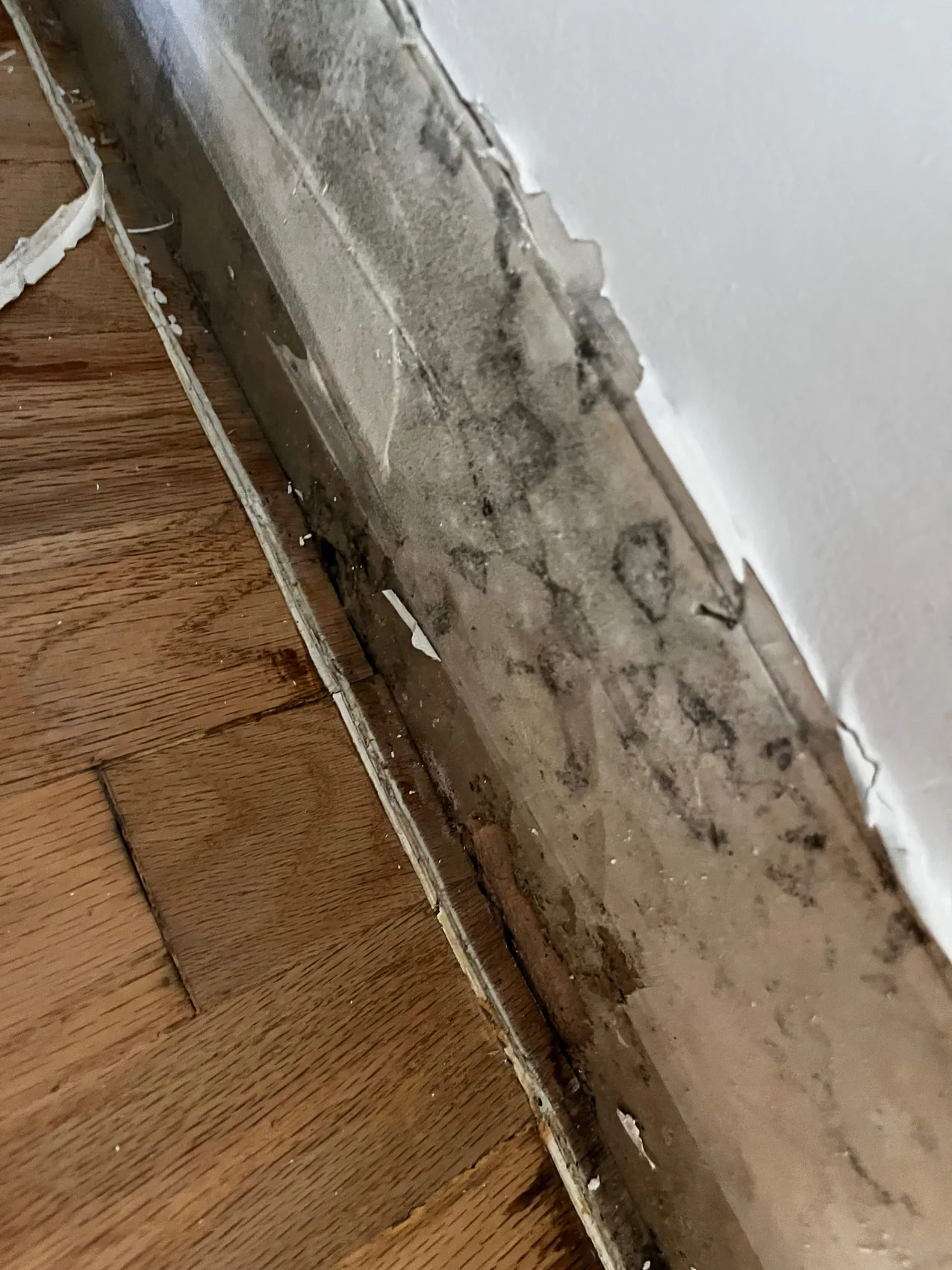
Mold growing along a baseboard, the kind of hidden mold found behind and beneath surfaces

How Mold Removal and Remediation Works

Every mold problem is a little different, but the work follows the same structure. Here’s what it looks like.
01

Inspect

We start by confirming whether it's actually mold and how far it goes. A lot of what looks alarming turns out to be minor, or not mold at all, so we look first and show you exactly what we find before anyone talks about work.
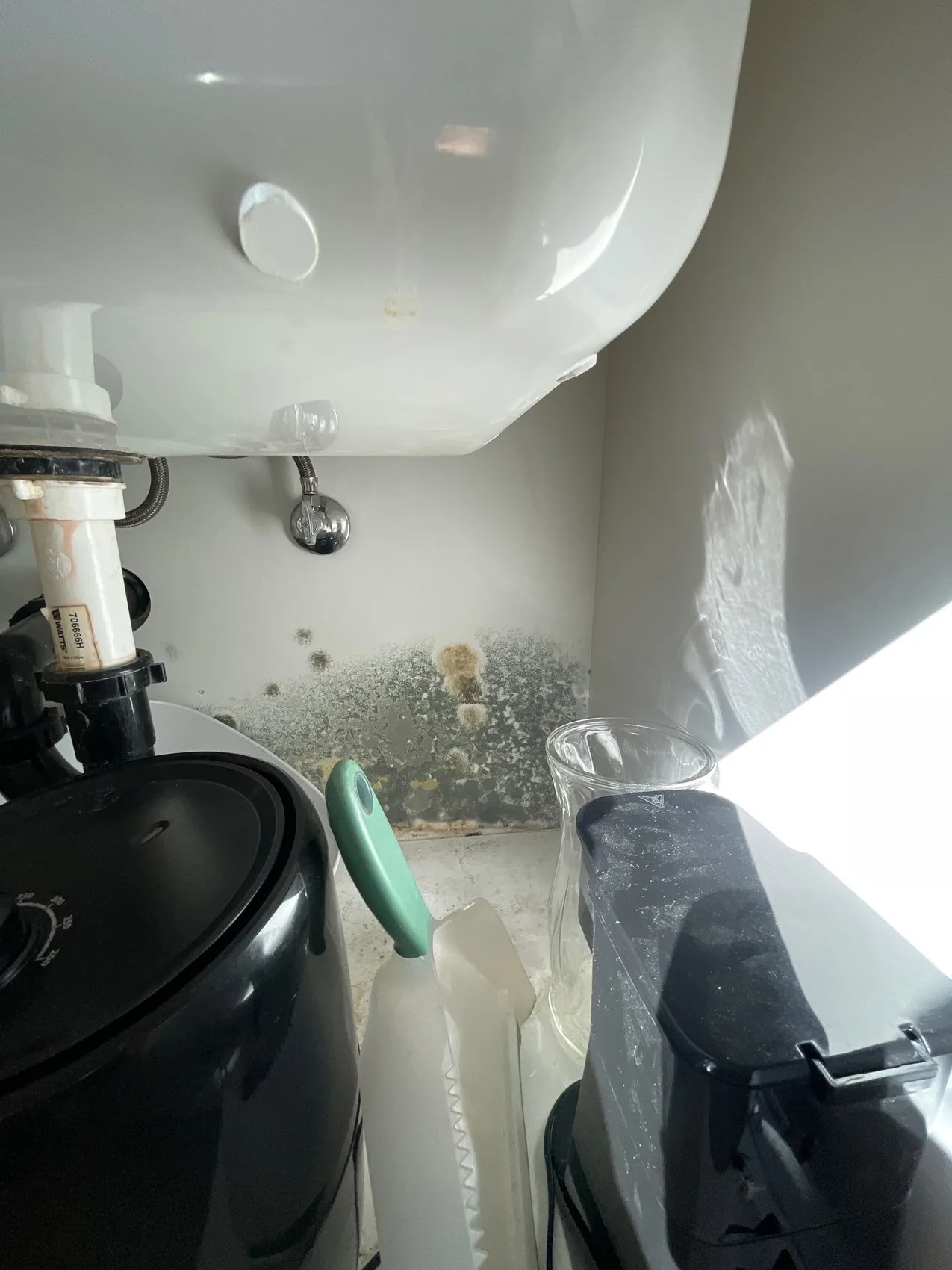
Inspecting a bathroom to confirm whether mold is present
02

Contain

Once we know what we're dealing with, we seal off the area with containment barriers and put it under negative air pressure, so spores don't travel into the clean parts of the building while we work.
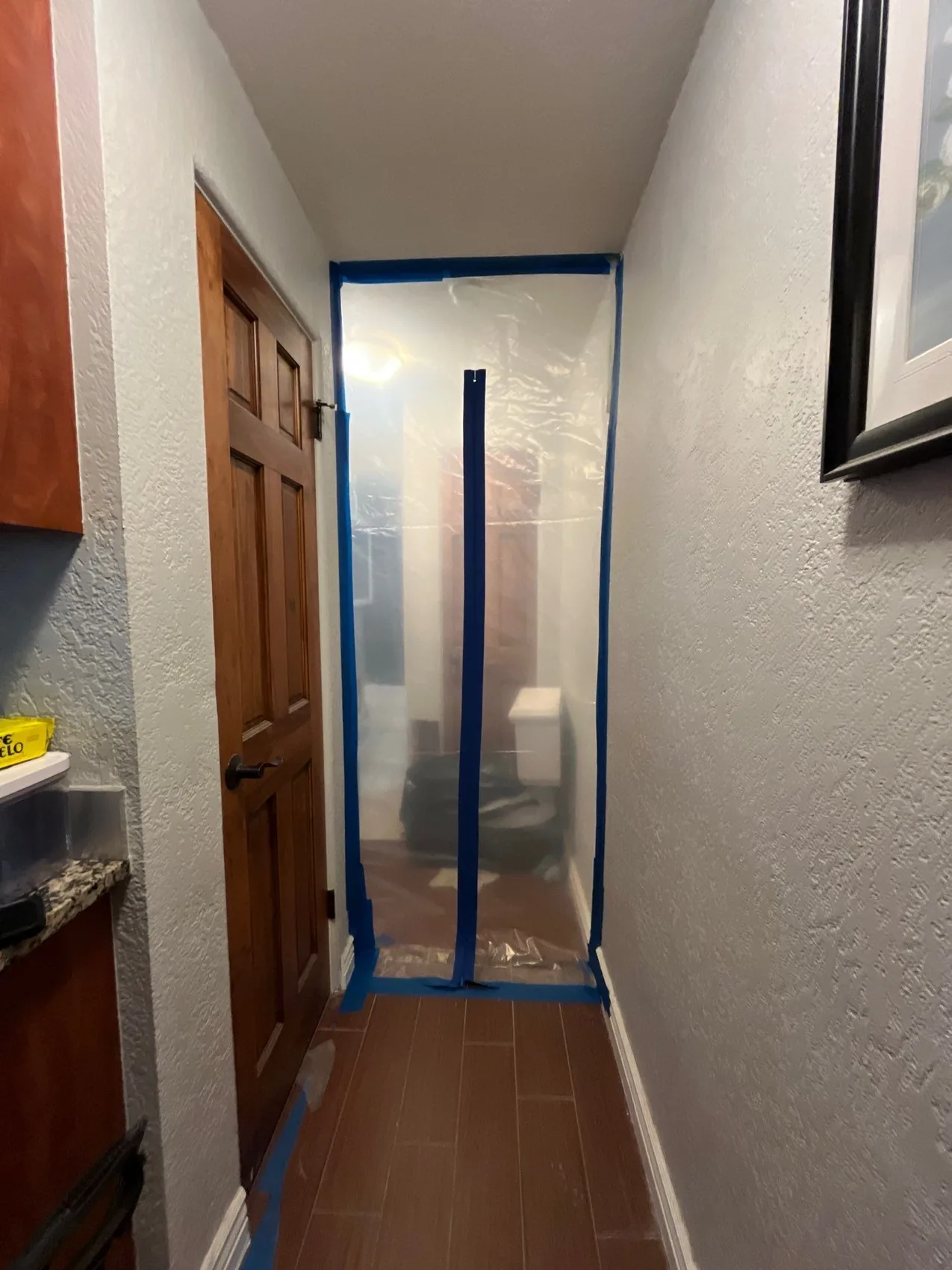
Containment sheeting sealing off a work area during mold remediation
03

Remove

We take out the affected materials with the right equipment and protective gear, following the IICRC S520 standard, keeping dust and spores contained the entire time.
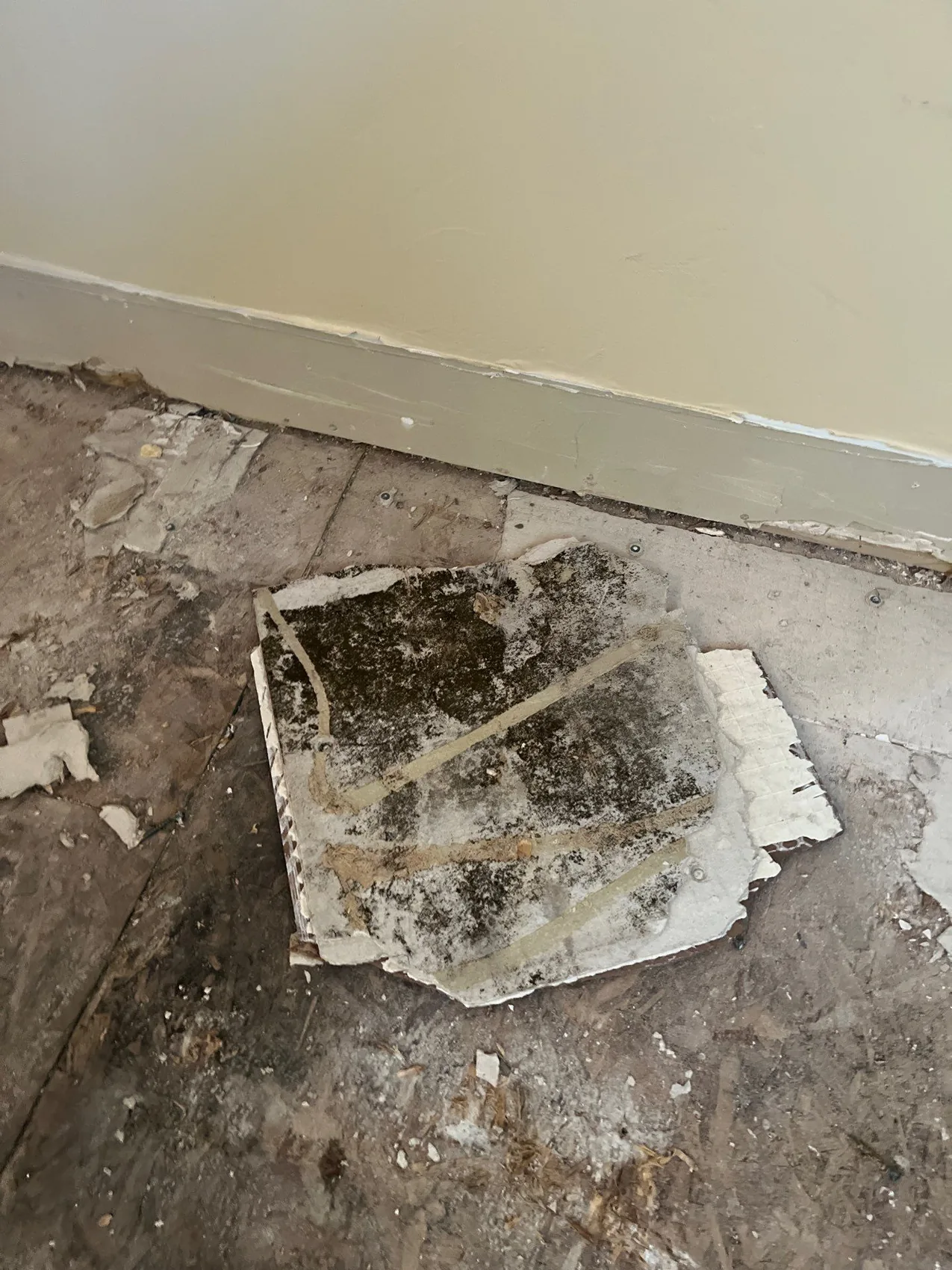
Mold-affected drywall removed during remediation
04

Clean & Treat

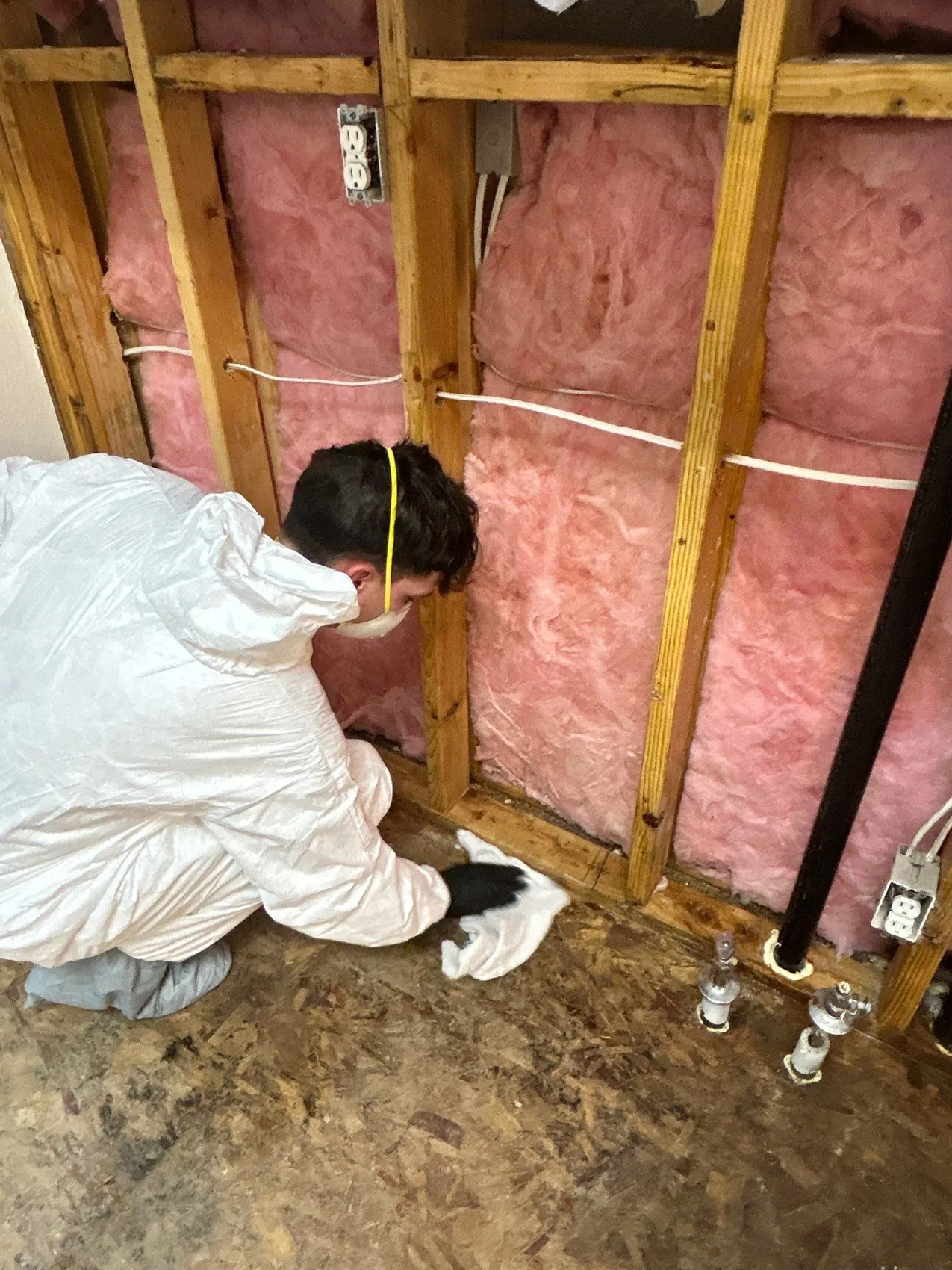
What can be saved gets cleaned with HEPA filtration and treated with an antimicrobial. The surfaces that stay are genuinely clean, not just wiped down on top.
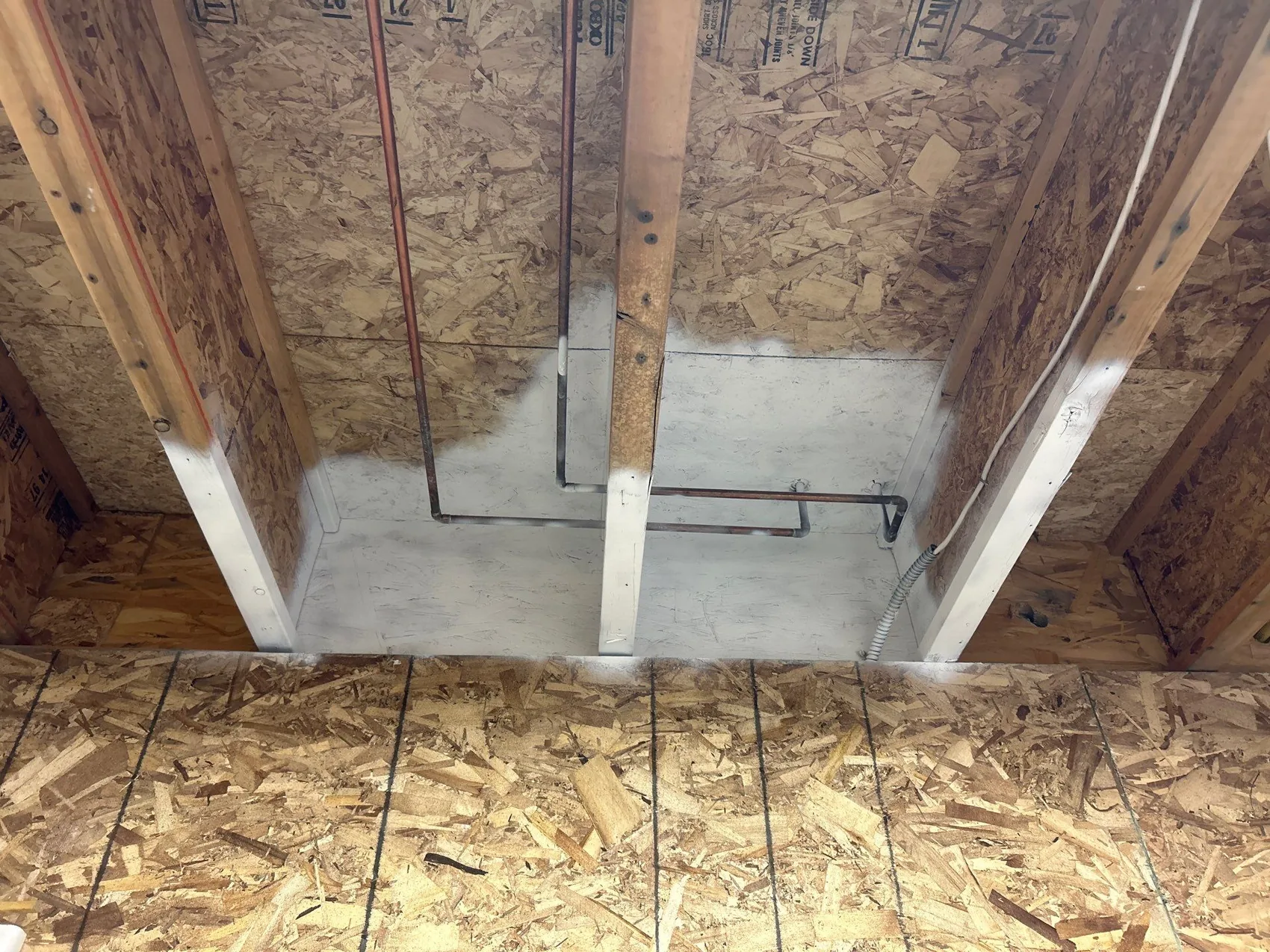
Wall framing cleaned and treated after mold removal
05

Dry

We dry the structure back to a normal moisture level. Mold needs moisture to grow, so getting everything fully dry is a big part of making sure it doesn't return.
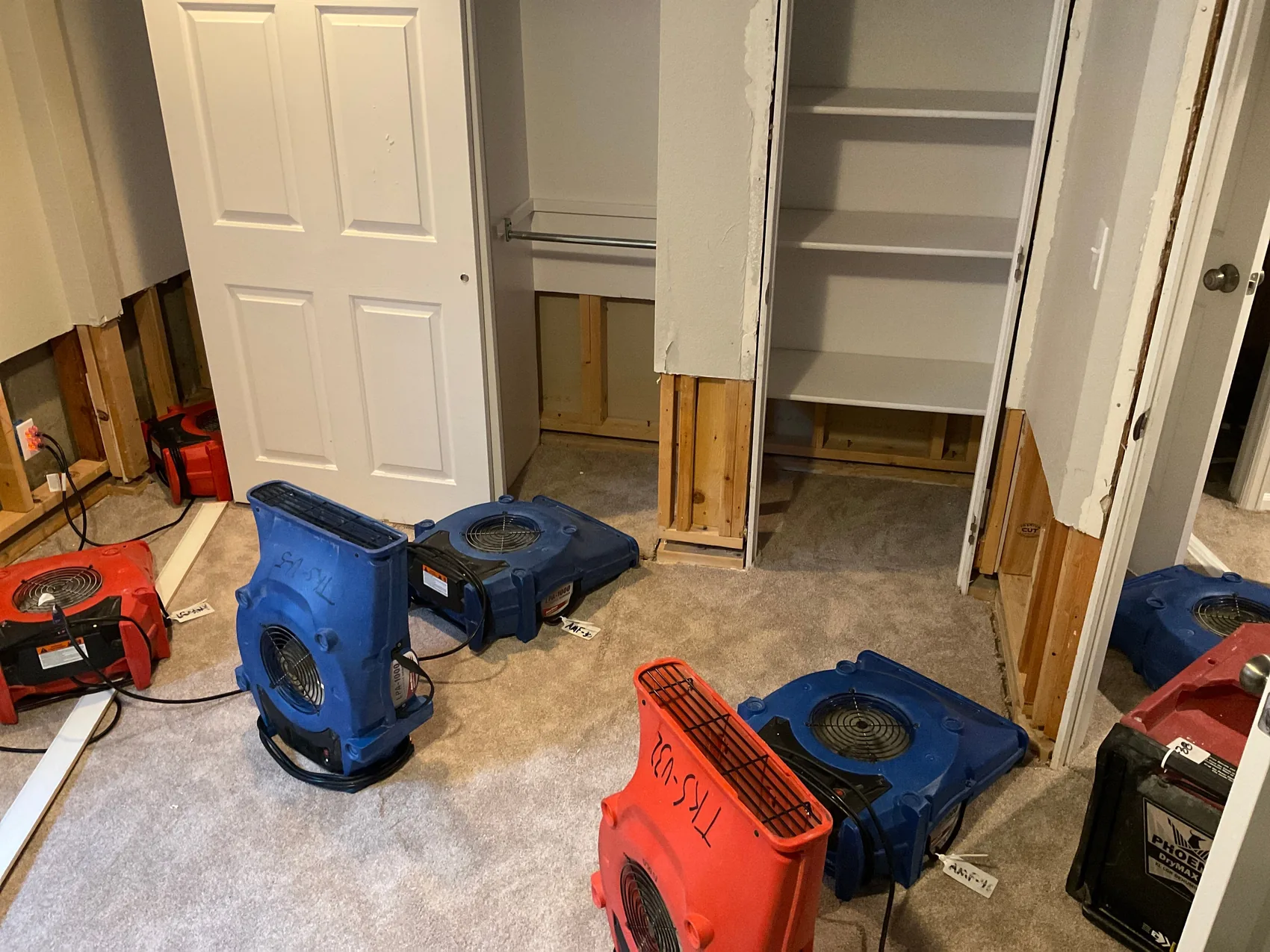
Air movers and a dehumidifier drying a room after mold removal
06

Repair & Rebuild

Once everything is clean and dry, we rebuild what was removed: drywall, flooring, trim, paint. The same team that handled the mold puts the space back together.
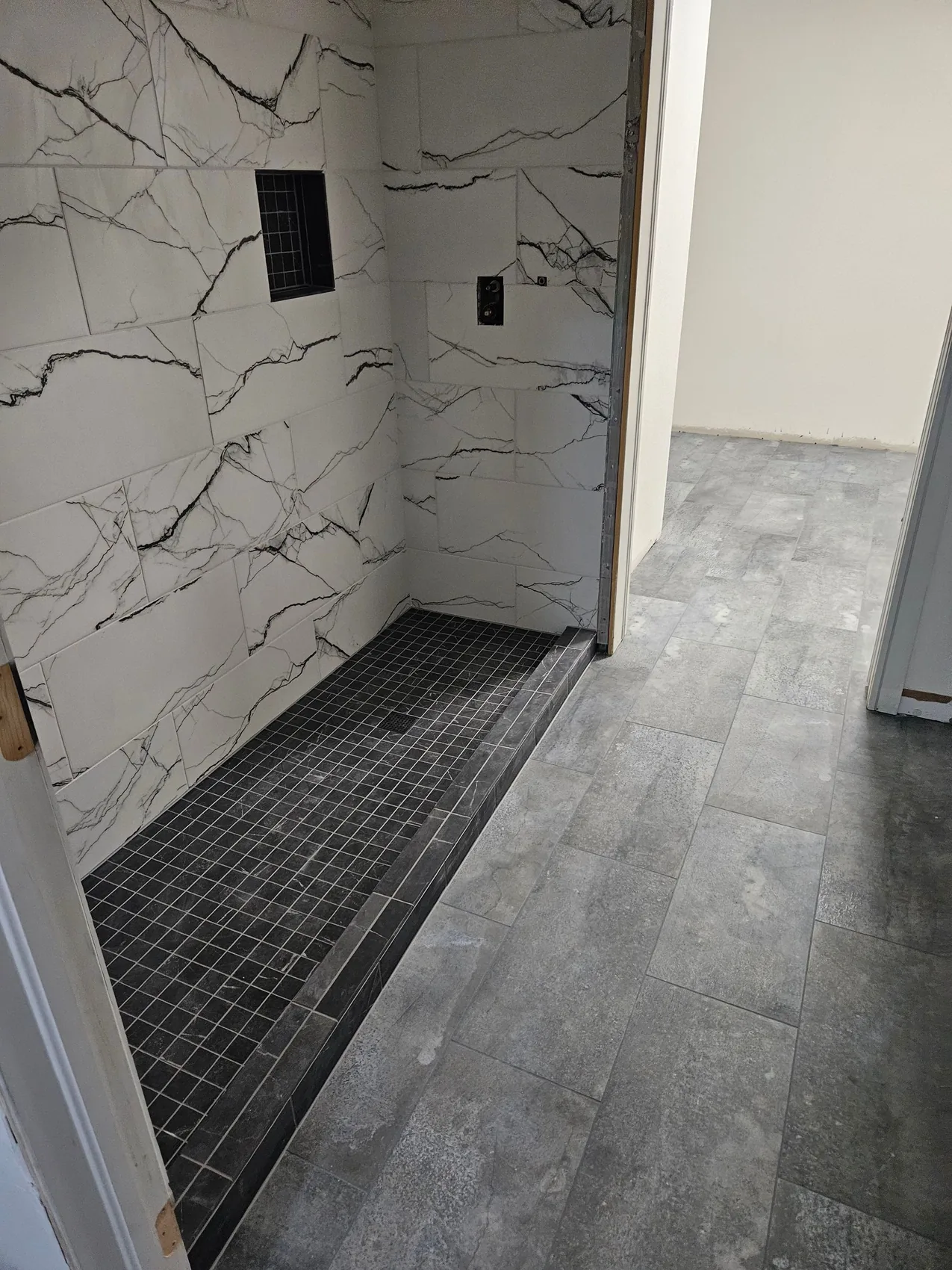
Rebuilt and finished interior after mold remediation
A note on testing: when it makes sense, we’ll point you to an independent company to confirm the air is clean once we’re done. More about our reconstruction process →
During the Work

What to Expect During Remediation

Mold work looks more disruptive than people expect, mostly because of the containment. Knowing what’s coming makes it easier.

Containment changes the space

Plastic barriers, sealed-off rooms, an air scrubber running in the background. It can look dramatic. It's exactly what keeps spores from spreading.

Most projects run a few days

The timeline depends on how much mold there is and how wet the structure is. We give you a real estimate after we see it.

You can usually stay home

Most mold projects are small, and many wrap up in under a day. With the work area sealed off, the rest of your home or business keeps running normally.

Surprises happen behind walls

Mold often goes further than it looks from the front. We show you what we find and talk it through before we keep going.

Forefront technician removing mold inside a sealed containment area
Insurance & Cost

Mold, Insurance, and Cost

This is where we can save you the most frustration, often before we ever visit.

Does insurance cover mold?

It's tricky, and rarely a clean yes or no. Whether mold is covered usually comes down to what caused it, how long it's been there, and whether your specific policy sets aside coverage for mold. Damage from a sudden, covered event like a burst pipe has a better chance than mold from a slow leak or ongoing humidity. With 20+ years working directly with carriers, we'll help you understand where your situation likely falls before you file anything.

What does it cost?

A smaller mold job, contained to one area, usually runs $1,000 to $3,000. It grows from there with the size of the affected area and whether it reached the HVAC.

  • The Free Damage Assessment costs nothing. We look, explain what we see, and give you a real estimate.
  • You get a written scope of work, not a one-line price with a number on it.
  • Most mold is not something to panic about. Caught early, it's usually quick and safe to handle, and we'll tell you plainly what yours needs.

Do I need testing?

Sometimes. If the mold is clearly visible and the cause is obvious, testing beforehand may not add much. Where testing really earns its keep is confirming the air is clean once the work is done, and for that we'll point you to an independent company rather than grade our own work.

The Difference

One Company, Start to Finish

Mold work often takes two phases: removing the mold and the affected materials, then rebuilding what came out. We do both. We’re a water mitigation, mold remediation, and reconstruction company under one roof.
We contain the area, remove the mold, and rebuild what came out. No handoff to a separate contractor, no re-explaining your situation, no wondering who’s responsible for the wall that’s still open. One company from beginning to end. No handoff gap.
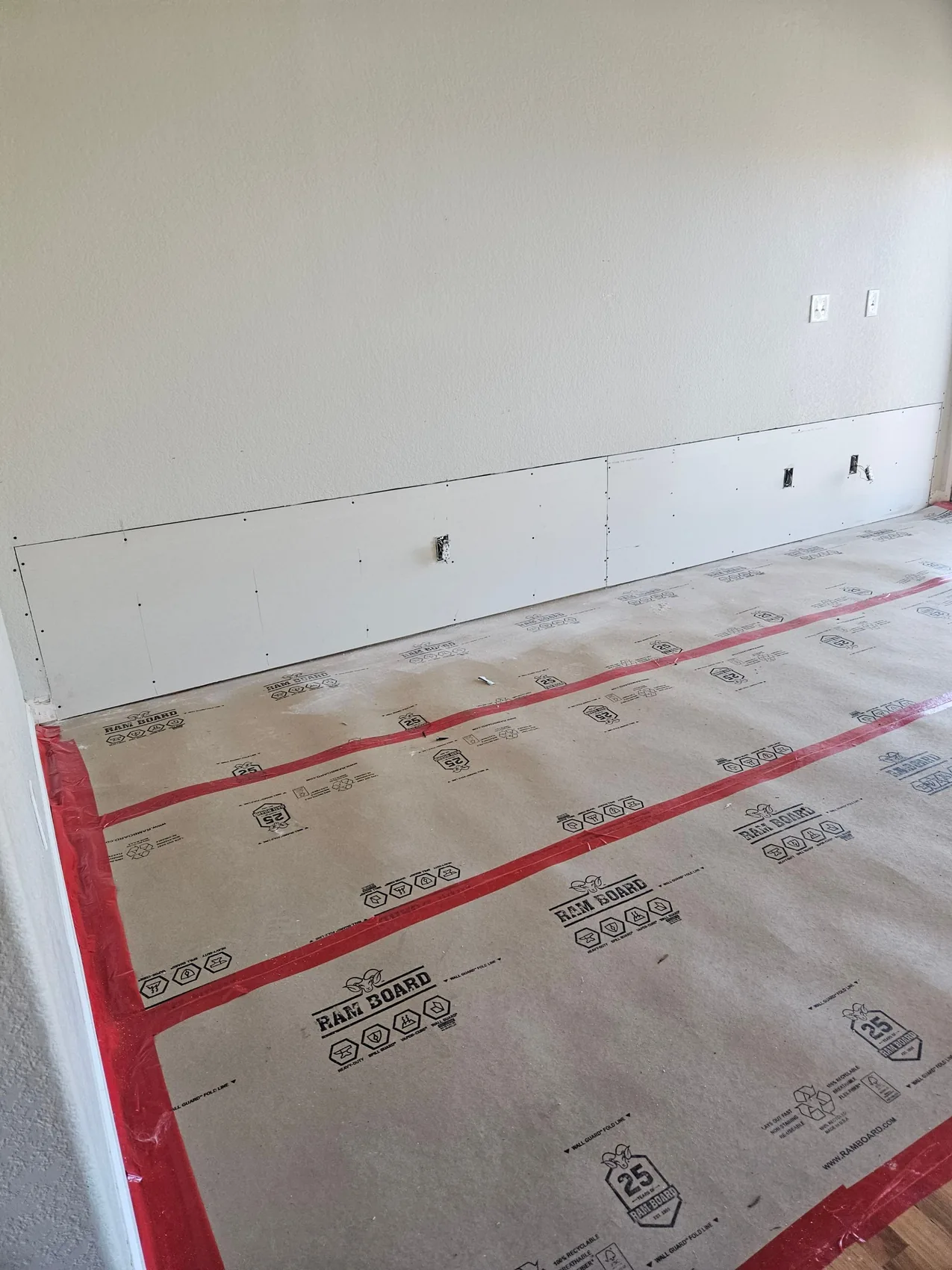
Room with new drywall installed after mold remediation and reconstruction

Common Questions About Mold Remediation

Bleach is the most common DIY attempt and the least effective on the surfaces that matter. It can lift a stain off non-porous tile, but on drywall, wood, and other porous materials it leaves the roots behind, and the added moisture can actually feed regrowth. The EPA generally suggests professional help for areas larger than about 10 square feet. A small spot on a hard surface may be something you can handle. When in doubt, call and we’ll help you tell the difference.
“Black mold” gets the headlines, but there’s no solid evidence it’s more harmful than other types. All mold is worth handling properly, but the color isn’t the thing to fixate on. We treat mold based on what it’s doing and where it is, and most of the time it’s very manageable.
This is one of the most common Colorado basement questions. Efflorescence is a white, chalky, crystalline mineral deposit that pushes through concrete, and it brushes off as powder. Mold is usually fuzzy or slimy, often colored, and it tends to come back. If you’re not sure, a photo or a quick visit usually settles it.
Mold comes back when the moisture that caused it is still around. Once the affected materials are properly removed and the area is fully dried, and the underlying moisture is taken care of, it shouldn’t return. We’ll point out what’s feeding it so it can be handled.
We can guide you on when testing is worth it, but for confirming an area is clean after the work, we recommend an independent testing company rather than grading our own work. We’ll gladly coordinate with the inspector of your choice.
Most projects run a few days, depending on how much material is affected and how wet the structure is. Containment, removal, drying, and clearance each take time. After we see it, we can give you an accurate timeline for your situation.
Try not to disturb it, since scrubbing or knocking into mold can release spores. Keep the area as dry as you can, and avoid running HVAC that moves air through the affected space if you’re able to. Then call us and we’ll walk through what makes sense for your situation. (303) 660-6216

Mold Remediation Across Colorado's Front Range

Mold doesn’t care what city you’re in, and neither does the dry-climate myth. We serve the full Front Range from our offices in Centennial and Colorado Springs.
Colorado SpringsMonumentFountainDenverParkerCentennialCastle RockHighlands RanchLittletonAuroraLone TreeFort CollinsLovelandLongmontWindsor

Not Sure If It's Mold?

That’s the most common place people are when they call. Send us a photo or start with a conversation. We’ll tell you whether it’s something to worry about, whether you can handle it yourself, and what it would take if you can’t. No scare tactics, no pressure, no cost.
You'll talk to a real personA live dispatcher, not a phone tree or a form.
Everything in writingA clear scope of work that lays out exactly what we'd do.
Not sure what you need?
That's fine
We can help you figure it out with a phone call.