Smoke & Soot Cleanup

Smoke Damage Cleanup in Colorado

The fire’s out, but the soot and the smell are everywhere, and some of it you can’t even see. We can find it, clean it, and get the smoke smell out at the source, not just cover it up.

It's not just where the fire was, it's where the smoke went.

A pot left too long on the stove, an appliance that caught, a small fire that got put out fast. The flames are gone, but the soot settled on everything and the smell followed it into the rest of the house. That part doesn’t clean up the way it looks like it should.
You wipe a wall and the rag comes away black, and it smears more than it lifts. You open a closet two rooms away and it smells like the fire happened in there. How far did this go? Is the smell ever going to leave? Is the soot something we should be breathing while we figure it out?
Those are the right things to be asking. Forefront Building + Restoration has cleaned up smoke and soot in Front Range homes for over 20 years, and the reason we get called for it is that smoke is sneakier than it looks. We can help you figure out how far it traveled and get rid of it, the part you can see and the part you can’t.

How It Starts

It doesn't take a big fire to leave a lot of smoke

Most of the smoke jobs we get called for didn't start as big fires. The fire was small, or contained, or already out by the time anyone called. The damage that's left is the soot and the staining and the smell:

  • An unattended pot or pan on the stove. Dinner gets forgotten, the pan scorches, and a kitchen full of greasy smoke rolls through the house in minutes.
  • An appliance that catches. A microwave, a toaster, a dishwasher motor, something shorts and burns, often with a lot of smoke for a small amount of fire.
  • A small or contained fire. Even a fire that stayed in one spot, or that the fire department knocked down quickly, leaves soot and odor well beyond where it burned.

Different starts, same result: soot on surfaces, staining where the smoke pooled, and a smell that's settled into the house.

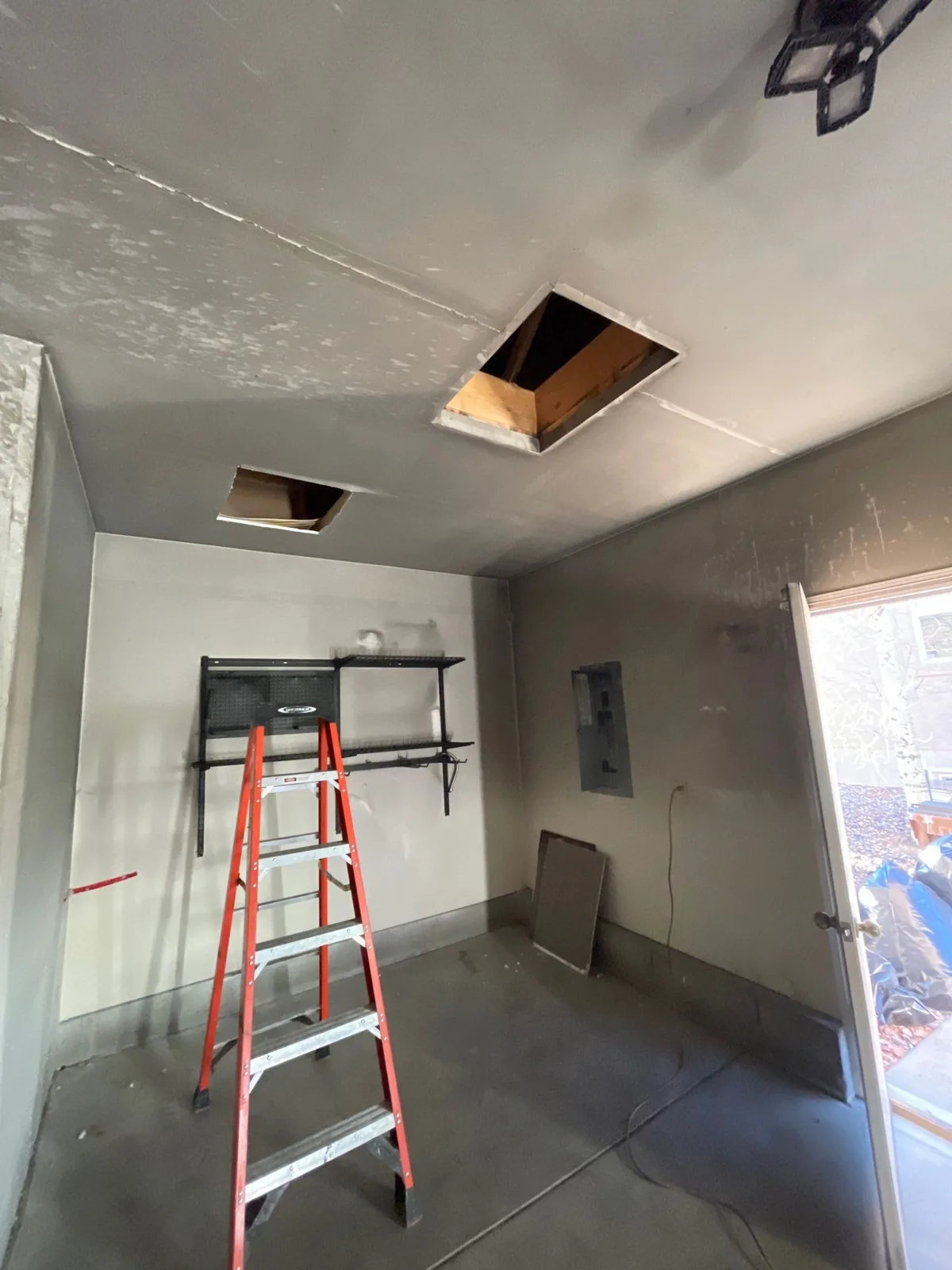
A garage coated in grey soot film with the ceiling opened up during smoke cleanup

The Part You Can't See

Smoke travels farther than the fire ever did

Smoke takes some expertise to clean well, because it doesn't behave the way it looks like it should. It doesn't stay near the fire. It moves with the air through the whole house, into rooms nothing burned in, and it carries a greasy residue, especially from a kitchen fire, that smears when you wipe it instead of lifting off. A lot of the soot it leaves is too fine to really see. A wall can look fine and still be coated, which is why we test surfaces rather than guess, and why surface-wiping a few visible spots doesn't get a house clean.

It also gets into the places you can't reach. Smoke pulls through the HVAC system and rides the ductwork into every room the system serves, so cleaning the rooms without addressing the system just lets it recontaminate them later. And the soot in the air is fine enough to breathe, so we stay careful about the air in the house while we work.

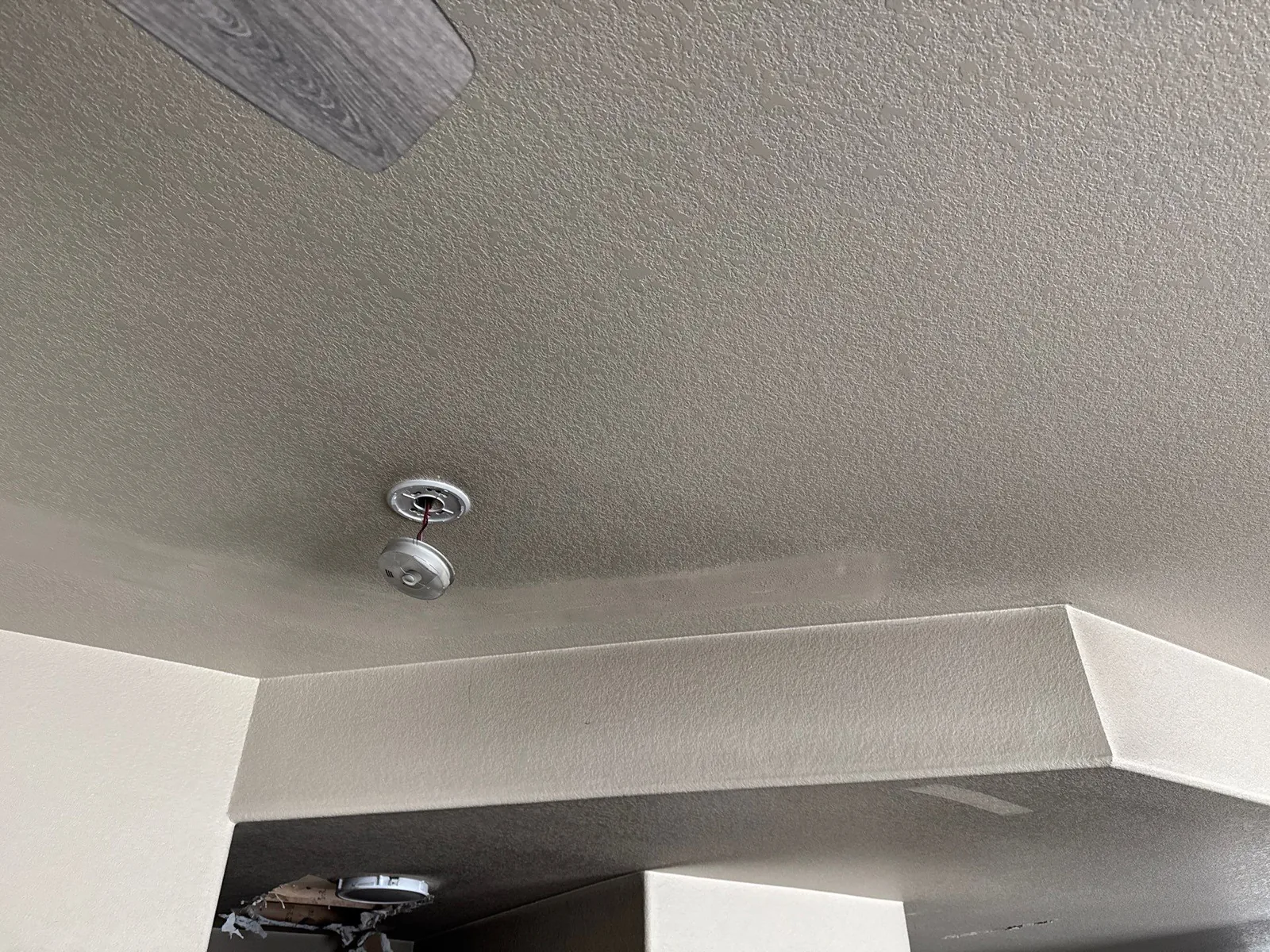
Faint soot discoloration spread across a ceiling in a room away from the fire

The smoke smell stays until all of it is cleaned.

What happens when you call

It starts the moment you call, day or night. We figure out together what you’re dealing with, then the work goes like this.
01

We inspect and scope the damage

We walk it with you and test surfaces for soot instead of guessing. The residue and the smell almost always reach farther than the staining you can see.
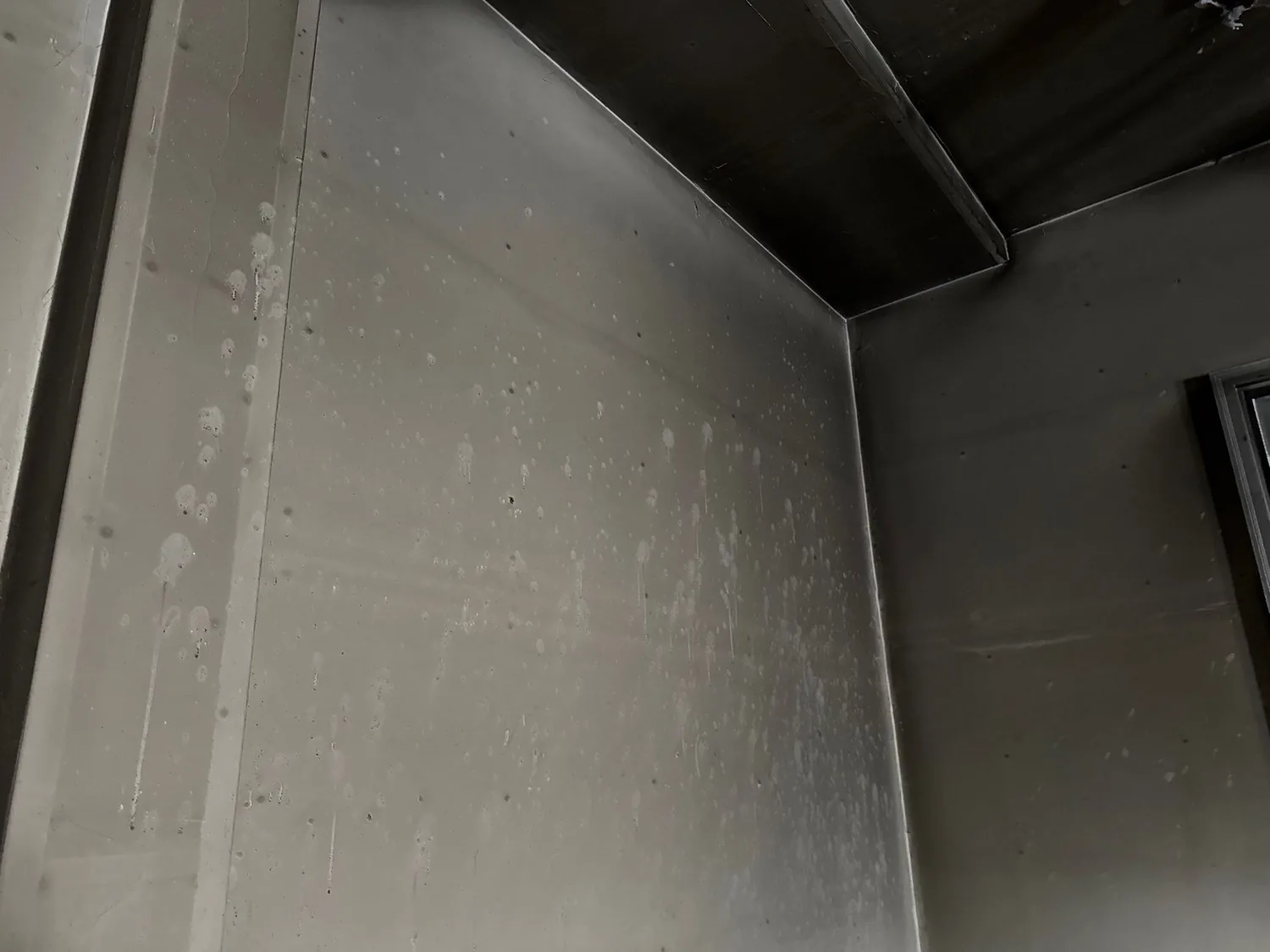
Soot blackening the ceiling and walls of a room, showing how far the smoke spread
02

We clean what can be cleaned

Soot comes off different surfaces different ways, and the greasy kind from a kitchen fire needs the right method or it just smears. We clean the structure and the contents that can be saved.
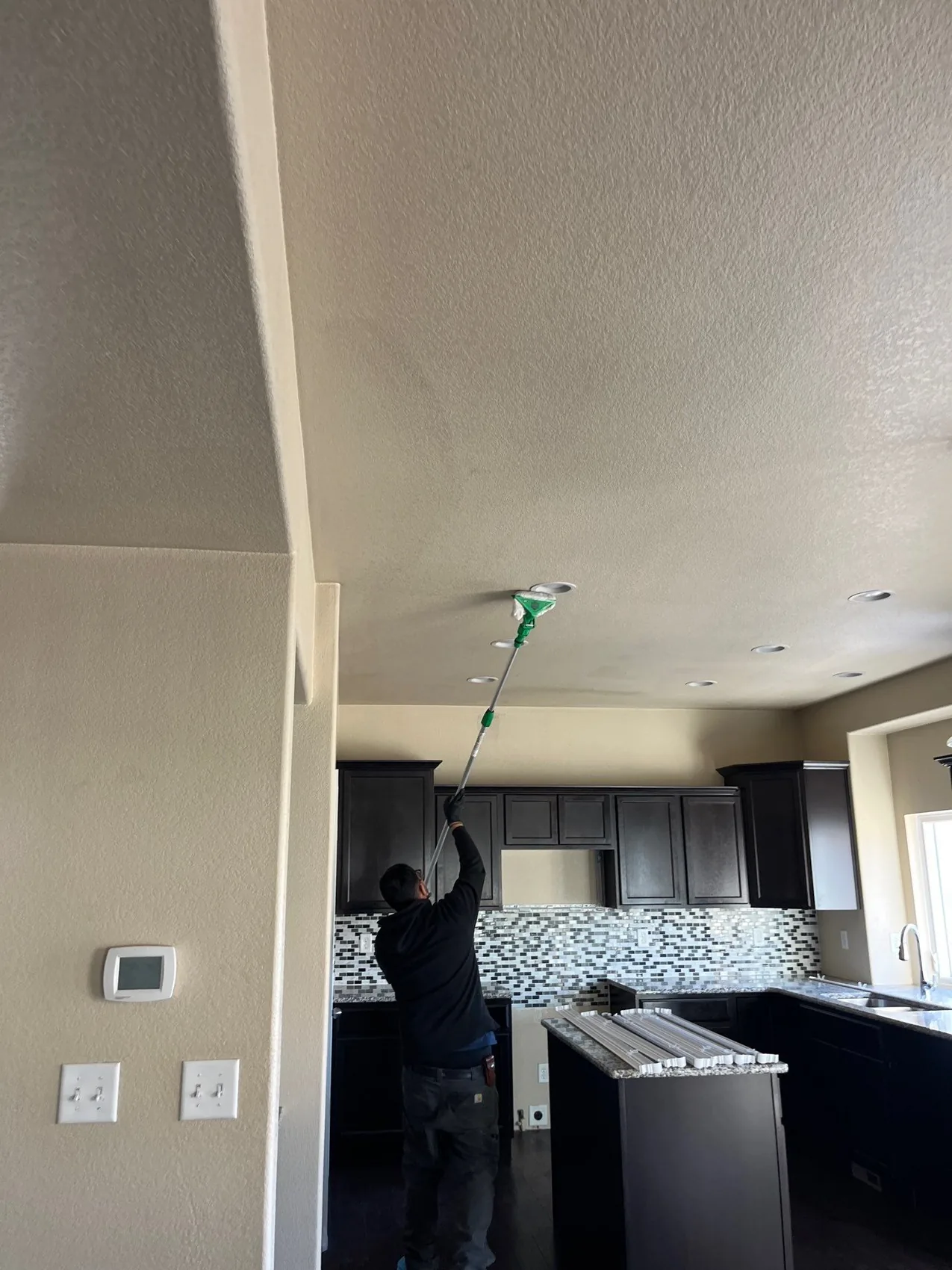
Technician cleaning soot off a kitchen ceiling during smoke damage cleanup in Colorado
03

We remove what can't be saved

The porous materials that soaked up soot and odor come out. We get your approval before any demolition and document it for you and your carrier as we go.
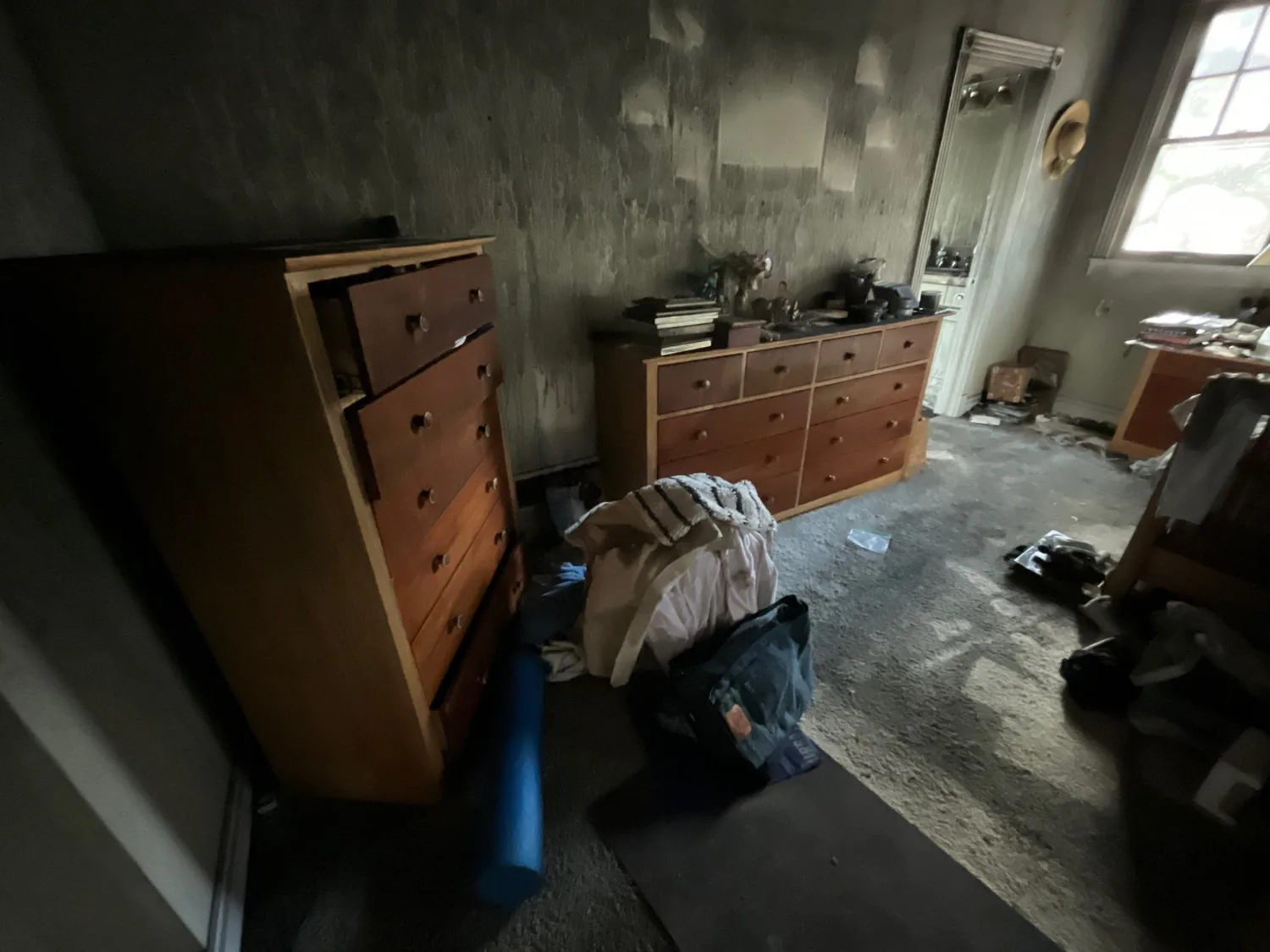
A smoke-damaged room with sooted cabinets and contents before cleaning
04

We clean the air and neutralize the smell

We run air scrubbers to pull soot out of the air, then hydroxyl generators to break down the smoke odor in the porous materials that absorbed it, instead of masking it. Hydroxyl is safe to run while you're still in the home.
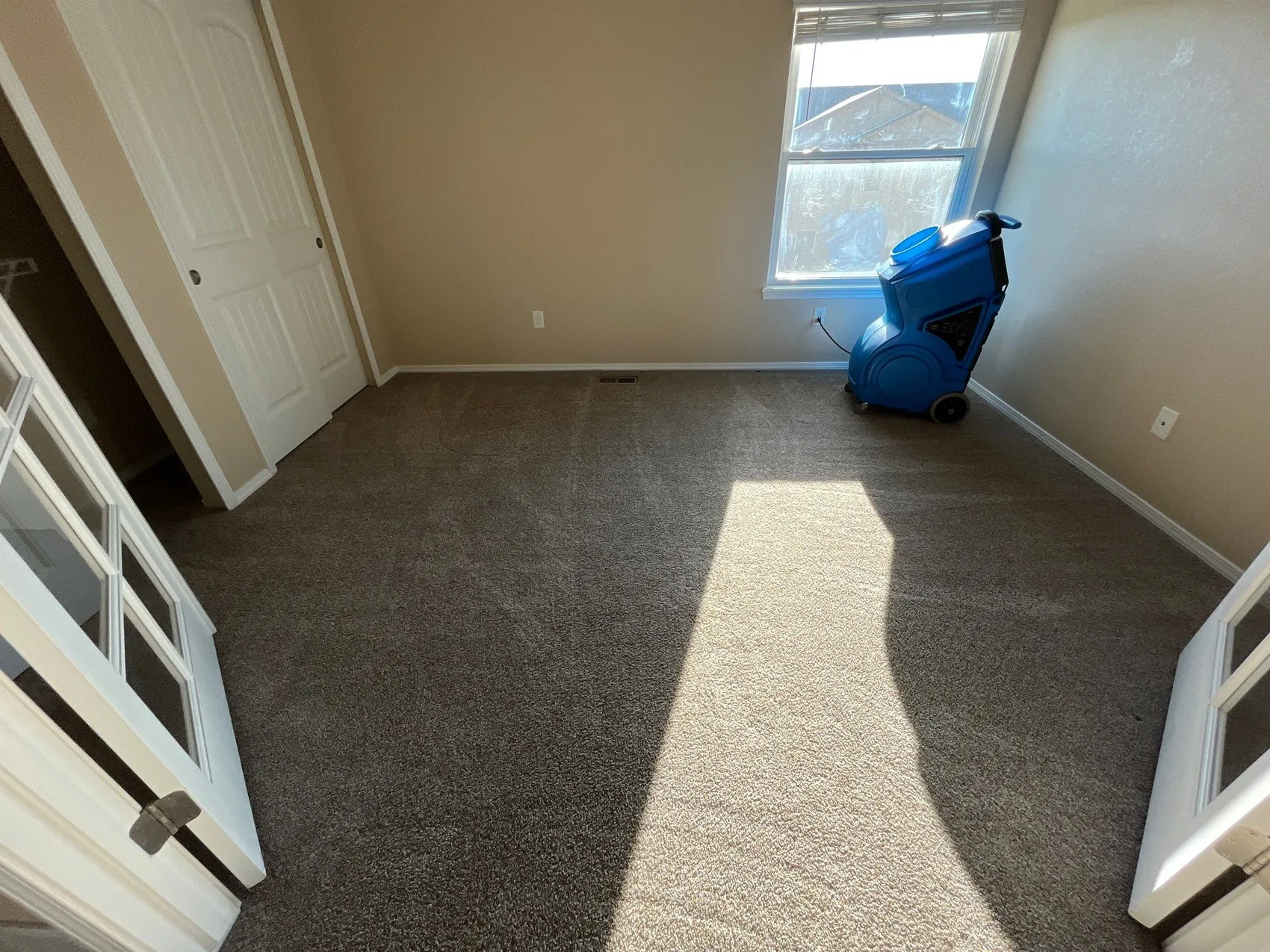
A blue air scrubber (AFD) running in a room to filter smoke and neutralize odor during smoke damage cleanup in Colorado
05

We seal and repaint

Some surfaces hold onto odor even after a thorough cleaning. We encapsulate those, then prime and paint, so the smell doesn't bleed back through.
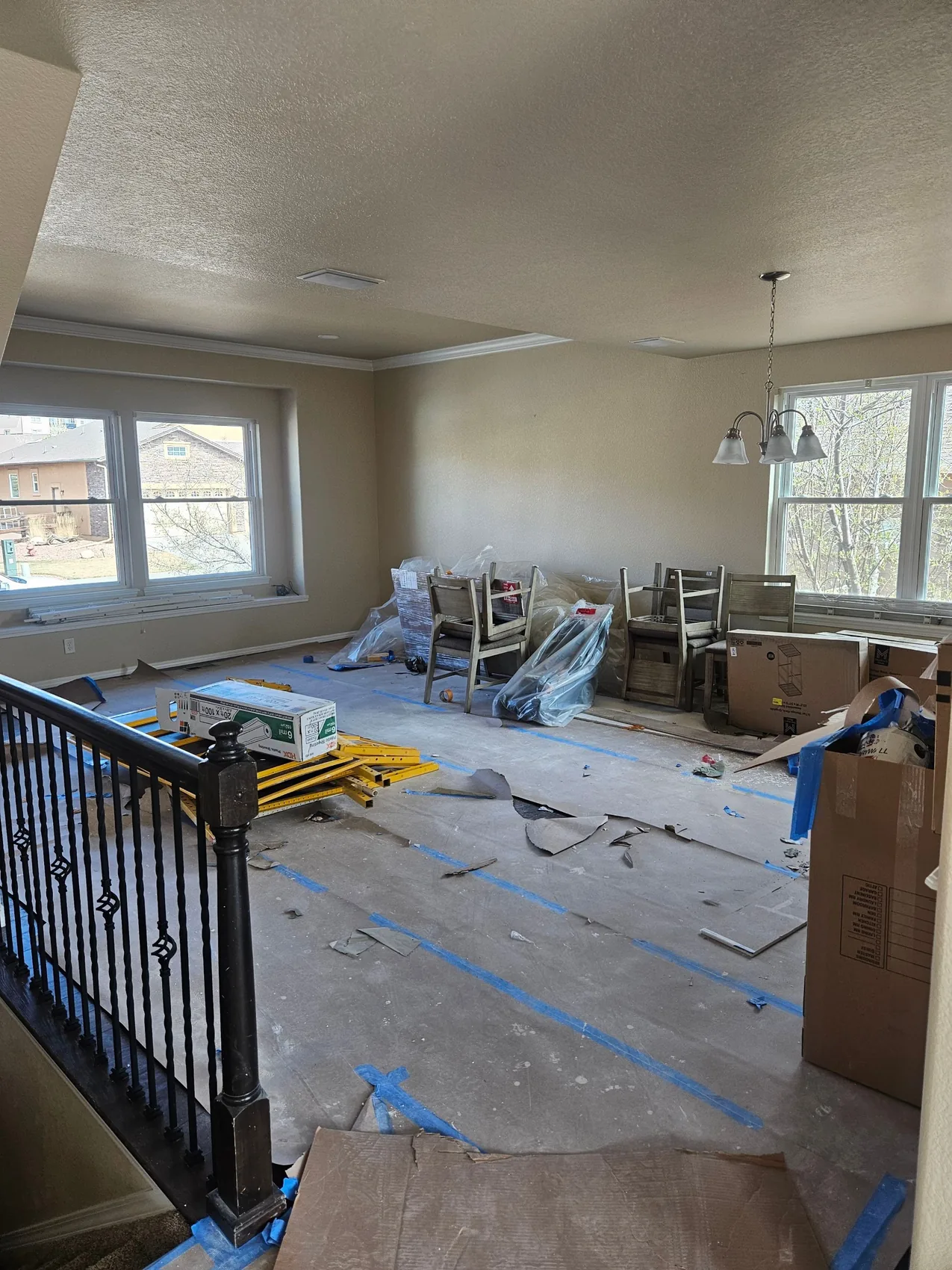
Room masked and prepped for sealing and repainting after smoke damage in Colorado
06

We put back what we took out

When something has to be rebuilt, the same company that cleaned the smoke handles the repairs, so you're not handed off to someone new at the end.
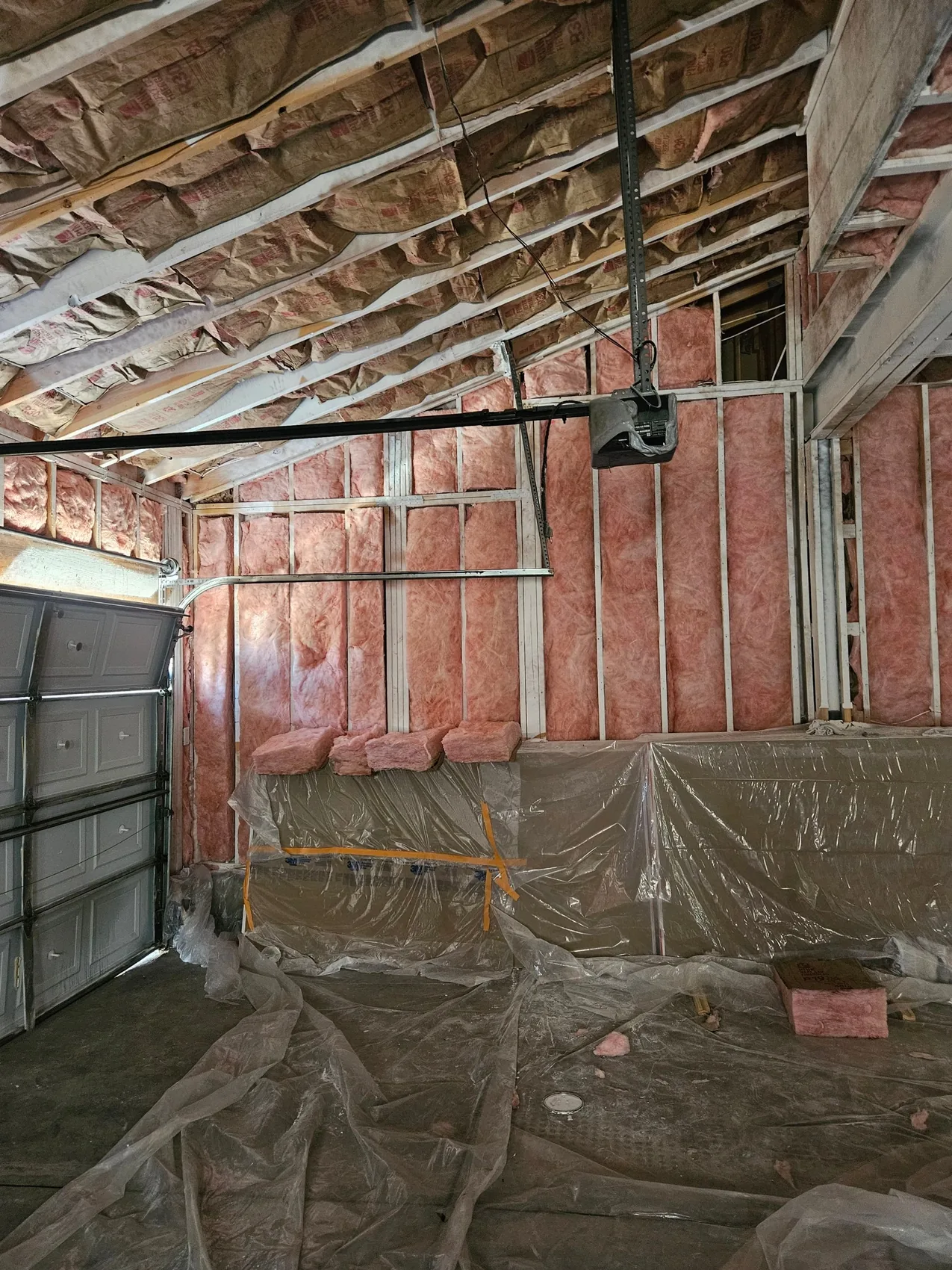
Walls rebuilt with new insulation after smoke-damaged materials were removed in Colorado
If there was an actual structural fire, that’s the deeper recovery we walk through on our fire damage restoration page, all under one roof.

Behind the Drywall

If the wall was opened, the smell is probably in the cavity

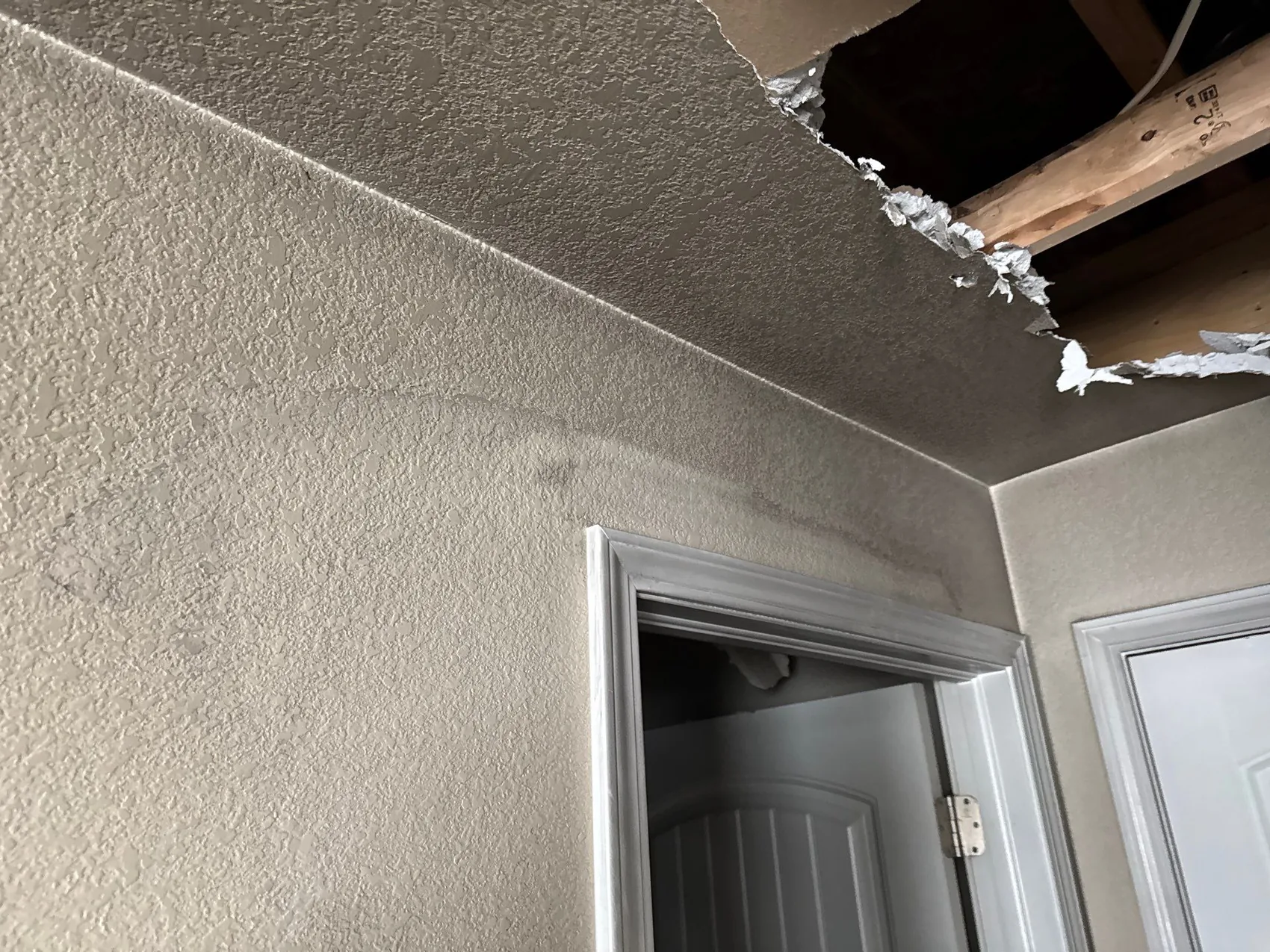
If the fire was big enough, or the fire department had to open up drywall to chase it, the smoke didn't stop at the surface. It traveled into the wall cavities, and the smell won't leave until those are cleaned too.

It's one of the more common reasons a house still smells like smoke after the visible cleanup is done, the surfaces are clean but the inside of the wall isn't. When we scope a smoke job, that's one of the first things we check, because missing it means the smell keeps coming back.

Soot-stained wall and ceiling opened where the fire department cut in, exposing the cavity

Is smoke damage covered by insurance?

Smoke and soot damage from a sudden fire, even a small one, is generally treated as part of a fire loss, and fire is one of the things a standard homeowners policy is built to cover. Every policy is different and we're not your carrier, so we won't tell you it's covered before we understand the situation, but smoke from a kitchen fire or an appliance fire is usually a covered loss.

The safest move is to call us before you file anything. We've spent years documenting these losses for adjusters, and we can help you read what you're dealing with and work in step with your carrier so everyone stays on the same page.

Start to Finish

The company that cleans the smoke can rebuild what's gone

The point where most restoration projects fall apart is the handoff: one company cleans, then leaves you to find someone else to repair the part that has to be replaced.

Forefront does both. The people who tested, contained, and cleaned the smoke are the same company that handles the repairs, so the work is understood by one set of hands from the first day to the finished room.

For you, that's one number to call and one company accountable for how it ends.

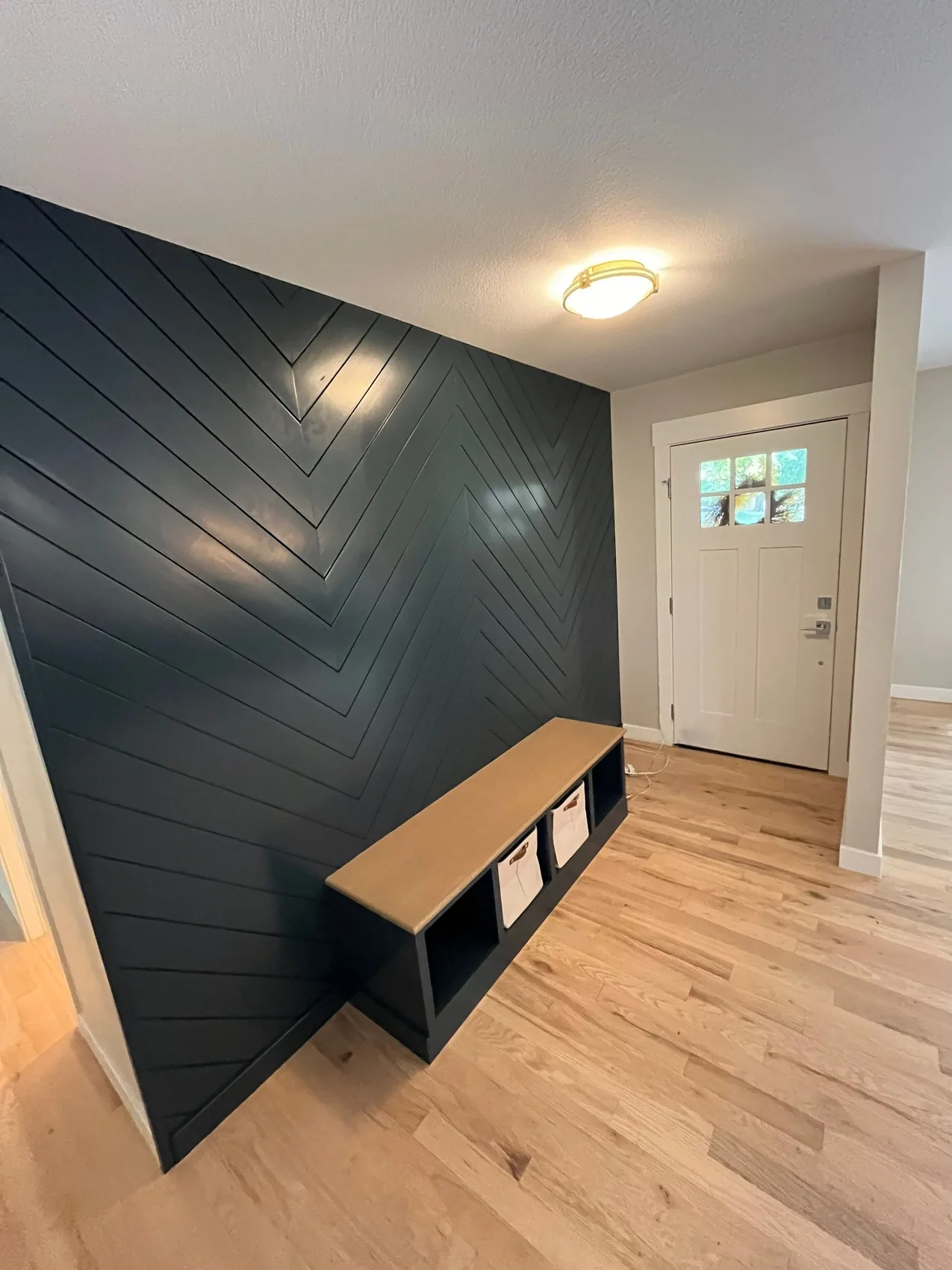
Finished entryway rebuild with a wood accent wall and new flooring by the team that cleaned the smoke

Common Questions About Smoke Damage Cleanup

Because the smell lives in more than the surfaces. Smoke soaks into materials and travels into places a surface cleaning never reaches, like the HVAC system and, when drywall has been opened, the wall cavities. Until those are cleaned and the odor is treated at the source, it tends to come back once any deodorizer wears off.
Some of it. Ventilating the house, changing the HVAC filter, and wiping non-greasy soot off hard surfaces are all reasonable. The hard part is the greasy residue that smears, the soot you can’t see, and the smell in the materials and the cavities, which is where the right method and equipment matter.
It’s worth being careful with. Soot is fine enough to inhale and settle into things, so while it’s in the house we recommend keeping air moving, limiting time in the heavily affected areas, and giving anyone with breathing concerns extra distance until it’s cleaned.
By treating the source, not the air. We clean the materials that absorbed the smoke, address the HVAC that carried it, and clean the cavities if the smoke got into the walls. Masking it with a deodorizer is temporary; removing it from what’s holding it is what makes it stay gone.
Often the small fires are the ones that catch you off guard, because the soot and smell travel so much farther than the burn. A free assessment is the low-cost way to find out how far it actually went before you decide what it needs.
Usually, when it came from a sudden fire, since fire is a covered peril on most standard policies. Every policy is different, so the safest move is to call us before you file and we can help you read what you’re dealing with first.
Yes. The same company that cleans the smoke can repair and rebuild what has to be replaced, so you’re not handing off to a separate contractor who wasn’t there for the cleanup.

Smoke and soot cleanup across the Front Range

We clean up smoke and soot across Colorado’s Front Range, with offices in Centennial and Colorado Springs serving the Denver metro, the Springs, Northern Colorado, and the communities in between. Smoke doesn’t keep business hours, and neither do we. See all of our service areas.
DenverCentennialColorado SpringsParkerCastle RockHighlands RanchLittletonAuroraLone TreeEnglewoodLakewoodLongmontGreeleyFort Collins

Let's get the smoke out

This isn’t how you planned for the day to go, and the smell is a hard reminder of it. It’s also something we walk people through all the time. Call and we can start figuring out how far it went and what it takes to get your home back to itself.
You'll talk to a real personA live dispatcher around the clock, not a phone tree or a form.
The odor out at the sourceWe treat the materials that hold the smell, not just the air.
One company, start to finishFrom testing and cleanup through the repairs, under one roof.