Restoration & Reconstruction

Reconstruction After Fire and Water Damage

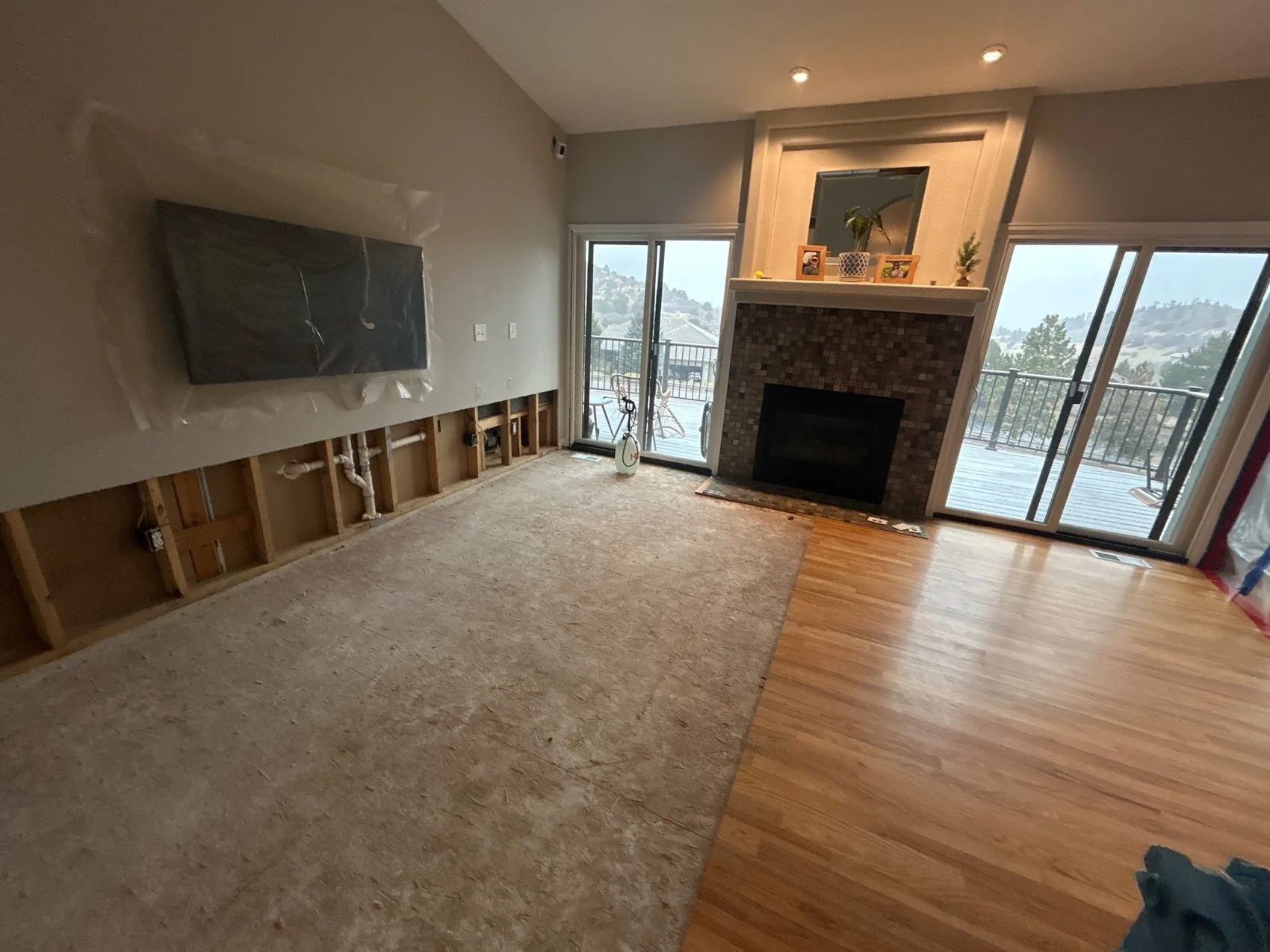
The emergency is over. The house is dried out or boarded up, and now you’re trying to figure out what happens next. Reconstruction is the part where it gets put back together. We handle it as the same company that managed the cleanup, so you’re not out finding a new contractor, collecting bids, and explaining your loss from scratch to someone who wasn’t there.

After the Cleanup

Where You Are Right Now

Right now might be the strangest stretch of the whole thing. The water’s been pulled out or the fire’s been put out and boarded up. The emergency crew came, did their work, and left. And then, nothing. You’re waiting on an adjuster, sleeping somewhere that isn’t home, and trying to figure out who actually rebuilds the parts that are gone.
It’s an in-between that’s hard to plan for. You’re between the emergency and the rebuild, with an insurance claim to settle and, often, a contractor to choose for the first time, for a job you never wanted, while you’re displaced and worn out.
Forefront Building + Restoration handles both the cleanup and the rebuild, after water, fire, or mold damage. The same company that documented the loss carries it through the reconstruction, so the people rebuilding your home already understand what happened to it.
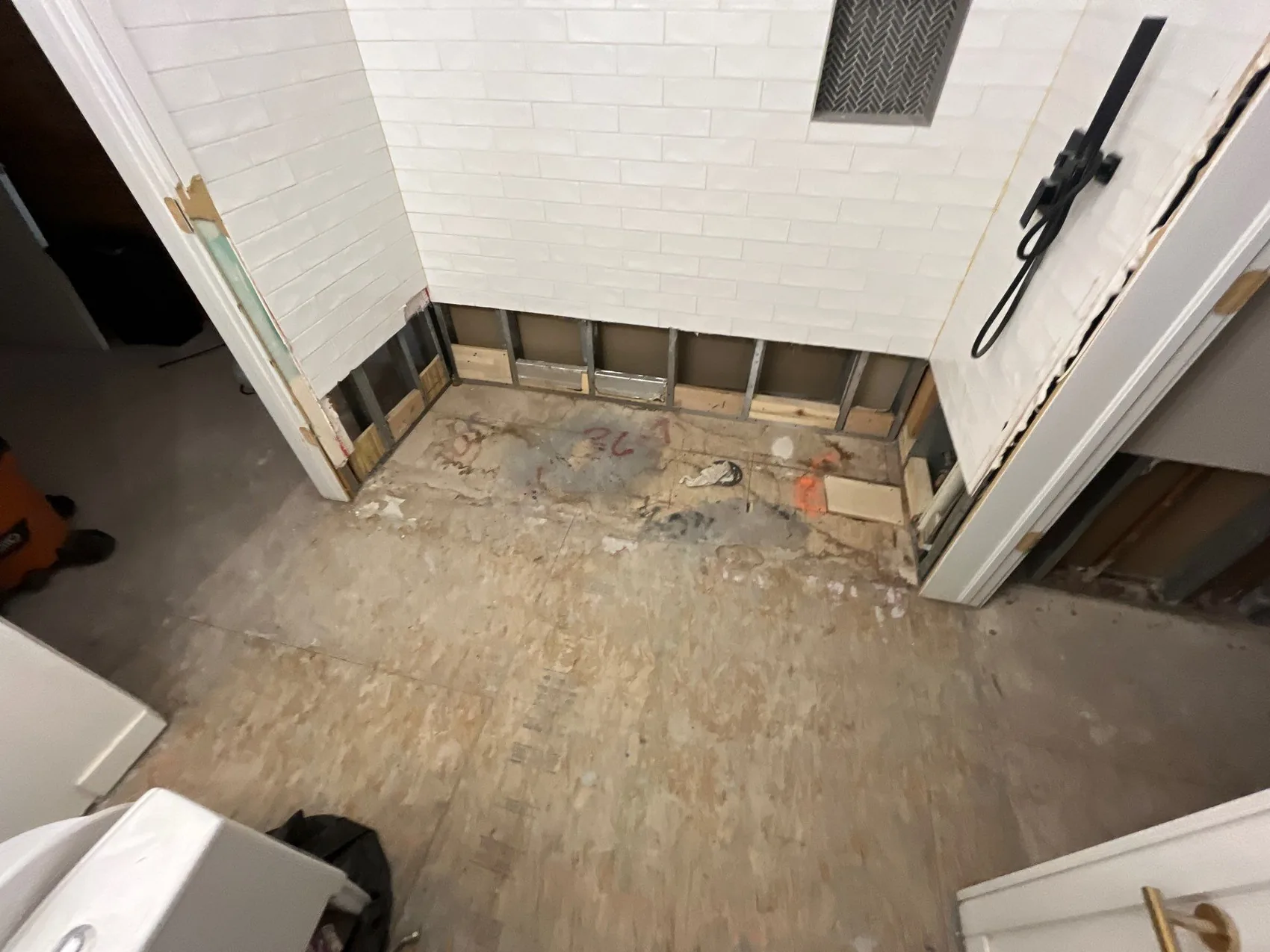
Home interior stripped to the structure after mitigation, before reconstruction

The Rebuild Phase

What Reconstruction Actually Involves

Reconstruction is the rebuild phase, everything from the framing back out to the paint. Depending on the loss, that can be a single room or the entire house: drywall, flooring, cabinets, trim, fixtures, the pieces that made it feel like yours. It can include any of the trades a full rebuild needs:
  • Framing and structure where the damage went past the surface
  • Drywall, insulation, and paint to close everything back up
  • Flooring to match or replace what was lost
  • Cabinets, countertops, and fixtures in kitchens and baths
  • Trim, doors, and the finish work that makes a house look whole again
This isn’t a project you went looking for. Your home was damaged and you want it back, and we treat it that way. And while the house is already opened up and going back together, some homeowners take the chance to change something while they can: a finish they always wanted, a small layout change, the thing they’d been meaning to get to. That’s fine by us. We can fold it into the rebuild and keep it simple.
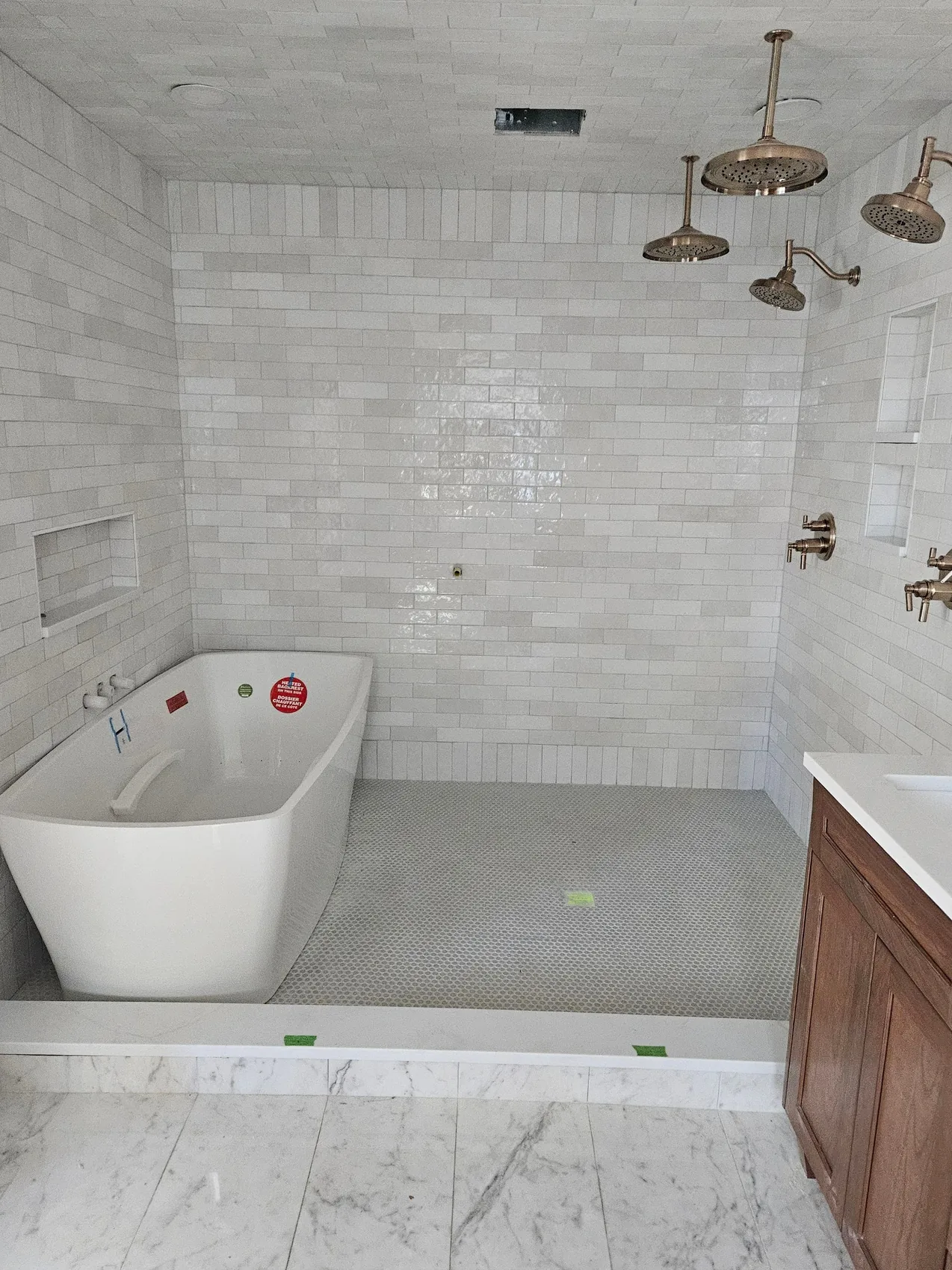
Finished bathroom with a freestanding tub and tiled shower after reconstruction

One company. No handoff.

Why It Matters

We Know Your Home, and We Know Your Claim

The hard part of a rebuild usually isn’t the construction. It’s the coordinating: finding a contractor, getting bids, re-explaining your loss, and hoping whoever you hire knows how to work with your insurance. When the company that cleaned up your home also rebuilds it, that part is already handled.

Because we documented the loss from the first day, the people rebuilding your home aren't starting from a stranger's guess. They're starting from what we already know.

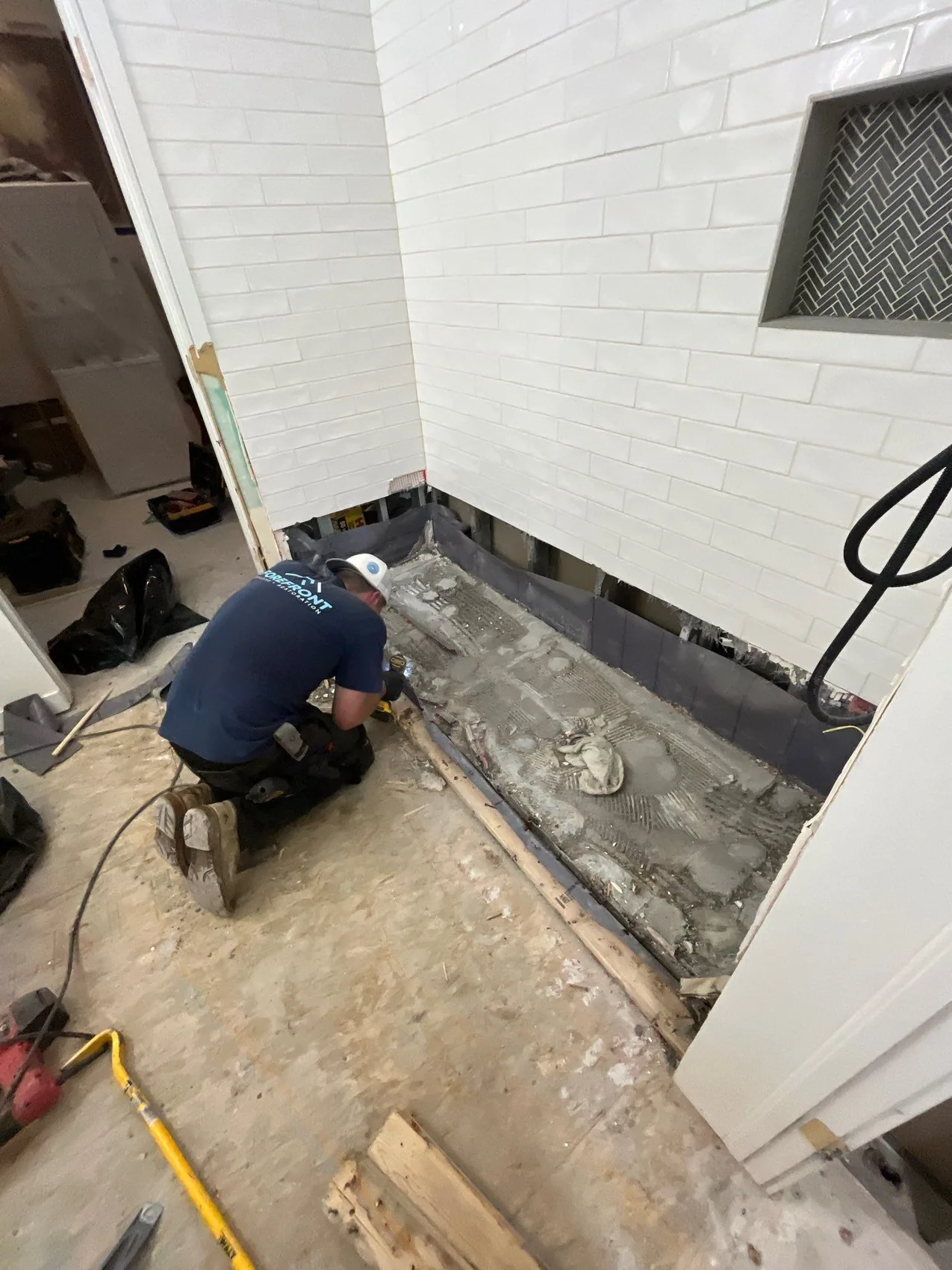
Interior opened to the framing and insulation during reconstruction

The Reconstruction Process

Every loss is different, but the path back follows the same steps. Here’s what working with us looks like.
01

Assess the Full Scope

We walk the damage and document all of it, not just what shows. The goal is one complete scope before the work starts, so the plan is built on the full picture instead of pieced together as we go.
Walking and documenting the damage to build the full reconstruction scope
02

Settle the Insurance Scope

We line our scope up against your adjuster's and work in step with them so everyone's looking at the same number. Where the original estimate missed something, we file the supplement. We'd rather agree on the scope before the work starts than fight about it after.
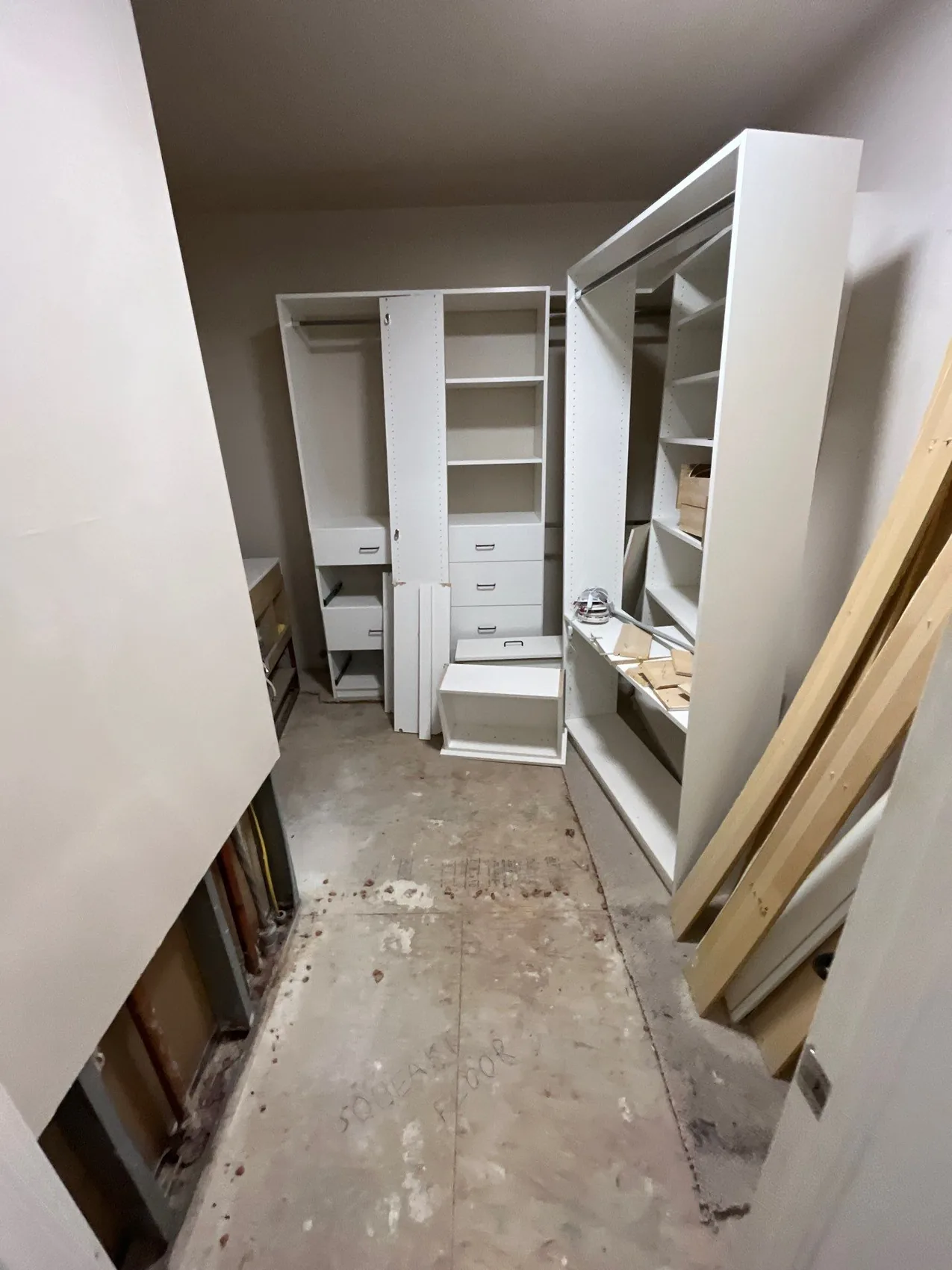
A stripped interior as the reconstruction and insurance scope is settled
03

Selections and Materials

This is where the decisions are yours: finishes, fixtures, the materials that go back in. It's also where our experience helps most. We walk you through the options, tell you what each choice affects, and order everything once it's settled.
New staircase and finish selections going in during reconstruction
04

The Rebuild

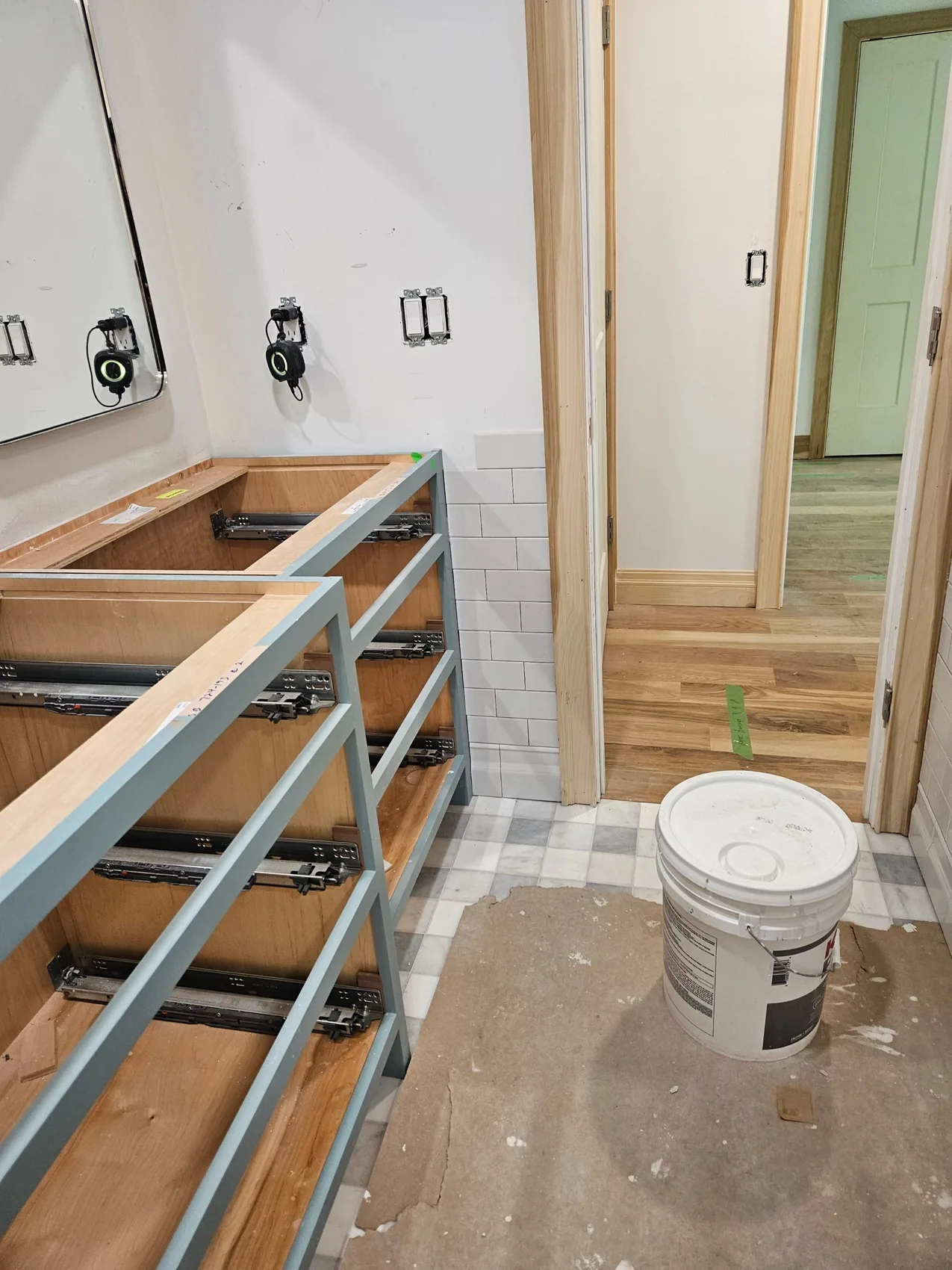
Framing through finishes. Our reconstruction crews work Monday through Friday, and may come and go through the day depending on the trade that's up. If you can't be home, we can set up a temporary door code or lockbox so the crews have access.
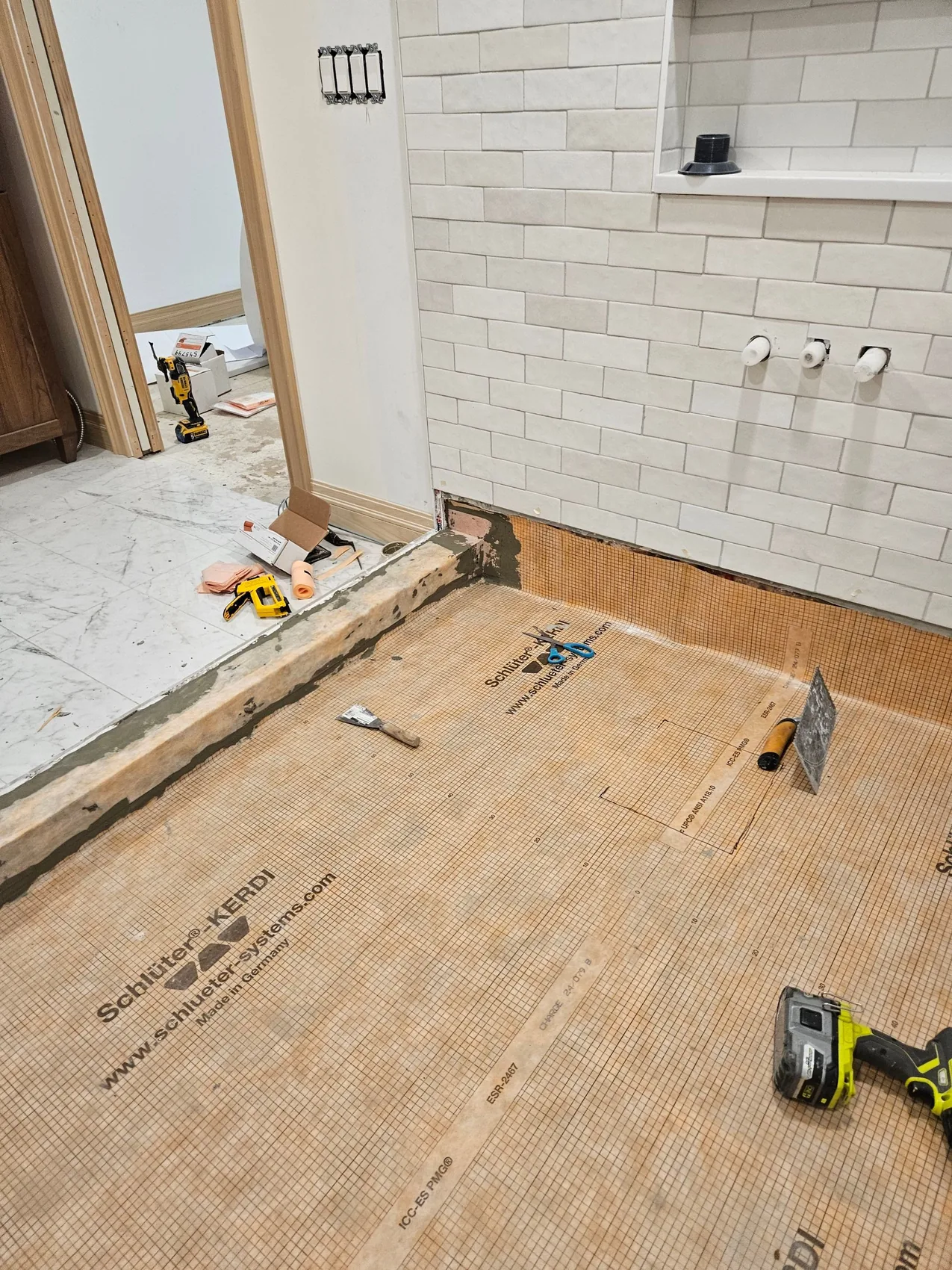
New tile and finishes going in during the rebuild
05

Walk-Through and Punch List

You walk the finished space with us and we make a list of anything that isn't right. Then we fix it. The finish details get the same attention as the framing did.
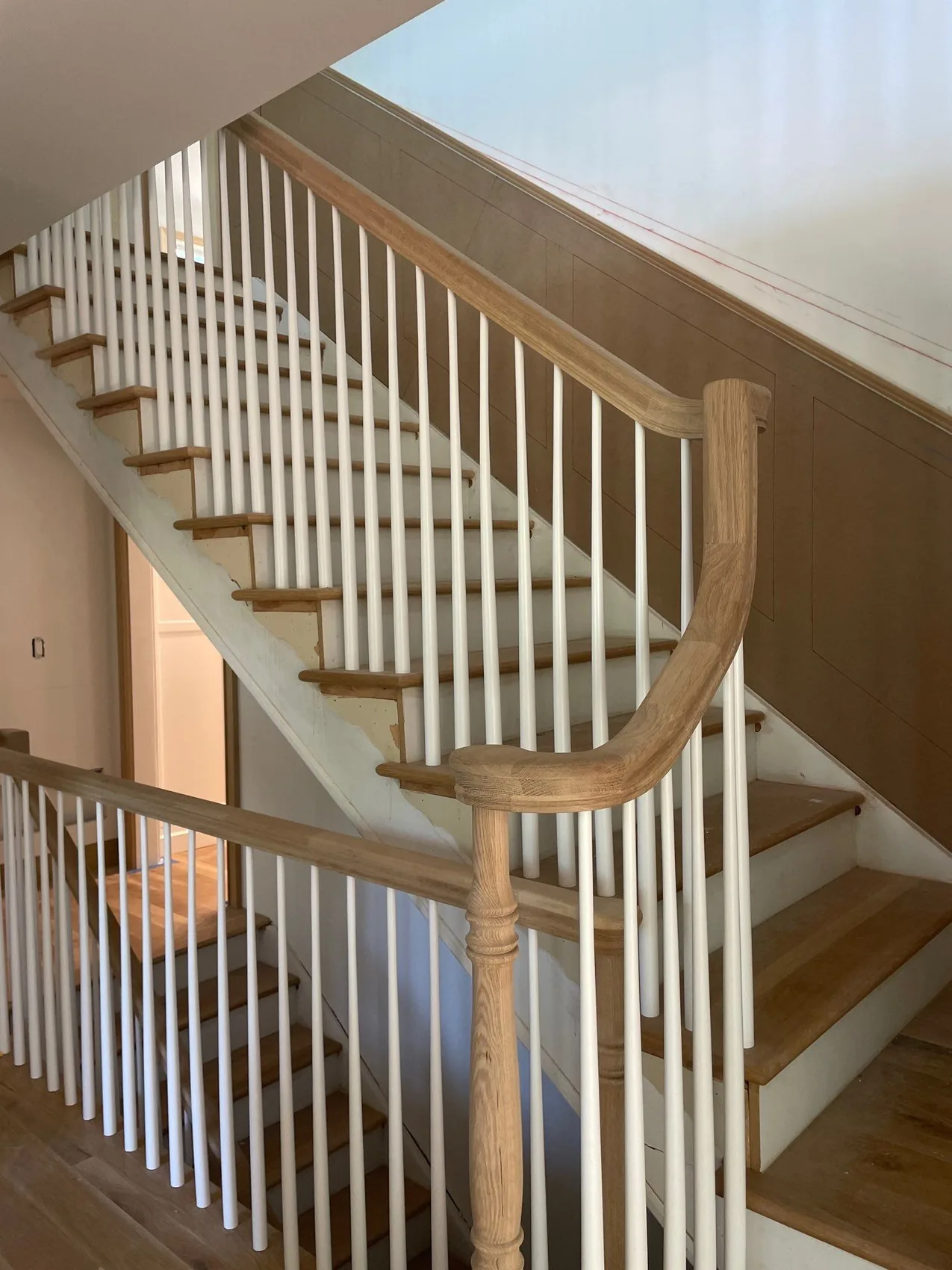
Finished staircase during the final walk-through of a reconstruction
06

Final Sign-Off

Final inspections, the insurance closeout, and the documentation that releases the rest of your claim. Then you're home.
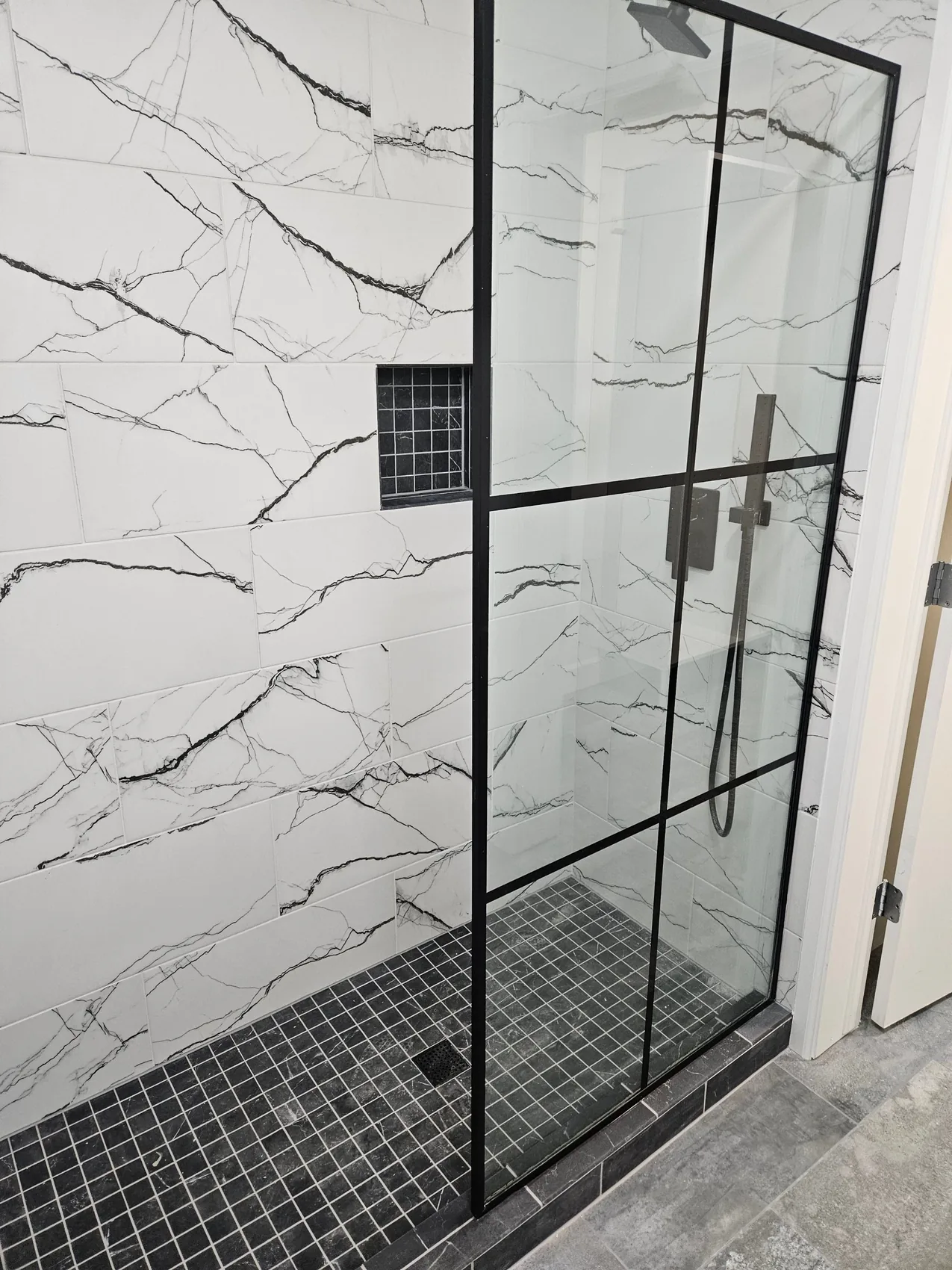
Finished, fully restored tiled shower after reconstruction
Two kinds of expertise: the rebuild and the claim, working together. More on water and fire restoration.

What We Bring

We've Done This Before, Even If You Haven't

A rebuild after a loss comes with dozens of decisions you’ve never had to make: materials, scope, sequence, and a claim that has its own rules. You don’t have to become an expert in any of it. That’s our part.
We’ve done this many times. We can tell you what each decision affects, what your options are, and what we’d suggest, so the choices feel manageable instead of overwhelming. On the rebuild side, that’s knowing the trades and the materials and how to put a home back the way it was. On the insurance side, it’s knowing how a claim gets scoped, documented, and paid, and working that part with your adjuster directly.
Two kinds of expertise, the construction and the claim, working together. That’s what one company is actually for.
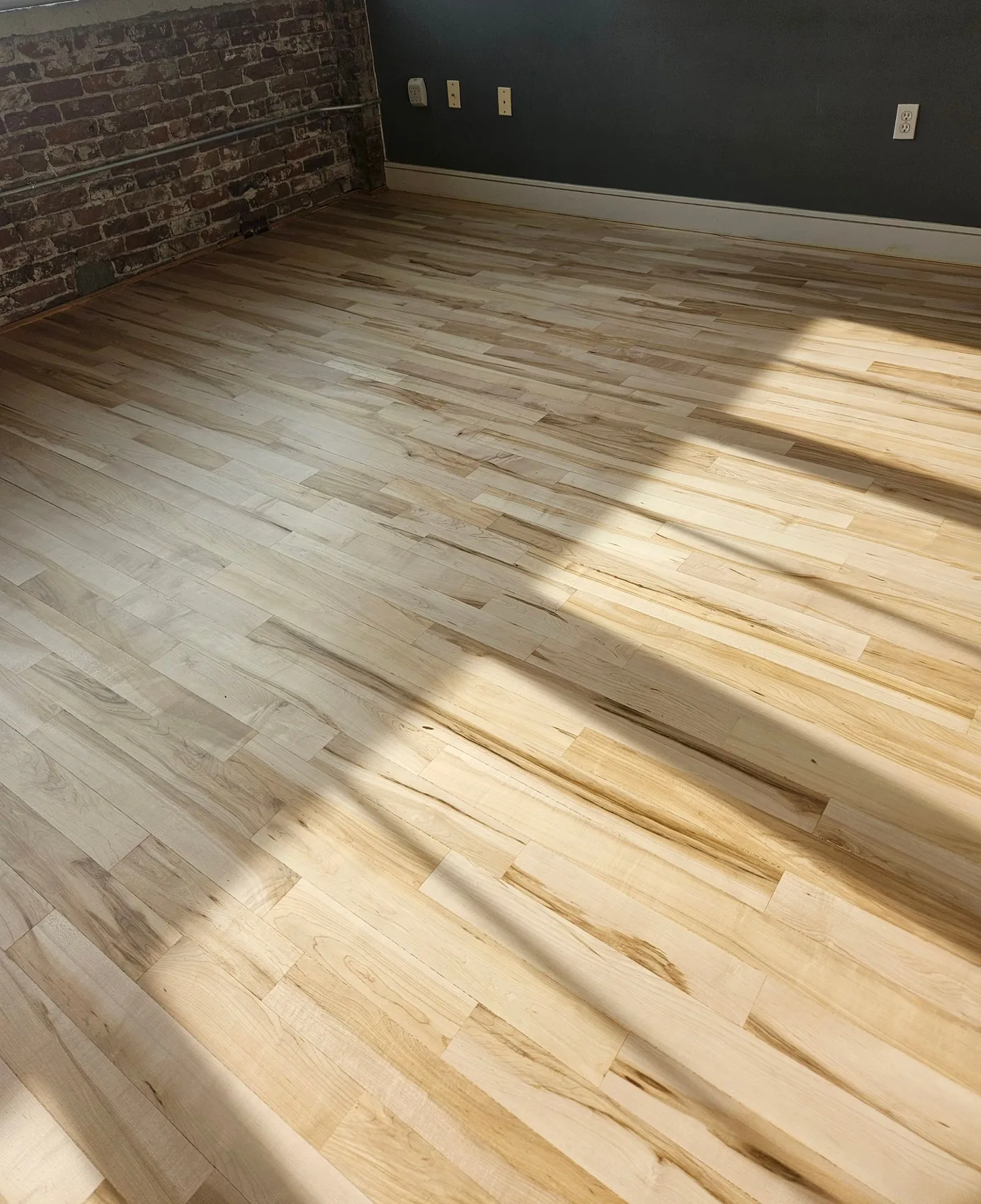
Refinished hardwood floors against exposed brick in a restored home

Insurance

Handling the Claim Side of the Rebuild

Most people are surprised by how the money actually works after a loss. We handle the claim side of the rebuild so you don’t have to become an expert in it.

Why your first insurance check isn't the whole thing

Insurance usually pays the depreciated value first, roughly what the materials are worth today, and holds the rest back until the work is actually done and documented. Recovering that held-back amount is on you and your contractor, not the carrier.

We handle the documentation and the supplements

We document the work as it's completed, submit for the held-back depreciation, and file supplements when the rebuild turns up something the original scope didn't account for. We work in step with your adjuster the whole way, so we're not getting ahead of them and everyone stays on the same page.

The choice of contractor is yours

If you've been displaced, your policy likely includes loss-of-use coverage for a hotel or rental while the work is done, one more piece we help you keep track of. And whatever your carrier suggested, the choice of who rebuilds your home is yours. You're not required to use an insurance preferred vendor.

The Difference

The Same Team, Start to Finish

Because one company carries your project from the first day of cleanup through the last day of the rebuild, nothing gets lost in a handoff. The people rebuilding your home have the documentation, the photos, and the scope from day one. And seeing the whole loss at once lets us work the claim strategically, so coverage isn’t spent in the wrong place early and you don’t end up over the number without meaning to.
And if another company handled your mitigation and you’re left without anyone for the rebuild, we can step in, document a complete scope, and carry it through from there.
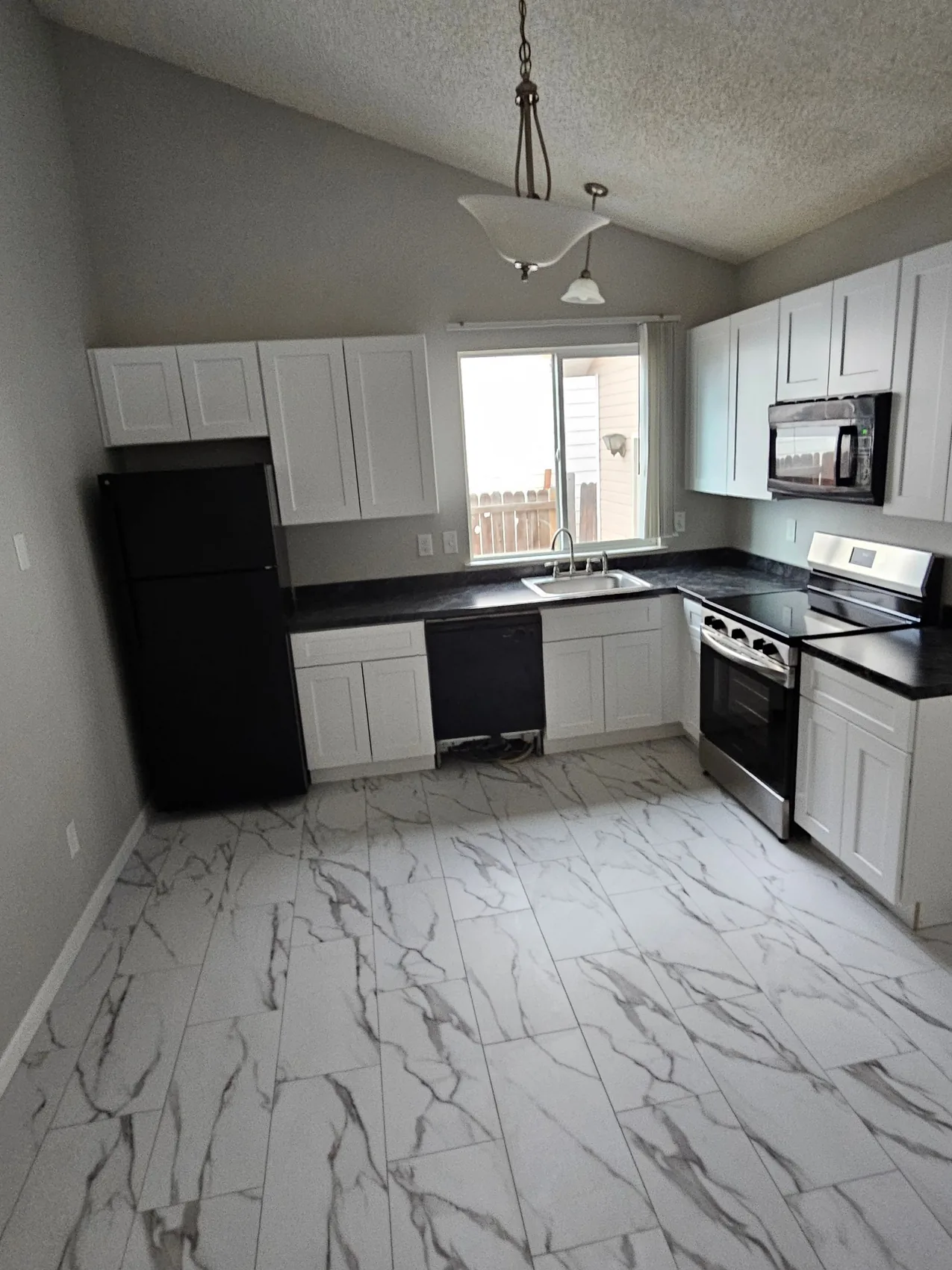
Finished kitchen after a complete reconstruction

Common Questions About Reconstruction

It depends on the situation. Every loss is different in size and scope, so rather than quote a number that may not fit yours, we give you a timeline specific to your project once we’ve scoped it, and keep you in the loop along the way.
Most policies pay the depreciated value first, what the damaged materials are worth today, and hold the rest back until the work is finished and documented. That held-back amount is recoverable once the rebuild is done. We handle the documentation and submit for it so you’re not leaving it on the table.
No. The choice of who rebuilds your home is yours. A carrier may suggest a preferred vendor, but you’re not required to use them.
Yes. If another company handled the cleanup and you need someone for the rebuild, we can step in, document a complete scope, and take it from there.
One, if you want it that way. Forefront handles both the cleanup and the reconstruction, so you’re not coordinating a handoff, collecting new bids, or re-explaining your loss to a contractor who wasn’t there. If you’d rather bring in someone else for the rebuild, that’s fine too. It’s your choice.
Sometimes opening a wall reveals something the original scope didn’t catch. When that happens, we document it and file a supplement with your insurance, and you’ll know about it when we do.

Reconstruction Across Colorado's Front Range

We rebuild homes across the Front Range after water, fire, and mold damage, working from our offices in Centennial and Colorado Springs.
DenverCentennialColorado SpringsParkerCastle RockHighlands RanchLittletonAuroraLone TreeEnglewoodLakewoodLongmontMonumentFountain

Not Sure What Comes Next? That's Normal.

This isn’t something you planned for, and the path back isn’t always obvious from where you’re standing. A Free Damage Assessment is a no-cost way to get a clear sense of what the rebuild involves, what your insurance is likely to cover, and what the next step is. No pressure, no obligation.
You'll talk to a real personA live dispatcher, not a phone tree or a form.
A written scope before any work beginsYou'll know what we'd do, and what it covers, before you commit.
No pressure, everWe give you the time to decide. The choice is always yours.