Sewage & Backup Emergency

Sewage Cleanup in Colorado

A sewage backup is contaminated water, so it gets handled differently than a clean spill. We can contain it, clean and disinfect it, dry it, and put the room back, day or night.

The overflow no one wants to deal with

When a sewer line backs up or a toilet overflows, it can get out of hand quickly. On top of the mess, there’s the contamination, and what that means for the health of the people in the building. That’s what we’re here for. We answer the phone 24/7 across the Front Range.
Most of the time it starts quietly. You head down the basement stairs and something smells off before you see anything, then you find the water around the floor drain near the HVAC room, or the toilet that backed up and kept going. And the thought lands somewhere around “this looks like more than I want to deal with myself,” or “I want to make sure this gets cleaned up right.”
That’s a fair read. Forefront Building + Restoration has handled sewage backups in Front Range homes for over 20 years. Contaminated water gets handled differently than clean water, and the reason we gear up to work in it is the same reason it’s worth a professional read before you wade in.

Why It Backs Up

Sewage backups can happen on any level

A sewage backup usually isn't water that spilled. It's water that came back up the way it was supposed to go down. The ones we get called for most:

  • A main line backup. When the sewer line leaving your house gets blocked, by roots, grease, a collapse, or the city main, the wastewater has nowhere to go but back up. It pushes out through the nearest open drain, often a basement floor drain or one near the HVAC room, but wherever it surfaces it brings contamination with it.
  • A toilet overflow. A clog or a backed-up line can send a toilet over on any floor, and the water spreads fast across the room, then works its way down to whatever's below.
  • A failed drain pipe in the wall. A kitchen sink line or a drain stack running inside the wall can let go and put contaminated water behind the drywall, where it soaks the wall and the floor before you see much of it.
  • A sewer line break in the crawlspace. We get a lot of these. A cracked or broken sewer line under the house empties into the crawlspace and sits against the framing and the subfloor, often until someone catches the smell.

Different starting points, same problem: contaminated water spreading into whatever it touches, on whatever level it starts.

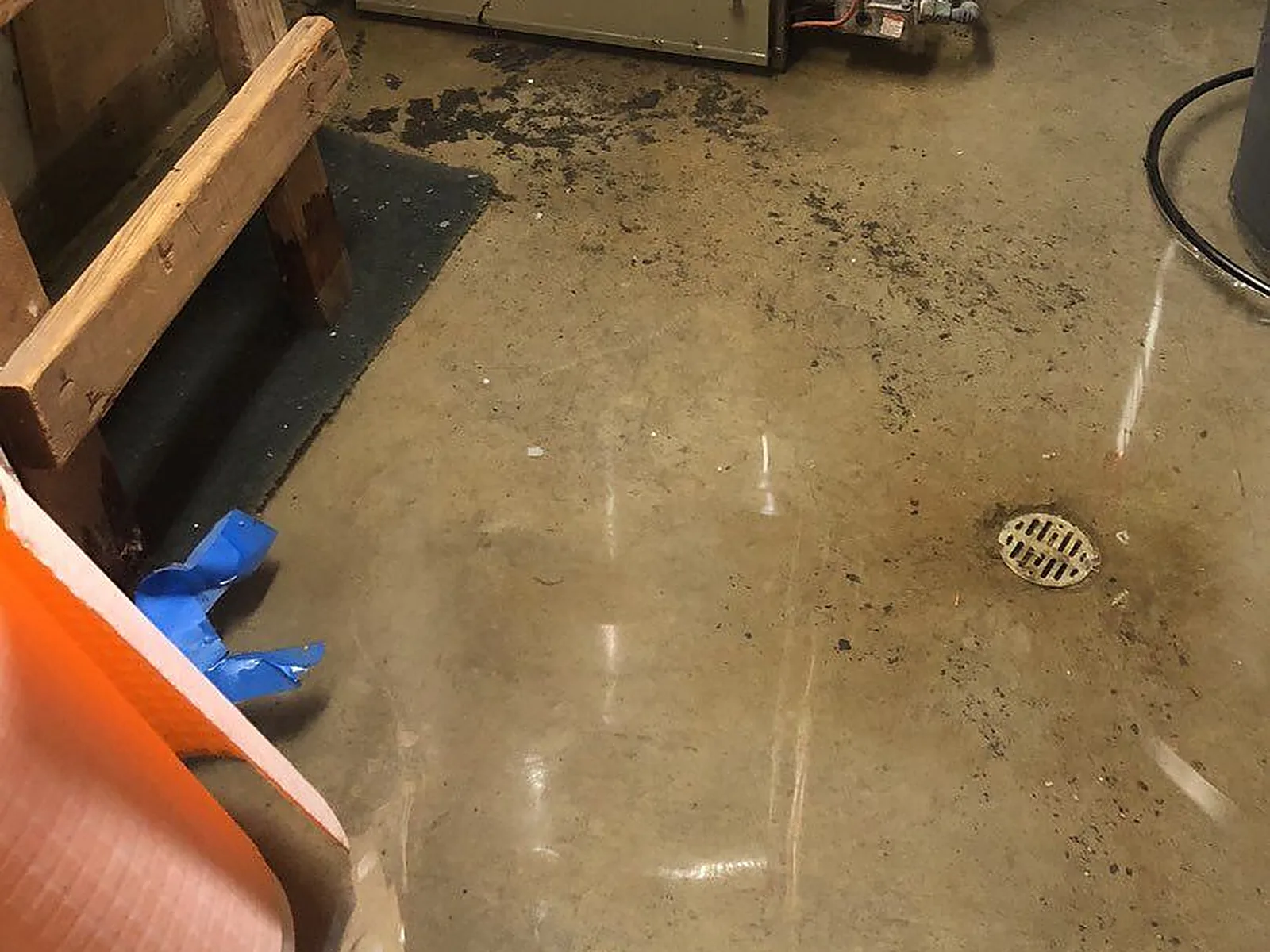
A basement utility-room floor drain where sewage can back up on the lowest level of a home

A Different Kind of Water

Why sewage isn't always a mop-and-dry job

A clean water loss, like a burst supply line, is mostly about drying. A sewage backup often isn't. The water carries bacteria and other contaminants, so the porous materials it soaked into, carpet, pad, and drywall that's wicked it up, usually have to be removed, or in some cases sealed off and encapsulated. The hard, non-porous surfaces can be cleaned and disinfected and stay. Either way, you don't dry your way back to clean once something has absorbed contaminated water.

That's why we don't start with fans. We start by cleaning. The area is contained so it doesn't spread to the rest of the house, the contaminated materials are handled, every hard surface gets cleaned and disinfected, and only then does the drying begin. The order matters: always clean, then dry. Drying a contaminated room first just blows the problem around.

And it usually reaches farther than the puddle. It's easy to track through it before you realize what it is, so the flooring around the affected area gets treated too, not just the spot where it pooled.

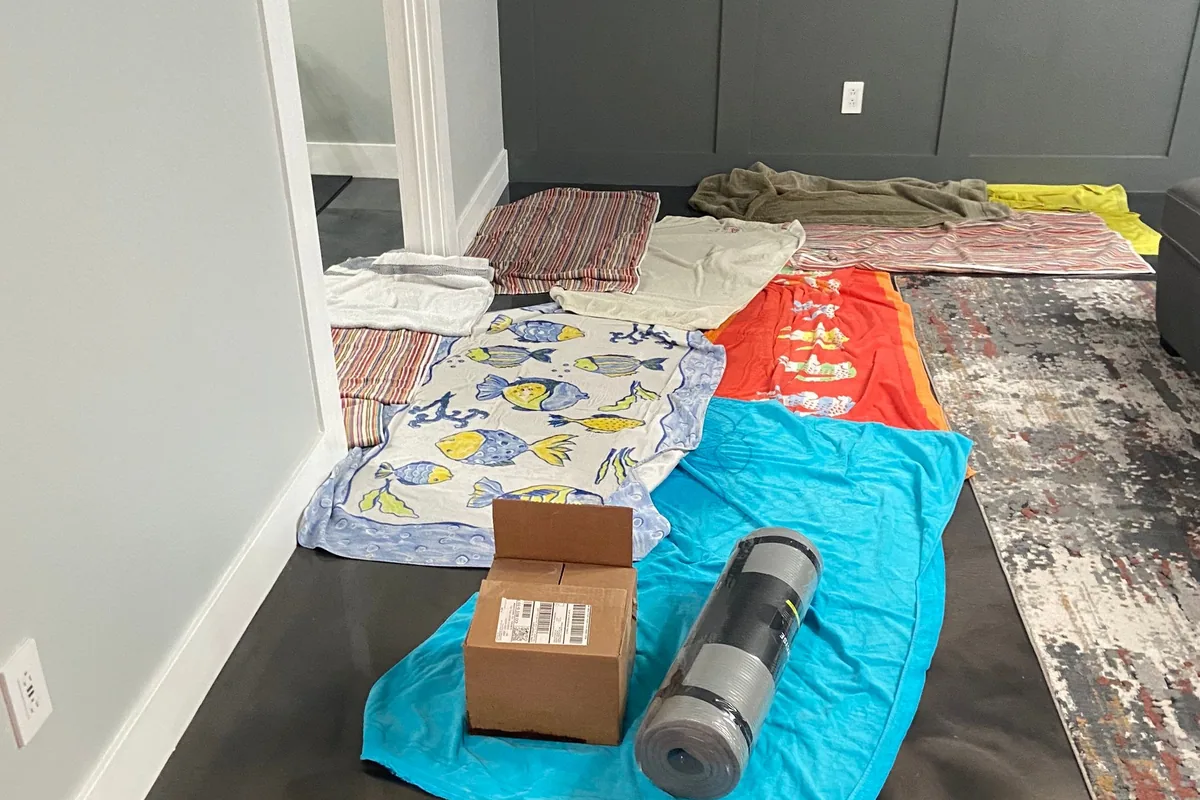
Household beach towels laid across a floor to soak up sewage water before professional cleanup

With sewage, you can't dry your way to clean.

What happens when you call

It starts the moment you call, day or night. We figure out together whether someone needs to be there now or the morning is fine, then the work goes like this.
01

We'll help you triage

Day or night. We figure out whether this is a get-someone-there-now situation and tell you what to do, and not do, in the meantime.
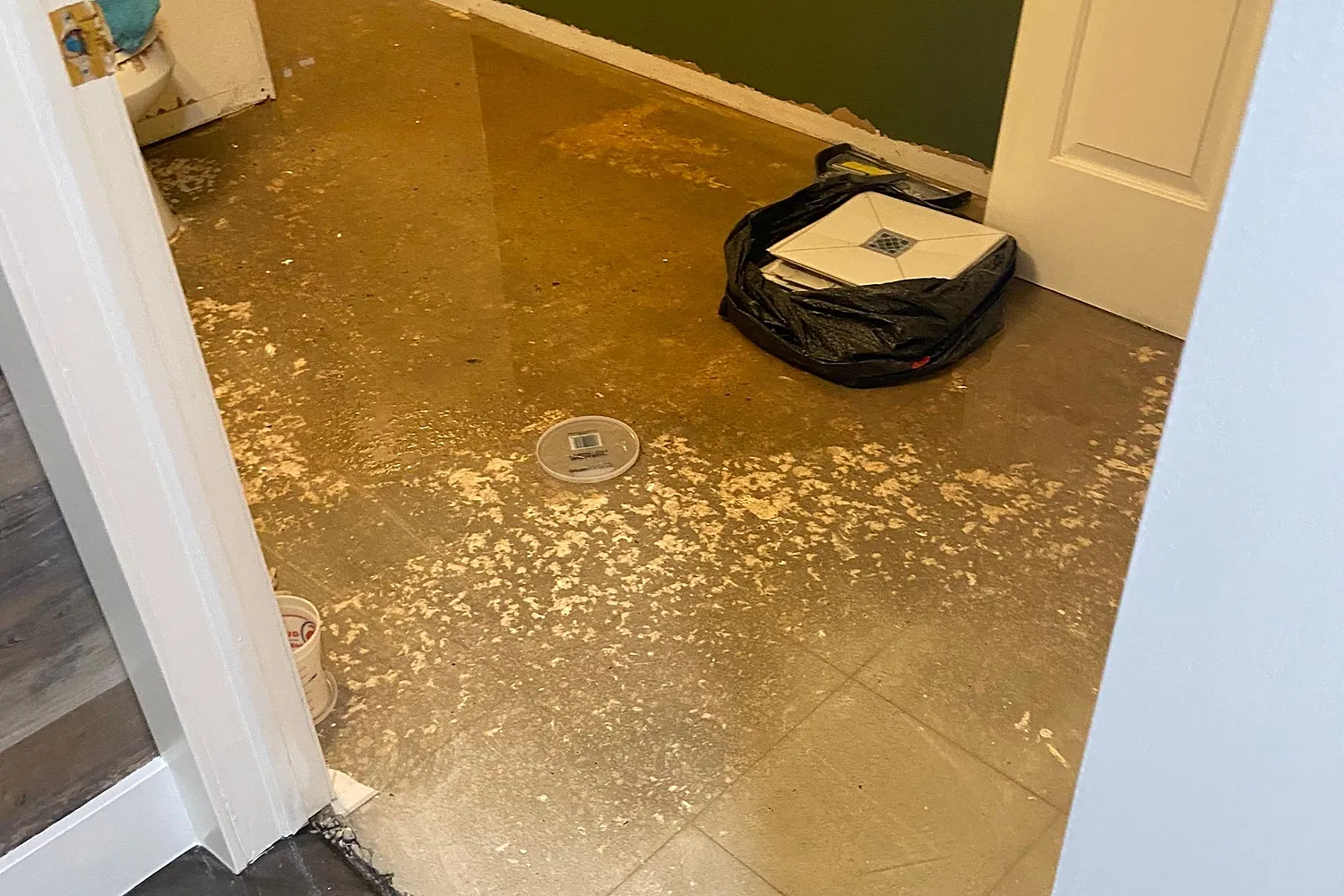
Sewage-contaminated bathroom floor with residue and a floor drain during assessment
02

We take control of the mess

Before anything else, we seal off the affected space so the contamination doesn't track or spread into the rest of the home.
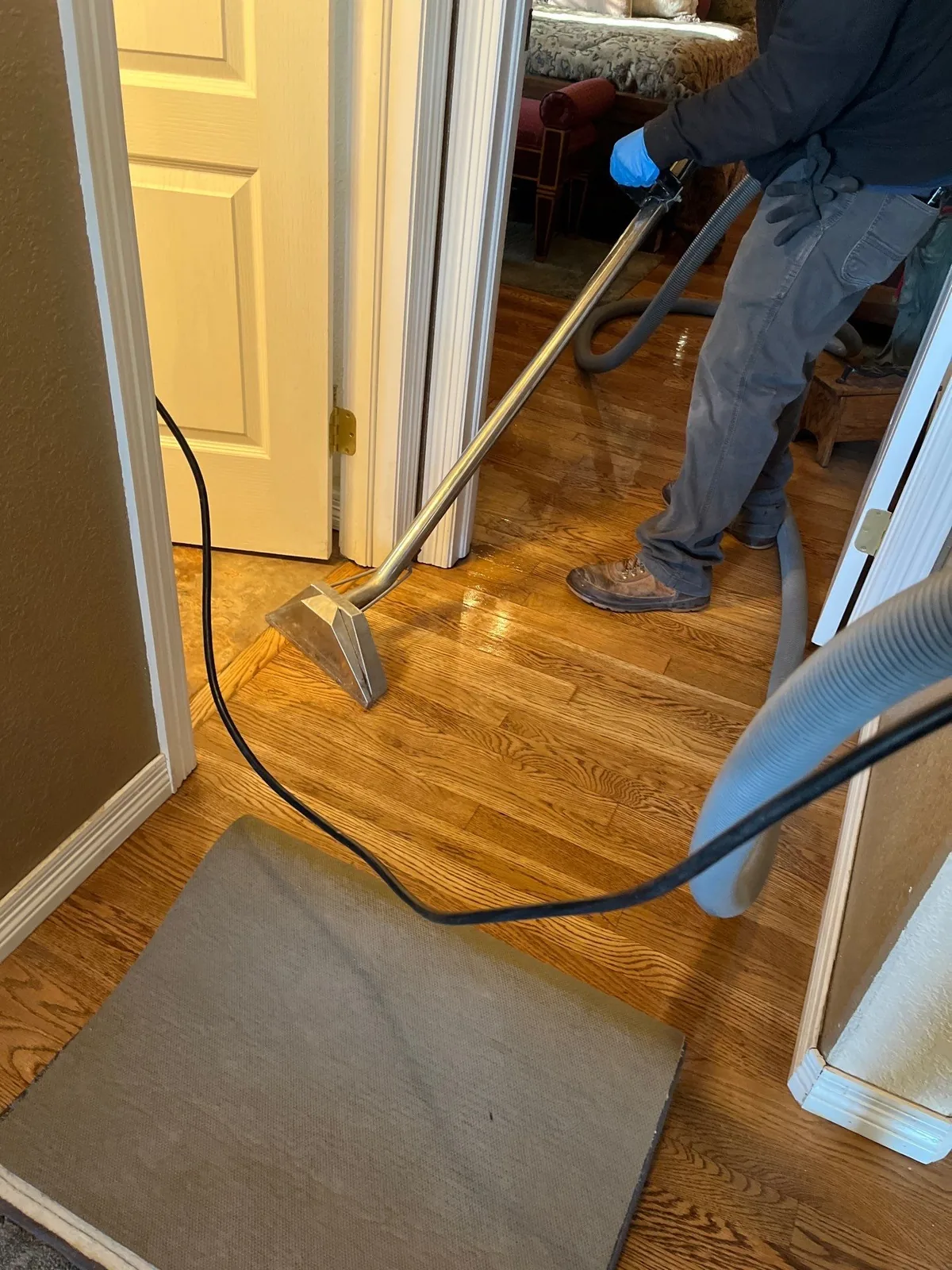
A technician extracting contaminated water from a hardwood floor with an extraction wand
03

We remove what can't be saved

The contaminated porous materials come out. We always get your approval before any demolition, and we document it for you and your carrier as we go.
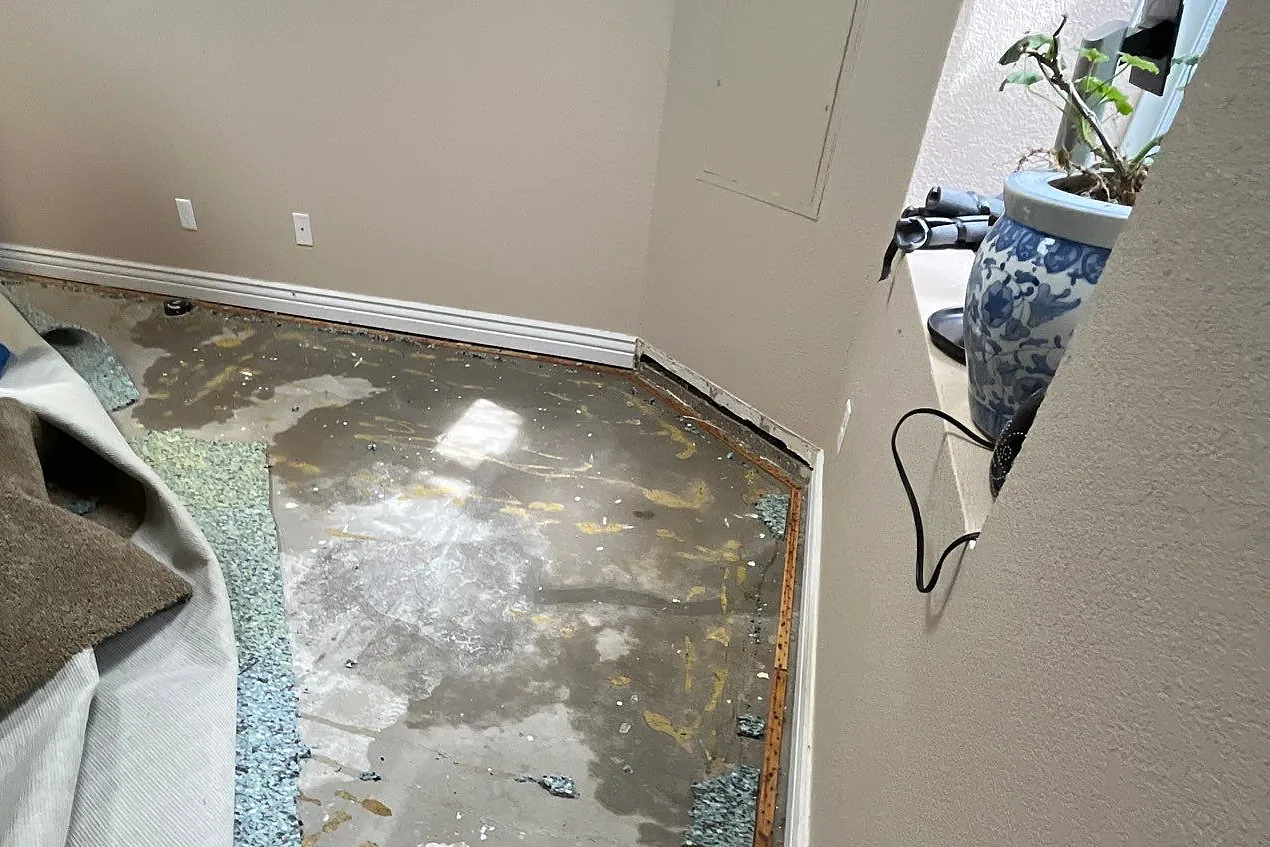
Carpet and pad removed to expose the concrete subfloor after a sewage backup
04

We clean and disinfect

Every hard surface gets cleaned and treated with antimicrobials. The products we use are effective and safe for the people who live there, which matters when it's your home.
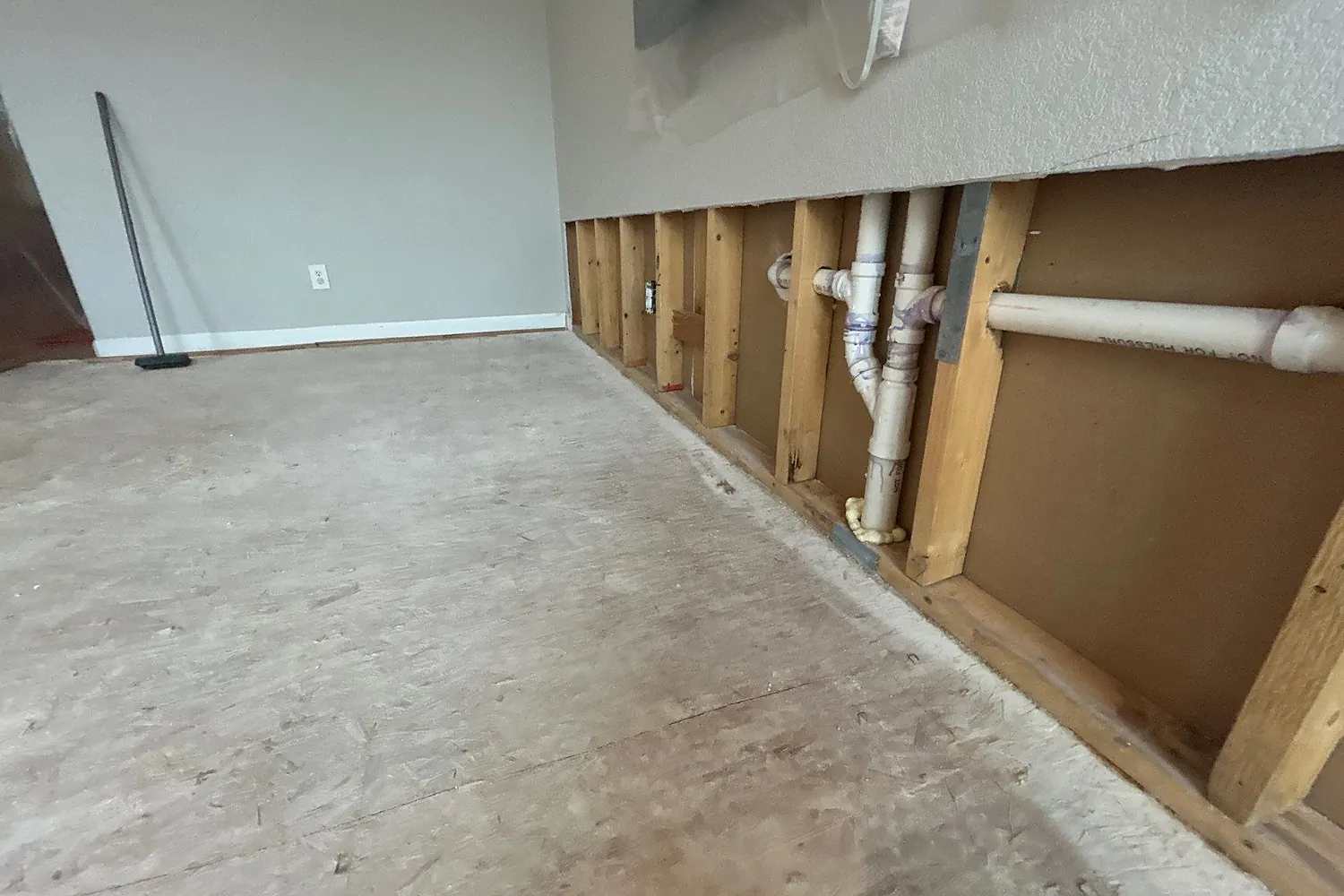
Drywall removed to exposed framing and plumbing with the area cleaned for disinfection
05

We dry the structure

Once it's clean, air movers and dehumidifiers sized to the loss bring the materials back to a measured dry standard, monitored by our IICRC-certified technicians.
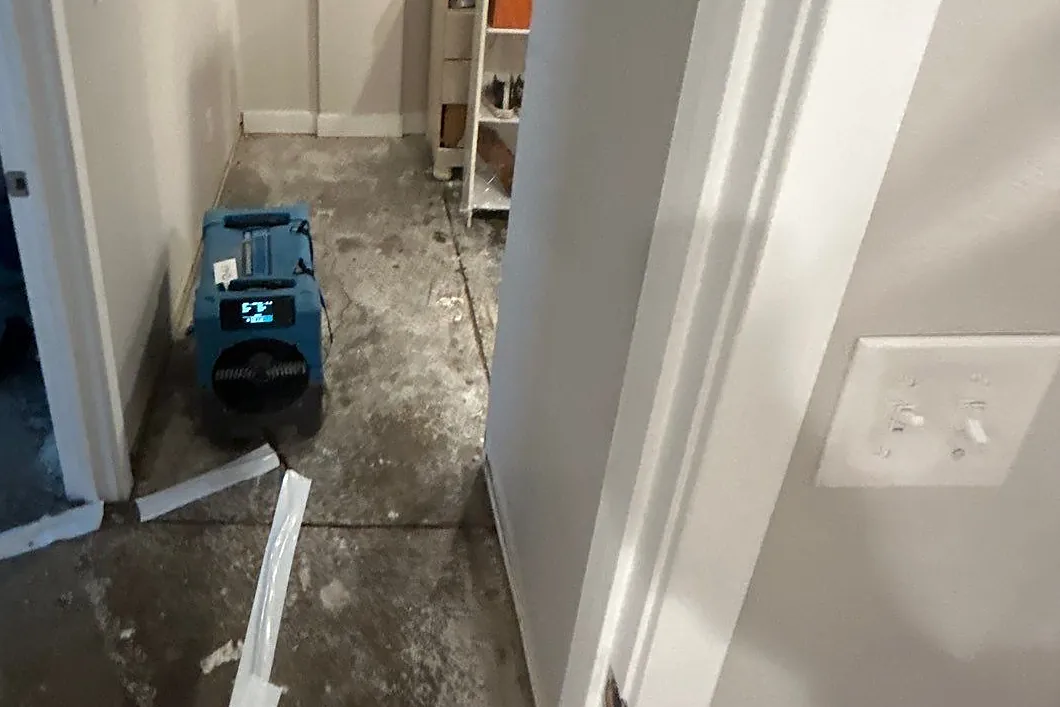
Blue air mover drying an exposed concrete subfloor after sewage cleanup
06

We put your home back

When the rebuild is part of it, the same company that cleaned and dried the space repairs the flooring, drywall, and paint, so there's no handoff to a contractor who wasn't there for the first half.
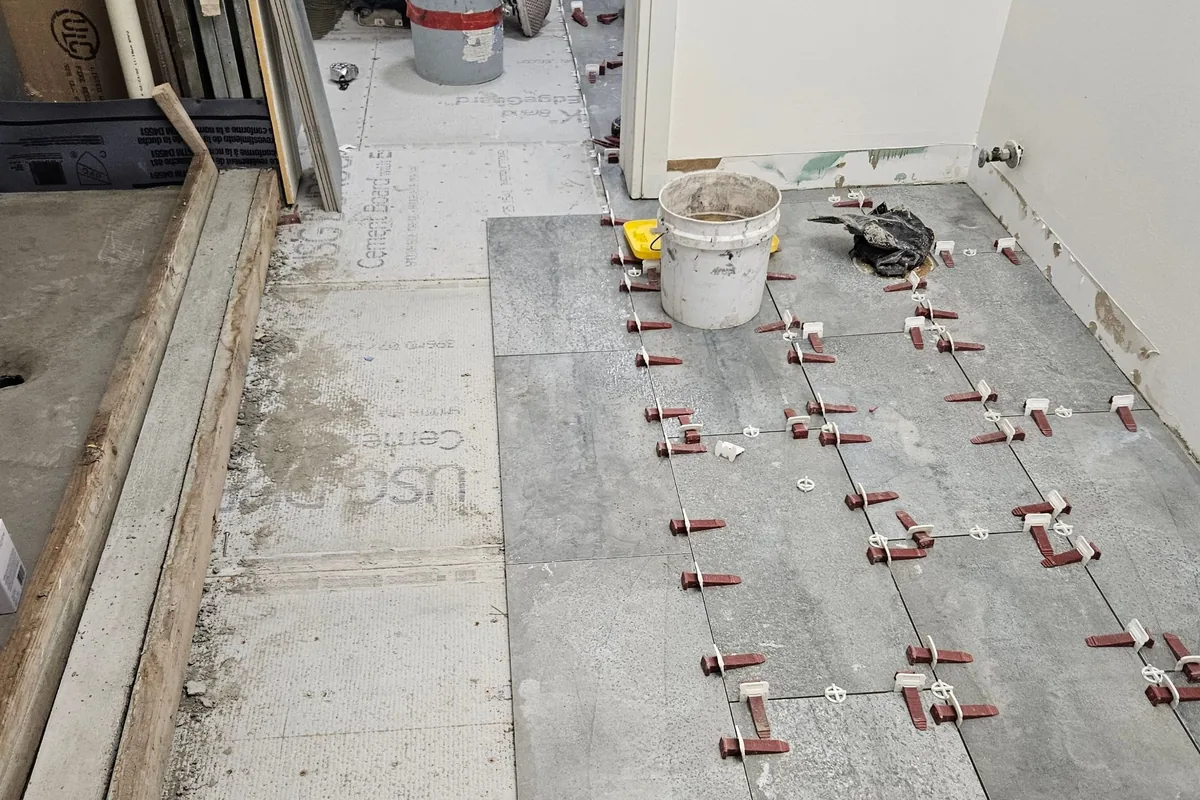
New floor tile being installed with leveling clips during a sewage-damage rebuild
Once it’s clean and the structure is drying, that’s the same drying science we walk through on our water damage restoration page, all under one roof.

What's Under the Surface

Looking clean and being clean aren't the same thing

Once the visible mess is gone, a room can look fine and still not be safe. Contaminated water wicks up the back of drywall, slides under flooring, and settles into the carpet pad where there's no airflow. Wiping the surface doesn't reach any of that.

That's the difference between cleaning up sewage and remediating it. We use moisture detection to find how far the water actually traveled, treat what it reached, and verify the area is clean before we call it done, instead of sealing a contaminated, wet wall back up and hoping. Once it's clean and we're into the drying, that's the same drying science we walk through on our water damage restoration page, and if growth has already started, the same approach as our mold removal page.

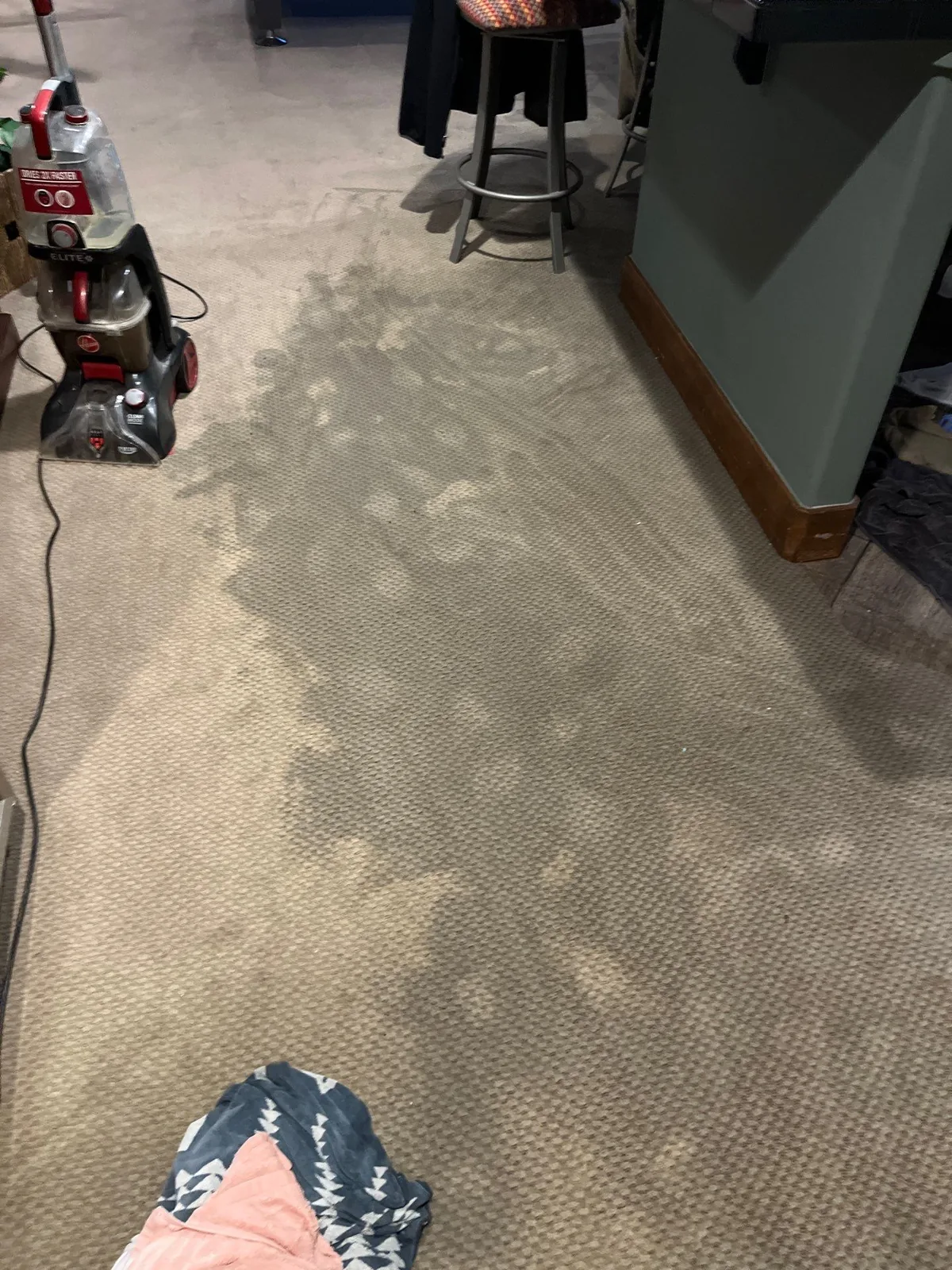
A carpet extractor running over stained carpet where sewage soaked below the surface

Is a sewage backup covered by insurance?

Good news on the question almost everyone asks first: a sewage backup is usually handled a lot like any other sudden water loss. If it happened suddenly, the way a backup or a failed line does, it's often covered. Every policy is different and we're not your carrier, so we won't tell you it's covered before we understand the situation, but you don't need to assume the worst just because it's sewage.

The safest move is to call us before you file anything. We've spent years documenting these losses for adjusters, and we can help you read what kind of loss this is and work in step with your carrier so everyone stays on the same page. Call us first and we can help you sort out who to involve and in what order.

Start to Finish

The company that cleans it up can rebuild it

The point where most restoration projects fall apart is the handoff: one company cleans the place out, then leaves you to find someone else to put it back together.

Forefront does both. The people who contained, cleaned, and dried the space are the same company that handles the reconstruction, so the scope is understood by one set of hands from the first day to the finished room.

For you, that's one number to call and one company accountable for how this ends.

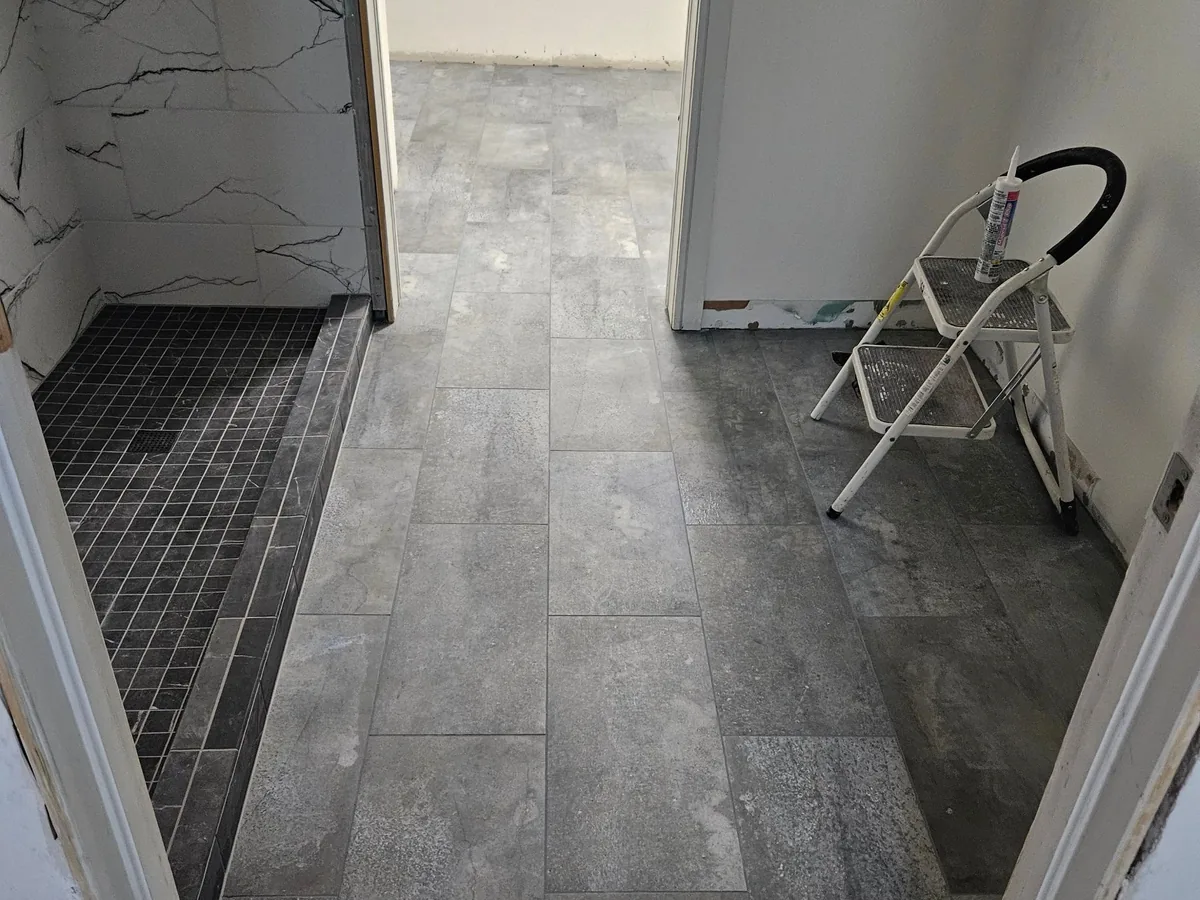
A bathroom rebuilt after sewage damage with new tile floor and a tiled shower

Common Questions About Sewage Cleanup

It can be, which is why we treat it as a health situation and not just a cleanup. The water carries bacteria and other contaminants, so the safest move is to keep people and pets out of the area, avoid handling it yourself, and let us handle it with the right protection and disinfection. If anyone in the home is immune-compromised, give the affected area extra space until we arrive.
You can handle the basics. Keeping people and pets clear, shutting off water to a constantly running fixture if you can do it safely, and taking photos all help. Past that, contaminated water needs containment, the right protective gear, removal or encapsulation of the porous materials, and proper disinfection, which is hard to do safely and thoroughly without the equipment for it. That’s the part worth handing off.
Not everything, but the porous materials that soaked it up often do. Carpet and pad, and sometimes drywall that wicked it up, usually can’t be cleaned back to safe and come out instead. Hard, non-porous surfaces can typically be cleaned and disinfected and stay. We can give you a clear read on what stays and what goes once we see it.
Often, if it happened suddenly. A sudden sewage backup is usually treated a lot like any other sudden water loss, so being sewage doesn’t automatically mean it isn’t covered. Every policy is different, so the safest move is to call us before you file and we can help you read what kind of loss this is first.
We respond 24/7 across the Front Range, with crews out of Centennial, Colorado Springs, and Johnstown. When you call, we’ll give you a real read on timing and tell you what to do in the meantime.
The smell is part of the contamination, and surface spray won’t fix it for long. It clears once the source is removed, the area is properly cleaned and disinfected, and the structure is dried out, because the odor lives in the materials that soaked it up, not just the air.
Yes. The same company that cleans and dries the space can repair the flooring, drywall, and paint when you’re ready, so you’re not handing off to a separate contractor who wasn’t there for the cleanup.

Sewage backup response across the Front Range

We respond to sewage backups across Colorado’s Front Range, with offices in Centennial, Colorado Springs, and Johnstown serving the Denver metro, the Springs, Northern Colorado, and the communities in between. A backup doesn’t keep business hours, and neither do we. See all of our service areas.
DenverCentennialColorado SpringsParkerCastle RockHighlands RanchLittletonAuroraLone TreeEnglewoodLakewoodLongmontGreeleyFort Collins

Let's make this smaller

This isn’t how you planned to spend your day, and it’s not something to handle with a mop. It’s also something we walk people through all the time. Call and we can start figuring out the next step together, starting with getting everyone safely clear of it.
You'll talk to a real personA live dispatcher around the clock, not a phone tree or a form.
Always clean, then dryContained and disinfected first, so we're not blowing the problem around.
One company, start to finishFrom cleanup and drying through the rebuild, under one roof.