24/7 Water Damage Response

Water Damage Restoration in Wheat Ridge

Forefront Building + Restoration handles water damage in Wheat Ridge, from the first emergency extraction through the drying and, when the house needs one, the rebuild. Sewage backups are part of what we handle too. Somebody answers our phone at any hour.
20+ Years on the Front Range

Two decades on the Front Range, through Colorado’s hail, frozen pipes, hidden mold, and basement floods.

IICRC Certified

Finished to a measurable standard, not just whatever looks dry.

Works With All Insurance Carriers

We handle the documentation and talk to your adjuster, so you can focus on your home.

24/7 Emergency Response

Responding quickly can make a big difference. Our line is staffed around the clock, every day.
Is This Something Forefront Can Handle?

Water damage isn’t always dramatic. Sometimes it’s a slow leak that went unnoticed for weeks, and sometimes it’s an emergency in the middle of the night. We handle both. These are the calls we get most often.

Supply line breaks

A supply line is the small hose from a shutoff valve to a refrigerator, dishwasher, toilet or sink. One of those breaking is one of the most common water losses we get called for.

Water heater failures

A water heater tank wears out over time, and when one fails it empties onto the floor fast. In a closed-up basement or utility closet, hot water drives the humidity up, which can get mold moving faster.

Frozen and burst pipes

A pipe in an exterior wall, an attic, a garage or an unheated crawlspace can freeze on a cold night and split when things warm up, running unnoticed. To us it’s the same job as any other water line break.

An appliance that wasn't hooked up right

A washer or dishwasher installed last week can be leaking this week because the connection wasn’t made correctly. Who’s responsible for that matters, and we can talk it through, but the water is what we start on.

Sewage and sewer line backups

When a sewer line backs up into a finished basement, what comes up is contaminated, and that changes the whole job. We seal the area off, handle the sewage cleanup, and disinfect before anything gets dried.

“I don’t know where it’s coming from”

Sometimes it’s a soft spot in the floor, sometimes a musty smell with no obvious source. Whatever it is, something is wet, and finding where it’s coming from is part of what we do.
If you’re looking at one of these right now, you don’t have to sort out the cause before you call. We can often help you narrow it down over the phone. (303) 660-6216

Flooring Can Have a Big Impact

How the floors were affected is one of the biggest things driving what a water loss costs. A floor that runs continuously through a room, or through several rooms with no threshold between them, is one floor, so putting it back the way it looked before becomes a decision about that whole floor and not just the wet patch in the middle.
With wood, a small buckled area may not need replacing at all once it dries down. But the drying leaves gaps between the planks, so the whole floor may need sanding and refinishing to keep the repair from looking like a repair.
What the repair needs and what a carrier will pay for can be two different questions. Most carriers stop carpet replacement at a threshold or a door that can close, which they describe as line of sight, so we don’t promise up front that all of a continuous floor gets replaced. Coverage is your carrier’s determination and not ours, but we’ll tell you what’s likely to be covered and what may not be, and you have a say in what you’d like to see.
Moving fast is what gives a continuous floor its best chance of being saved instead of replaced. When there’s a lot of water we map how far it went with moisture meters, so what comes out and what stays is measured rather than guessed.
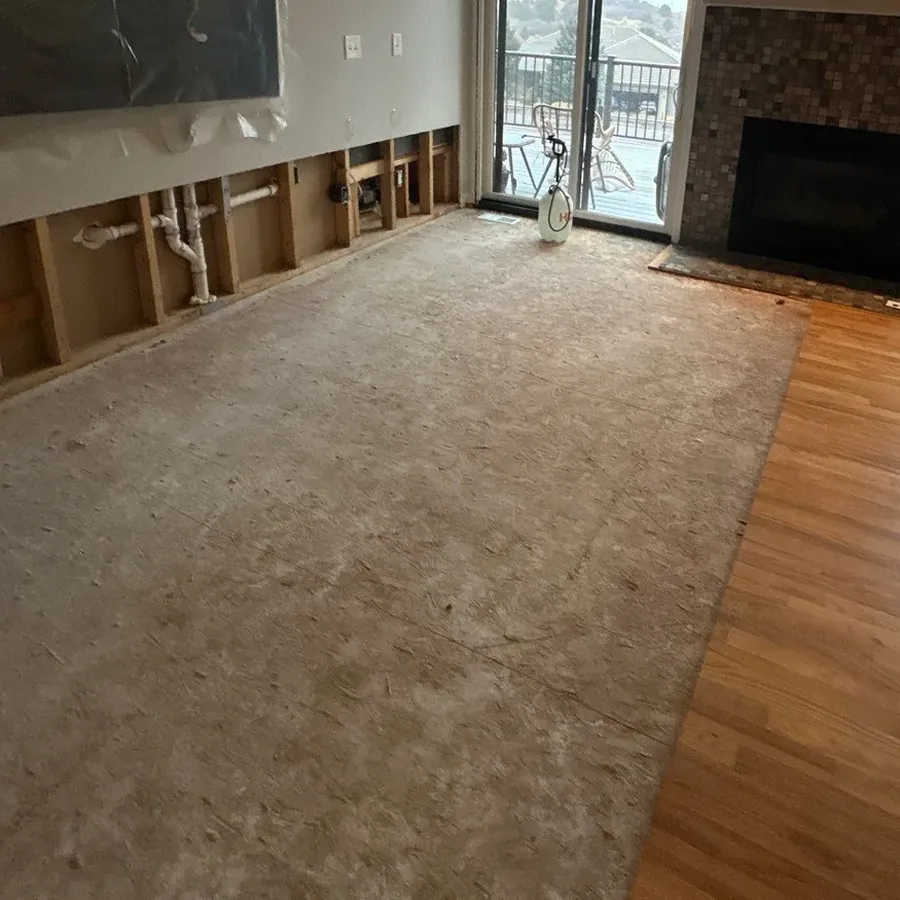
Water damaged flooring removed to expose the subfloor, next to hardwood that stayed in place
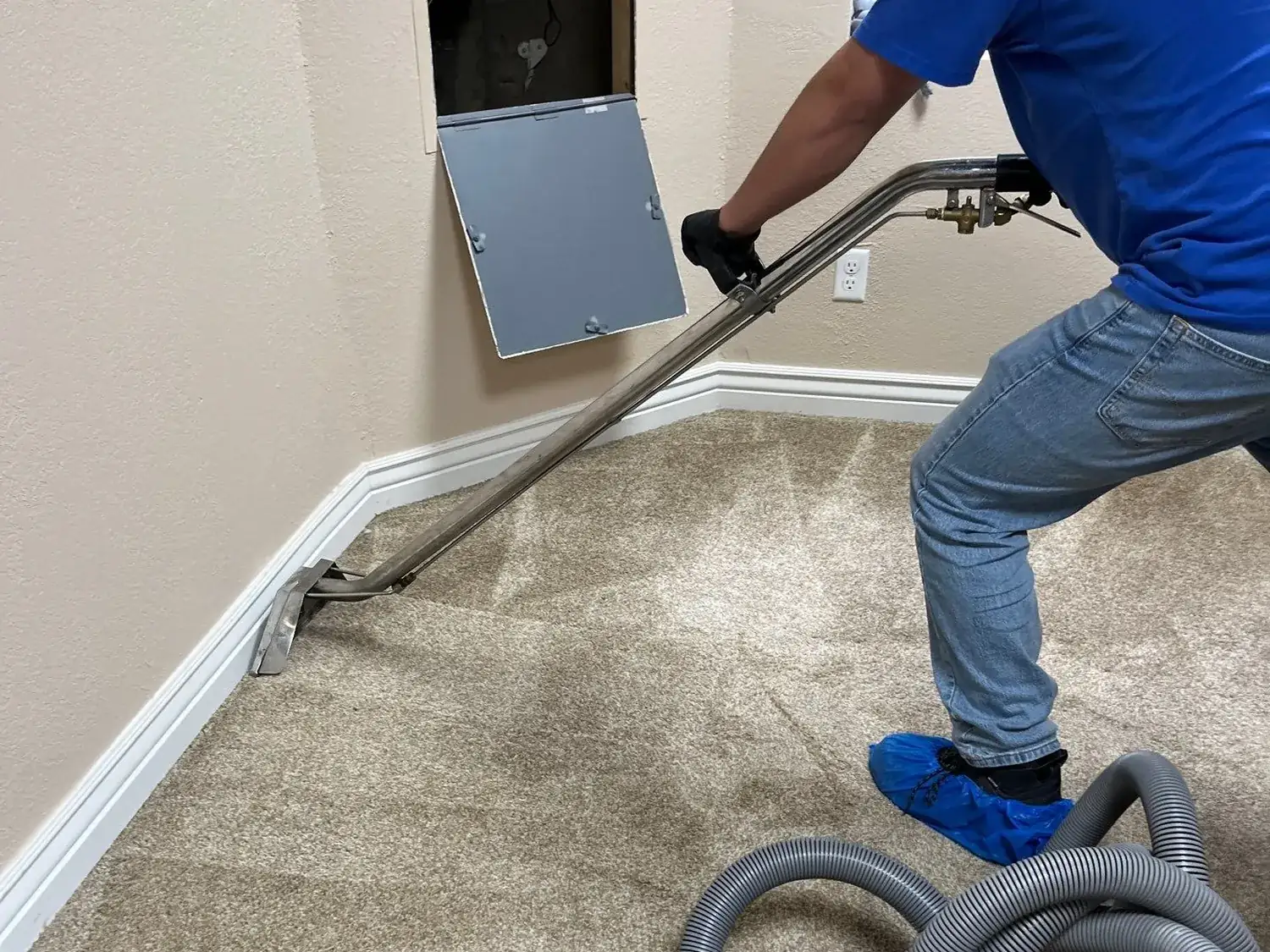
Restoration technician extracting water from soaked carpet with a truck-mounted extraction wand

Extract, Dry, & Rebuild

We start by stabilizing the house, which means getting it to the point where nothing is getting any worse. We extract the standing water, move your belongings up off the wet floor, and set drying equipment in the affected rooms while the rest of the plan gets worked out.
After that we go material by material. Some of what got wet can be dried where it is. Some of it can’t, either because it’s damaged or because it holds water in a way that won’t evaporate out efficiently. Drywall that got wet but isn’t damaged, with no insulation behind it, can often be saved. A saturated wood subfloor under tile often doesn’t dry well. We do our best to work out what can be saved, what can be dried in place, and what would be cheaper to replace, and we walk you through what we’d recommend removing and why before anything comes out.
Once the drying equipment is running we monitor the moisture in the materials, and we keep at that until the structure is dry. If there’s rebuilding to do after that, we can do it. We’re also glad to hand the house back to you dry and let you take the rebuild from there, if that’s what you’d rather do.

Is a Claim the Best Option for Me?

Not every water problem belongs on an insurance claim. Some of them land close to or under a deductible, and every claim you file goes on your history whether it pays out or not. Plenty of losses are the other way around, and filing is exactly the right move. That’s what you’ve been paying premiums for.
It’s common to be unsure whether to file the claim first or have a company like ours come out and look. Insurance agents usually recommend the restoration company go first, so there’s a real estimate and a read on how likely coverage is before anything gets filed. We can’t decide coverage on your carrier’s behalf, but we can tell you what we’re seeing. Filing and then getting denied still lands on your history and buys you nothing.
We never want to push you toward a claim you don’t need. With years of experience in the industry and with insurance, we help you make the best decision for your situation. A Free Damage Assessment gives you a real read on the scope and what it’s likely to cost, so you can make that call with real information in front of you. If you do file, we handle the documentation and coordinate with your adjuster.
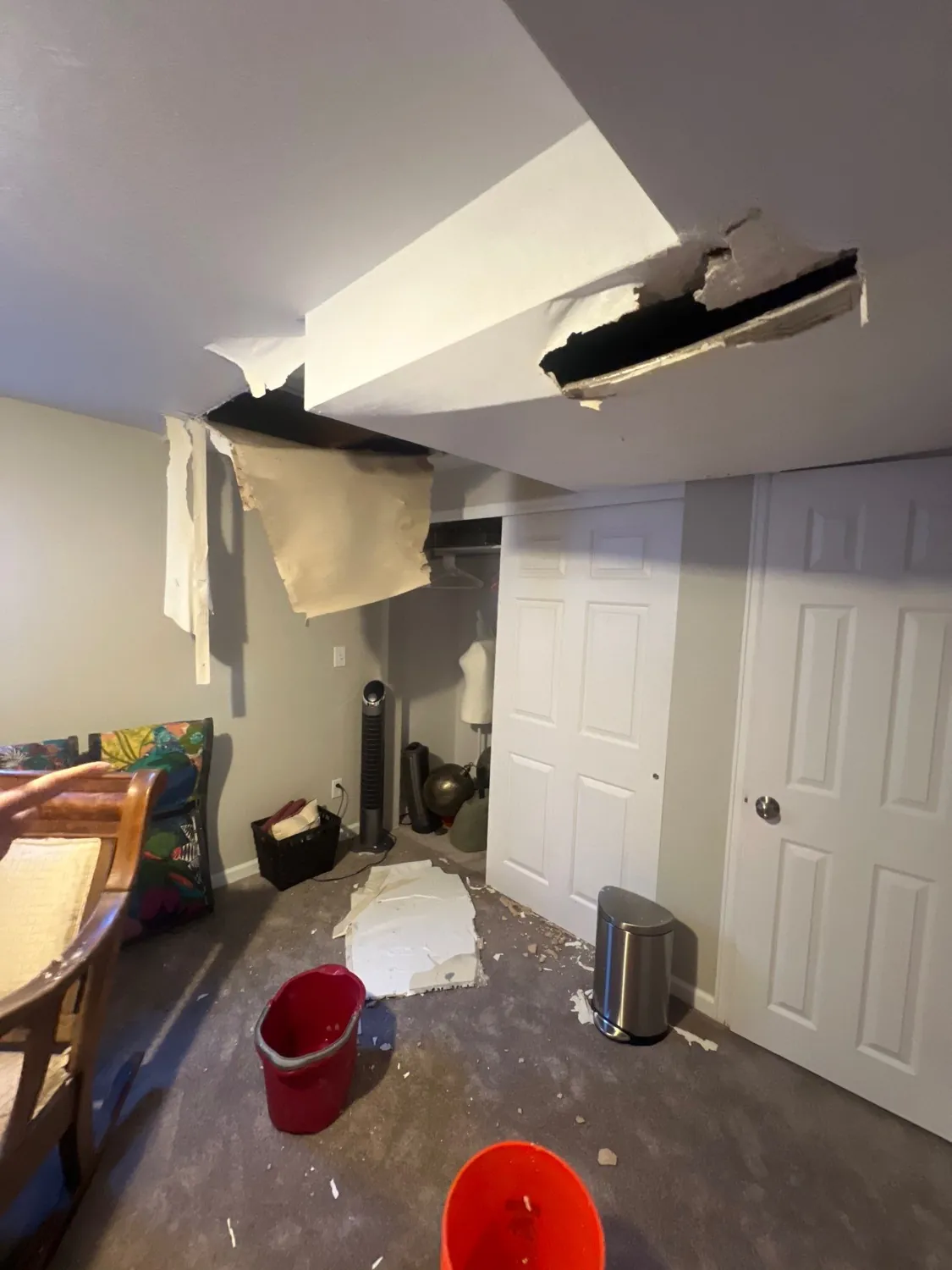
Ceiling collapsed and drywall fallen from water damage, debris and buckets on the floor

When You Can Handle It, and When to Call

If a small amount of clean water sat on a hard surface and you can dry it fully within a few hours with a wet vac and fans, you may be fine on your own. Sometimes the cleanup you already did is the whole story.

A few things are worth noticing either way, because they’re the first things we’d ask you about. Is there bubbling on the baseboards? Any bubbling or swelling on the bottom of a bathroom vanity? Did it reach carpet? If it didn’t touch carpet, you’re more likely okay.

Give us a call just to make sure. We’re happy to talk you through it, and we’re willing to come out and do a Free Damage Assessment to confirm it’s something you can handle on your own.

It's worth a Free Damage Assessment when:
  • Water reached carpet, pad, drywall or baseboards
  • The water was contaminated, or it sat long enough to turn
  • A pipe broke inside a wall, so water ran where you can't see it
  • It sat more than a few hours before you found it
  • You've dried what you can and still smell or feel dampness days later
When you’re not sure which side of that line you’re on, call us. We can often tell from a few photos or a quick conversation. (303) 660-6216
Water Damage Restoration Near Me in Wheat Ridge

Serving Wheat Ridge
and the North Metro

Searching for water damage restoration near you in Wheat Ridge? You want a crew that can actually get to you, not a call center. We’re in Wheat Ridge regularly, and in the cities around it to the north, east and west. If you’re nearby and not sure whether we come out your way, just ask.
Wheat RidgeArvadaWestminsterThorntonBroomfieldBrightonGoldenLafayette
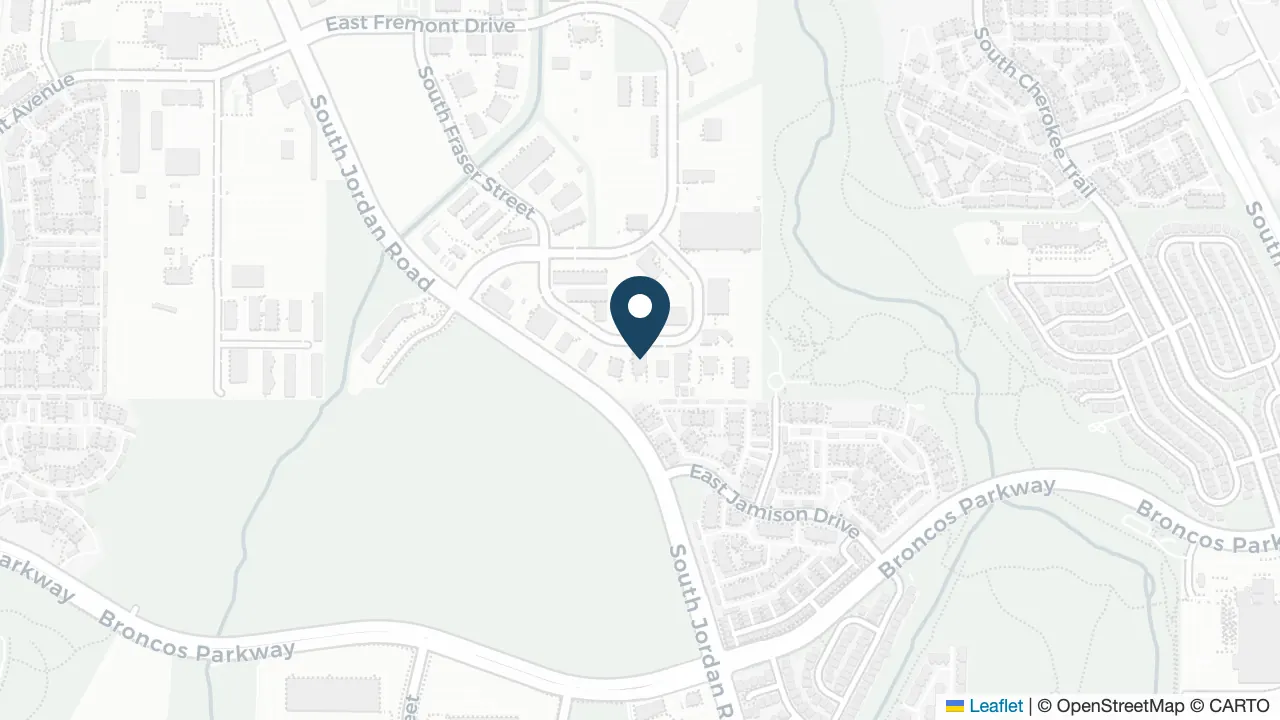
Map of Forefront's Denver Metro office in Centennial, Colorado
Denver Metro Office
Based in Centennial, serving Wheat Ridge and the surrounding cities
★★★★★ 4.7 · 366 Google reviews
(303) 660-6216

Frequently Asked Questions

Yes. We extract and dry, we remove what can’t be saved, and we can rebuild what came out. Plenty of people have us do the cleanup and drying and then take the rebuild on themselves or hand it to a contractor they already know, and that’s a normal way for us to work.
On an active water emergency the first priority is getting a crew on site to extract the water and stabilize the house. The sooner the standing water is out and the drying starts, the less of it works into materials you’d rather keep. Call (303) 660-6216 and we’ll tell you what to expect.
Not necessarily. Water gets into the seams between the planks and the wood absorbs it, and the buckling that follows can take a day or more to show up. If a floor looks unchanged the morning after, that’s worth checking rather than settling.
Yes. A sewer backup is a contaminated loss, which changes what can be saved. Hard surfaces like tile and concrete can be cleaned and disinfected. Porous materials that absorbed it, like carpet, carpet pad and drywall, can’t be, so those come out. We seal off the area, remove what has to go, clean and disinfect, dry it, and then rebuild what came out.
Sudden, accidental water damage such as a burst pipe or an appliance line that failed is typically covered, while slow leaks and water coming in from outside are treated differently. It comes down to the cause and to your specific policy, and just because something isn’t typically covered doesn’t mean it isn’t covered in your circumstance. We’re not your carrier and we don’t determine coverage, but after twenty years working with agents and adjusters we can help you understand what you’re likely dealing with before you file.
Yes. Forefront serves Wheat Ridge and Jefferson County (water, fire, mold, and full reconstruction) from our Centennial office. Call (303) 660-6216 any time; we dispatch 24/7 and reach most Wheat Ridge-area addresses quickly.

Not Sure What Comes Next?

That’s where most people are when they call. Start with a conversation. We’ll walk through what you’re dealing with and lay out your options, including whether it’s something you can handle on your own.