Black mold is the same job as any other mold. We contain the area, take out what's affected, clean and treat what stays, and dry it out so it doesn't come back. What color the mold is matters less than how far the moisture behind it has spread.
Colorado isn't too dry for mold.
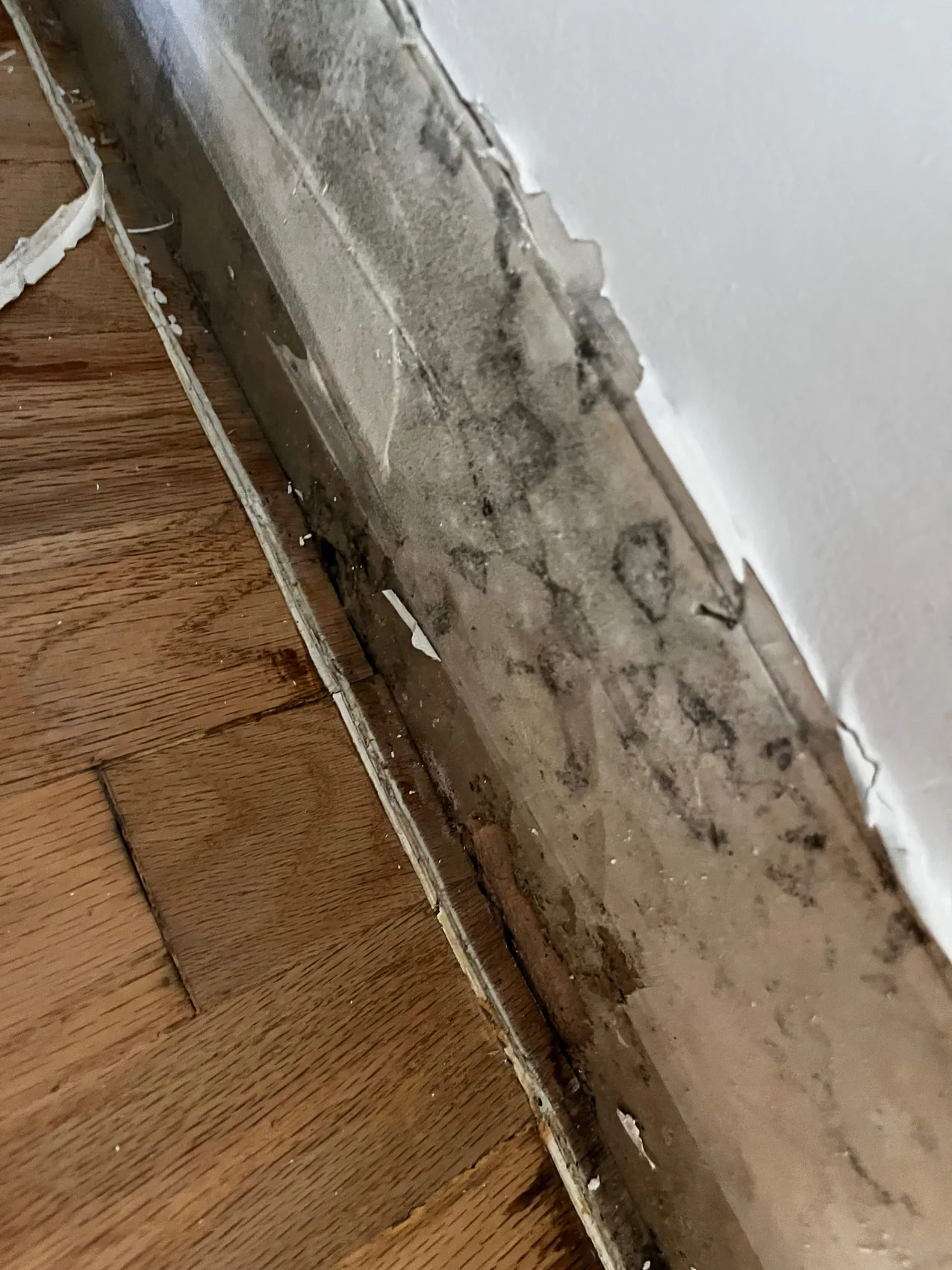
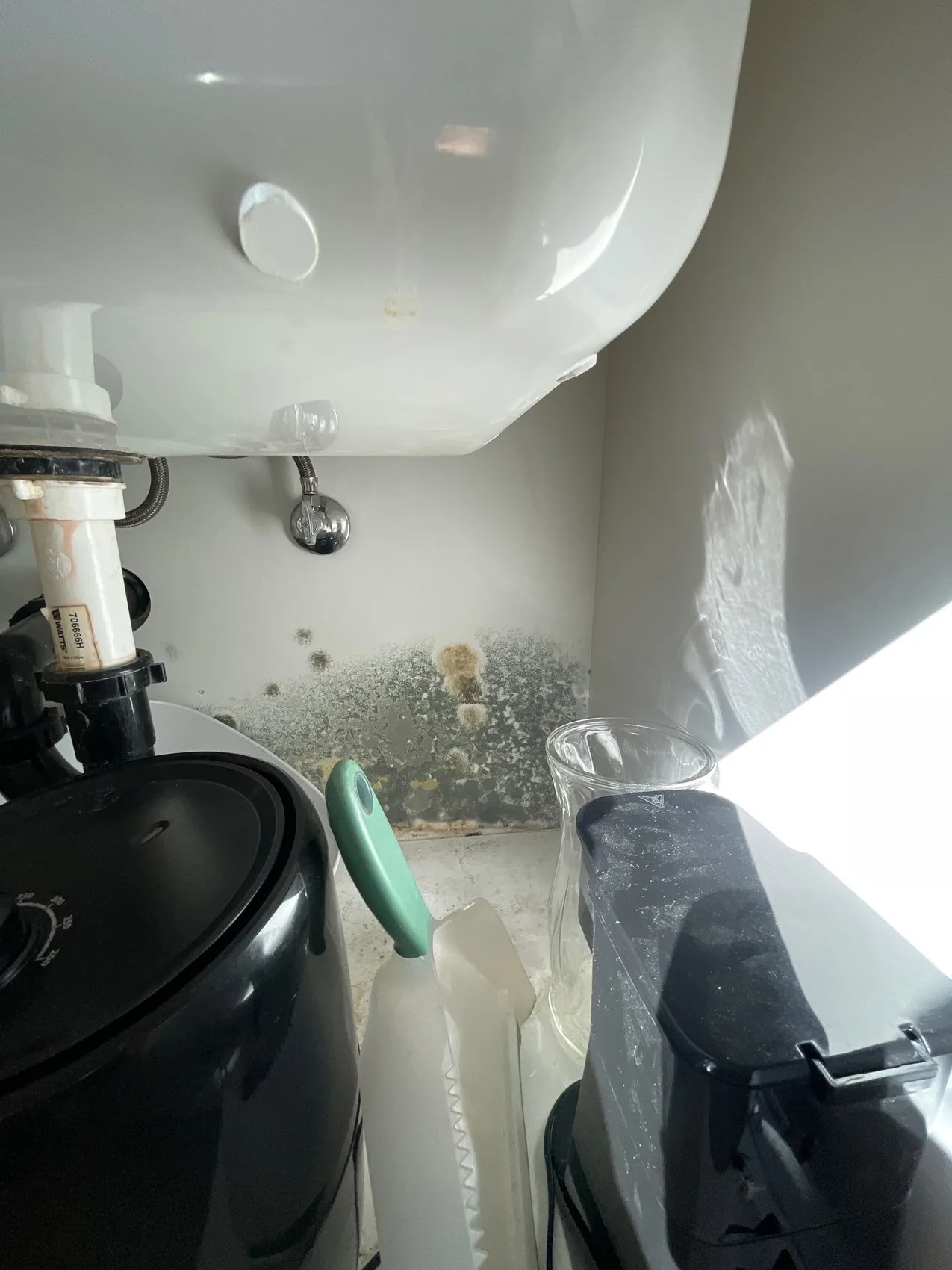
Give trapped moisture 24 hours and mold can start, behind baseboards, under carpet, and inside the drywall, long before you ever see it.
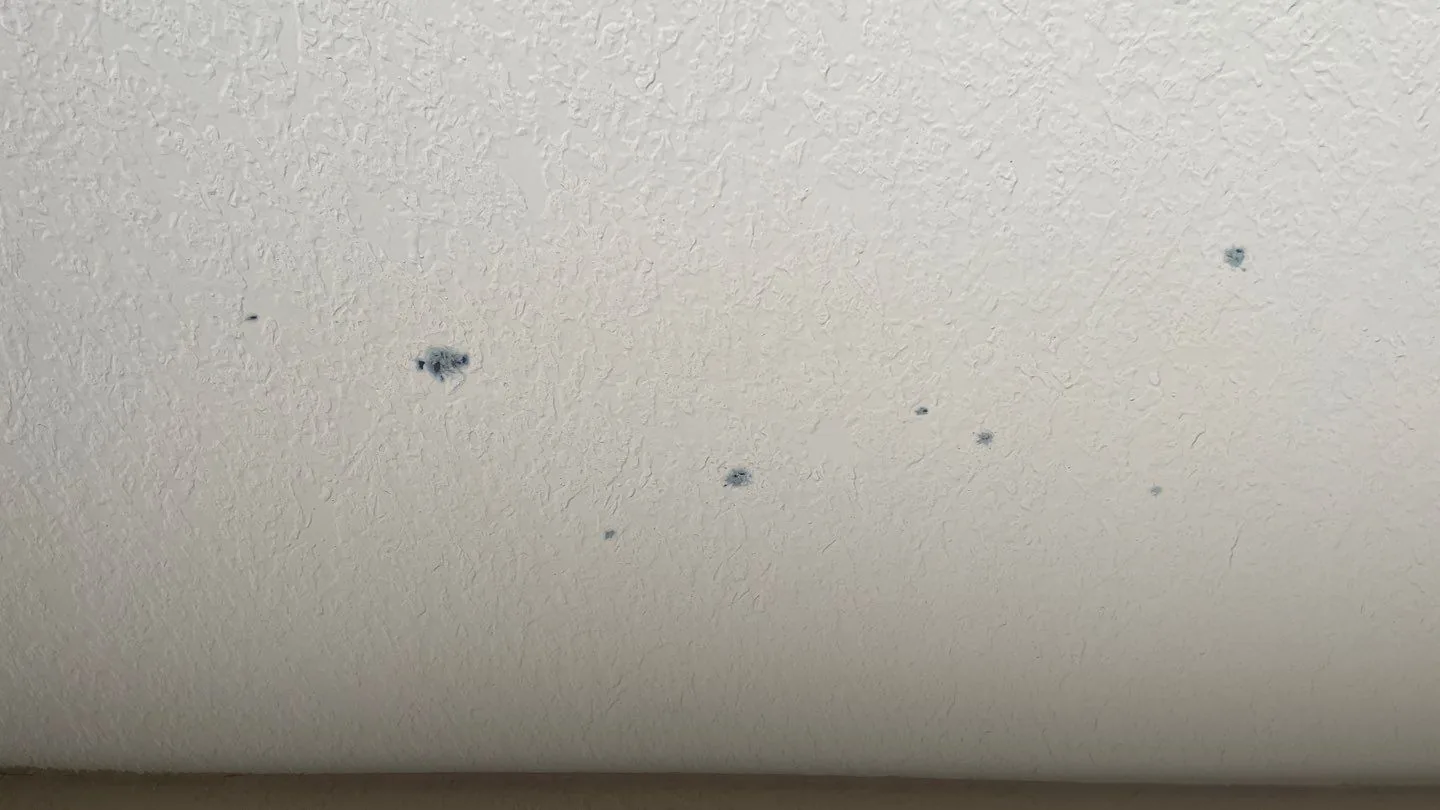
We start by confirming whether it's actually mold and how far it goes. A lot of what looks alarming turns out to be minor, or not mold at all, so we look first and show you exactly what we find before anyone talks about work.
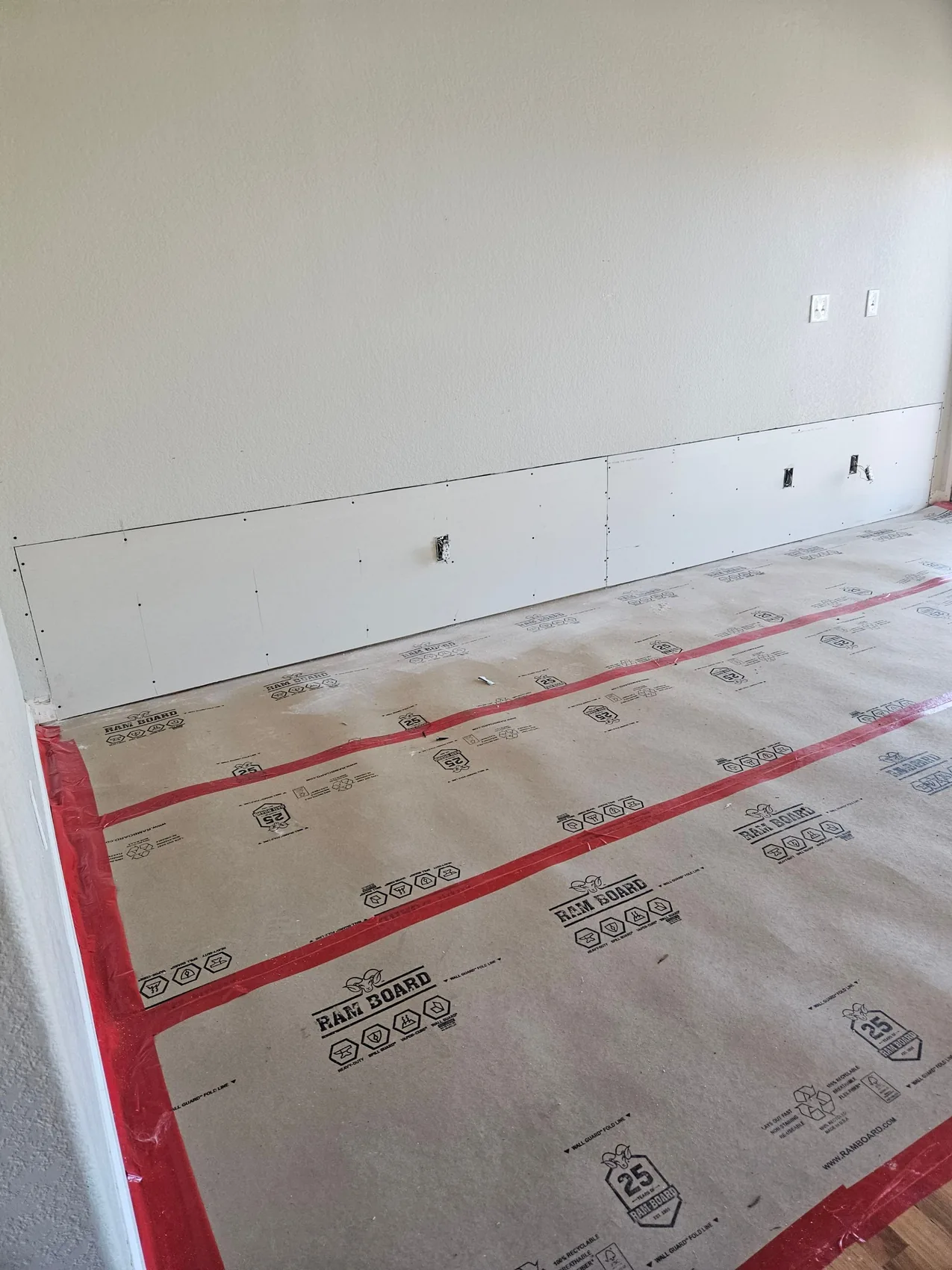
Once we know what we're dealing with, we seal off the area with containment barriers and put it under negative air pressure, so spores don't travel into the clean parts of the building while we work.
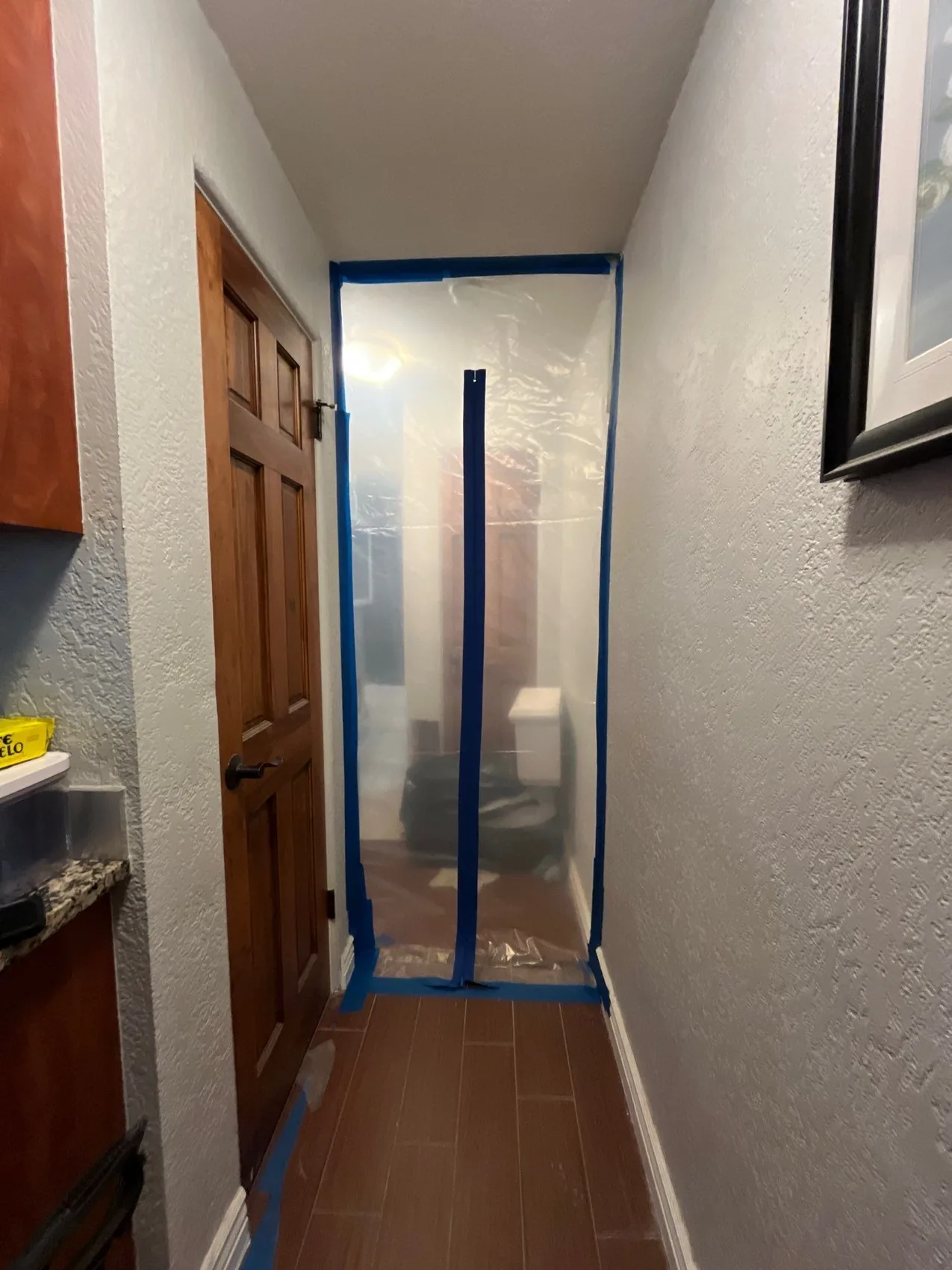
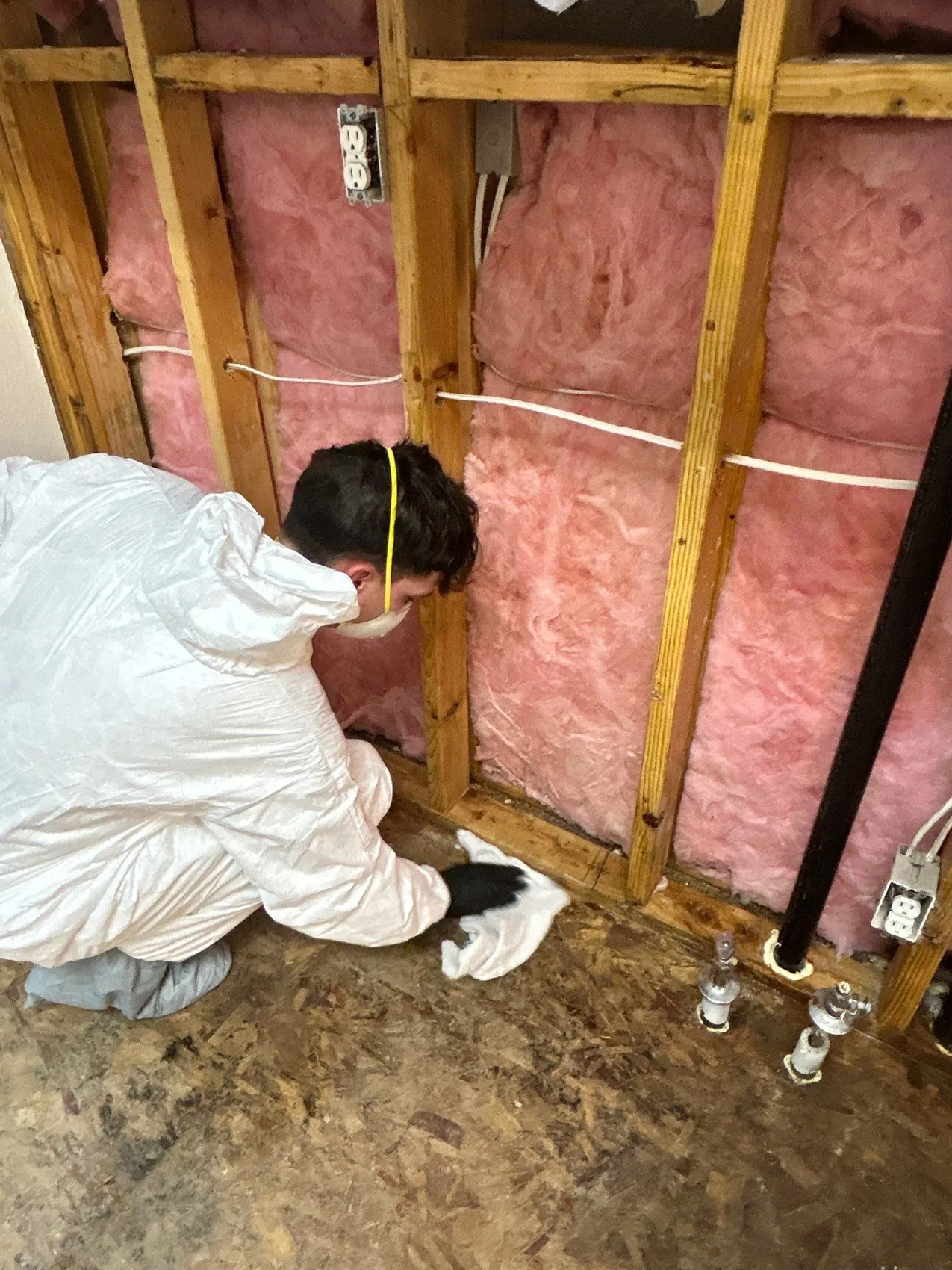
We take out the affected materials with the right equipment and protective gear, following the IICRC S520 standard, keeping dust and spores contained the entire time.
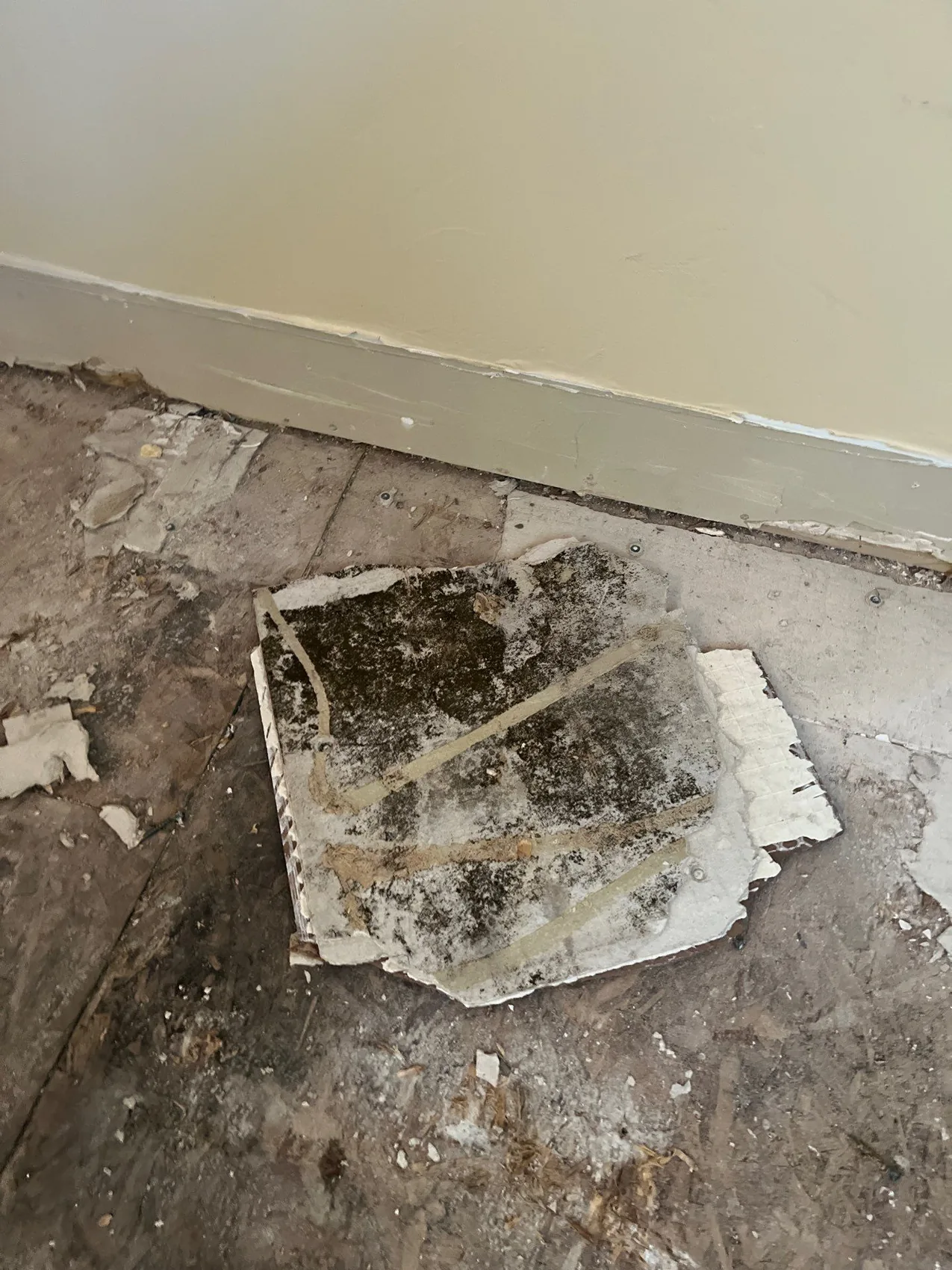
What can be saved gets cleaned with HEPA filtration and treated with an antimicrobial. The surfaces that stay are genuinely clean, not just wiped down on top.
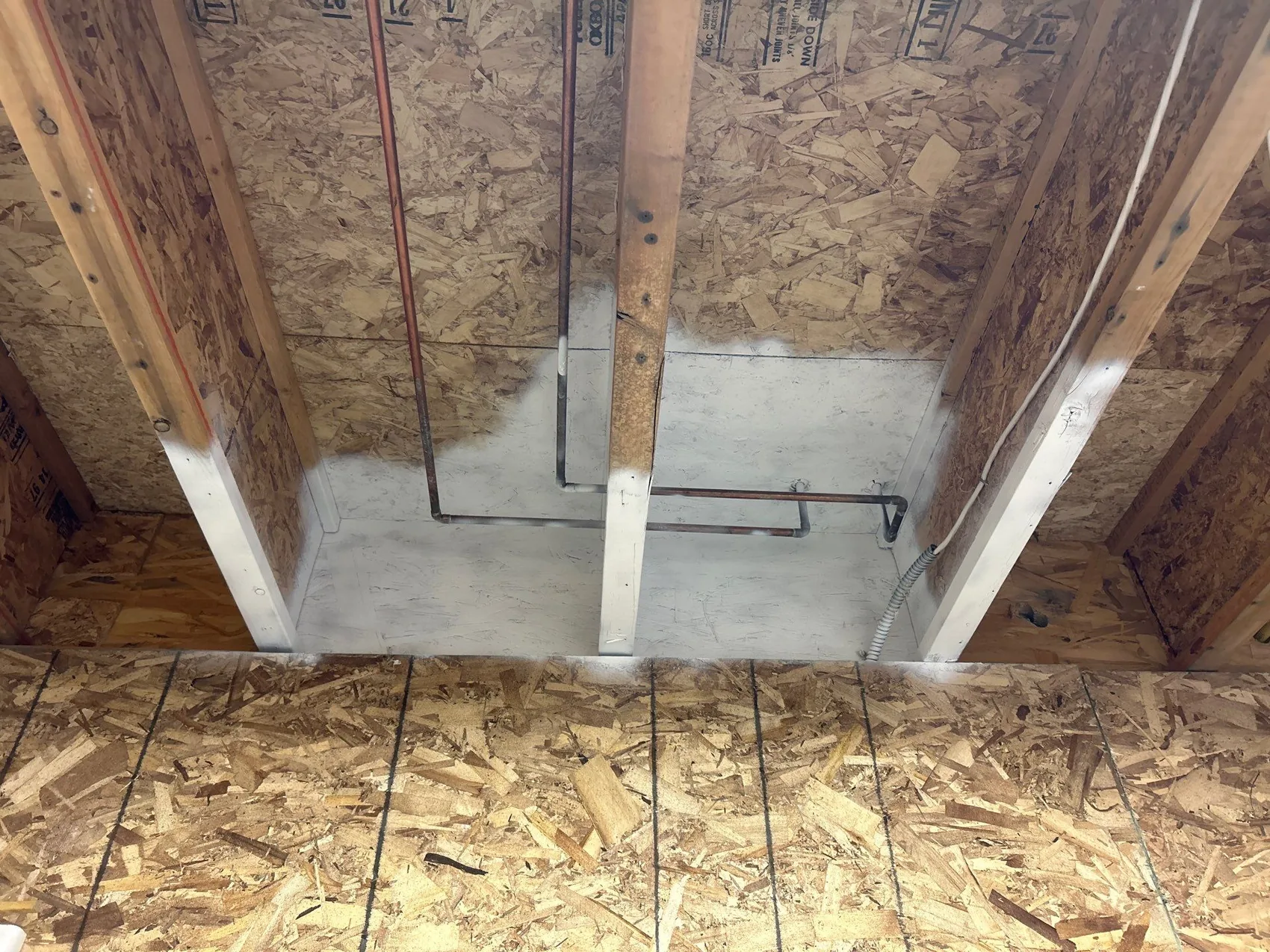
We dry the structure back to a normal moisture level. Mold needs moisture to grow, so getting everything fully dry is a big part of making sure it doesn't return.
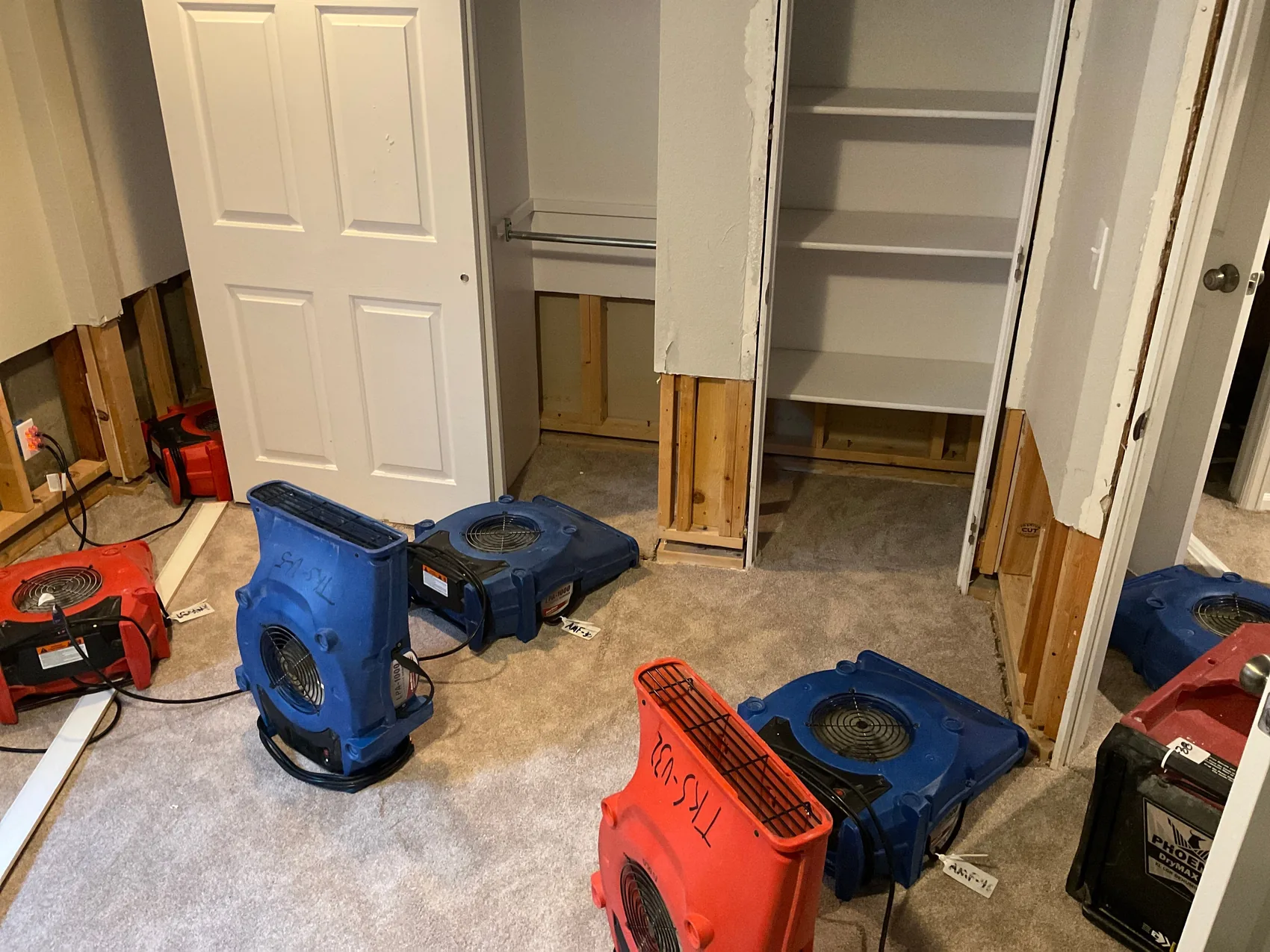
Once everything is clean and dry, we rebuild what was removed: drywall, flooring, trim, paint. The same team that handled the mold puts the space back together.
Plastic barriers, sealed-off rooms, an air scrubber running in the background. It can look dramatic. It's exactly what keeps spores from spreading.
The timeline depends on how much mold there is and how wet the structure is. We give you a real estimate after we see it.
Most mold projects are small, and many wrap up in under a day. With the work area sealed off, the rest of your home or business keeps running normally.
Mold often goes further than it looks from the front. We show you what we find and talk it through before we keep going.
It's tricky, and rarely a clean yes or no. Whether mold is covered usually comes down to what caused it, how long it's been there, and whether your specific policy sets aside coverage for mold. Damage from a sudden, covered event like a burst pipe has a better chance than mold from a slow leak or ongoing humidity. With 20+ years working directly with carriers, we'll help you understand where your situation likely falls before you file anything.
A smaller mold job, contained to one area, usually runs $1,000 to $3,000. It grows from there with the size of the affected area and whether it reached the HVAC.
Sometimes. If the mold is clearly visible and the cause is obvious, testing beforehand may not add much. Where testing really earns its keep is confirming the air is clean once the work is done, and for that we'll point you to an independent company rather than grade our own work.