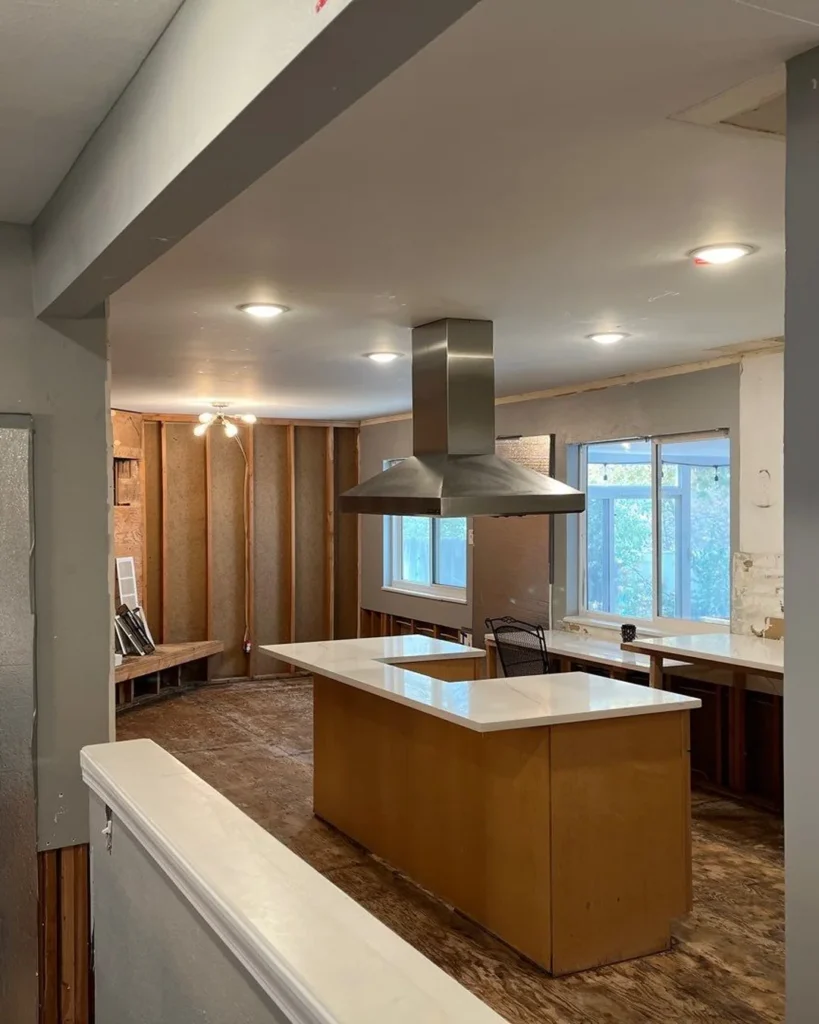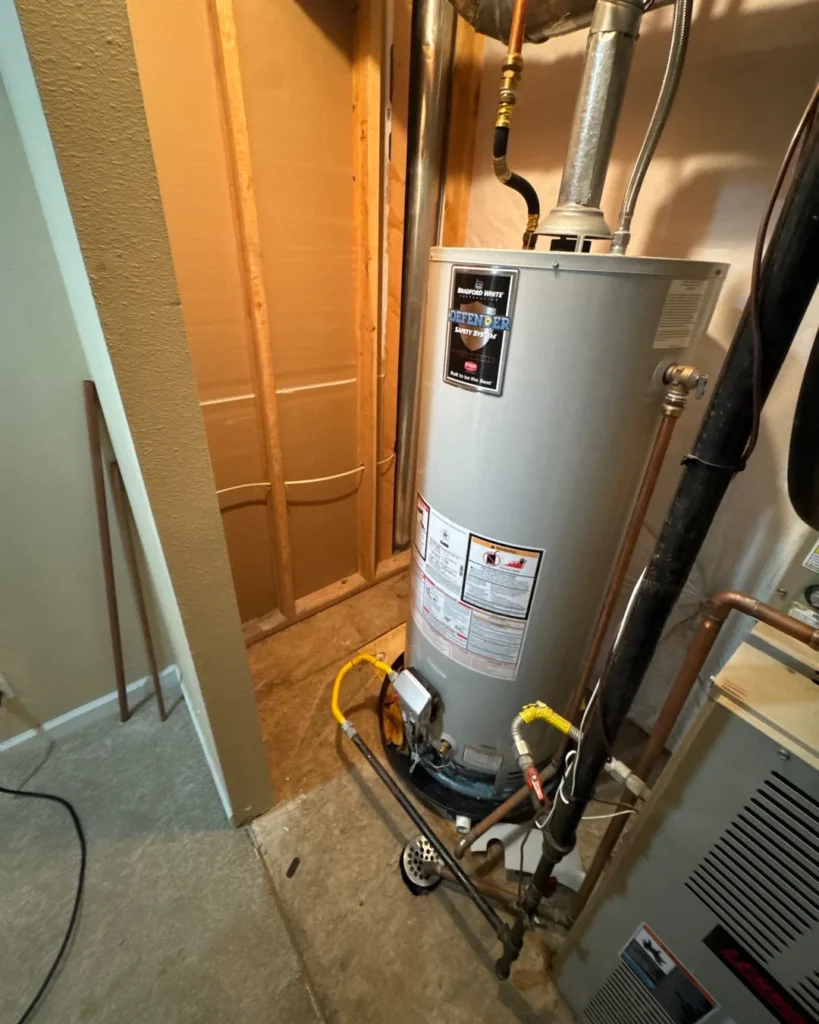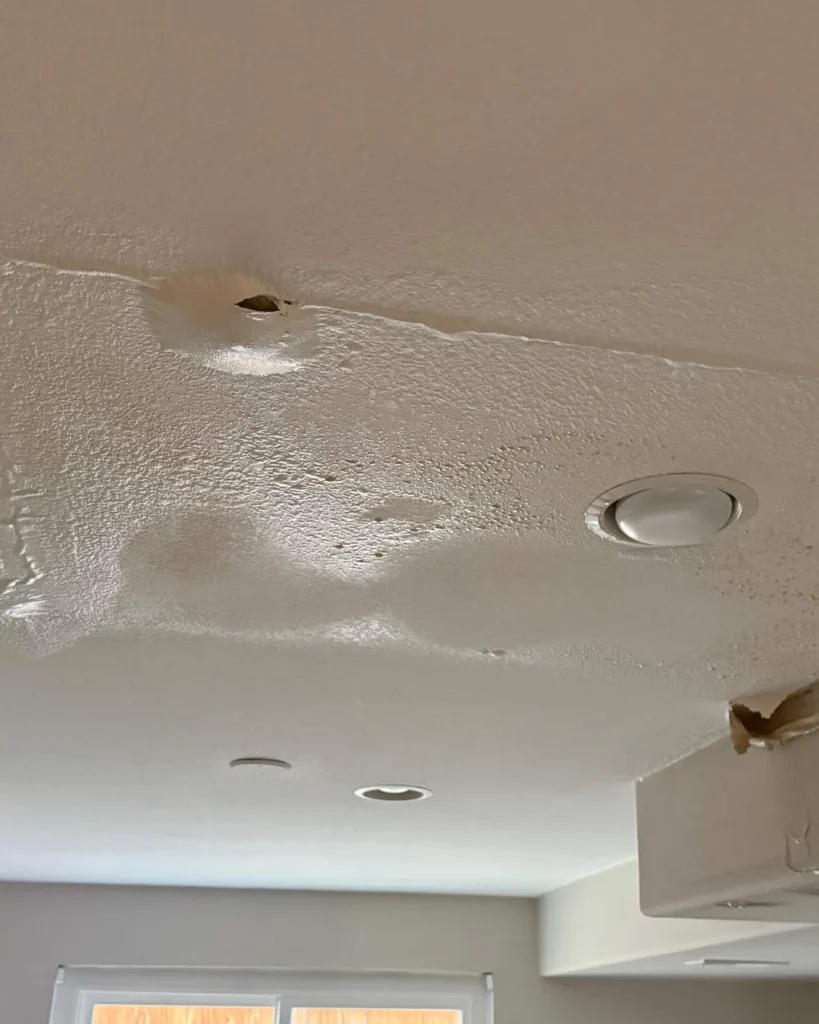
Homeowners insurance generally covers sudden accidents. With water damage specifically, coverage starts with the source. What caused it? When did it happen?
If it just happened, if it came from inside the house, and if it was an accident, it’s likely going to be covered.
What sudden and accidental water damage means
The phrase ‘sudden and accidental’ does a lot of work in a policy. Here’s what it means, generally speaking.
Sudden means it happened, not that it’s been happening or that it happened a long time ago. Accidental means nobody chose it. That it wasn’t done on purpose. Some examples that typically land inside “sudden and accidental”:
- A supply line that broke under a sink, a toilet, or behind an appliance
- A water heater that failed and caused a flood
- A washing machine or dishwasher that overflowed
- A water line that broke in the wall or ceiling
“Accidental” goes beyond an appliance or a pipe failing. It also covers situations like a bathtub or a sink left running until it overflows.
Two common situations where coverage gets more difficult are when the leak has been ongoing, or when the water came from outside the house and touched the ground before it got in.
A slow drip hidden behind a wall for months is not always covered under a standard policy. It’s often considered wear and tear, or maintenance, which is the homeowner’s responsibility. Evidence of an ongoing leak can include mold, or deterioration of the framing and subfloor.
Standard policies also typically exclude flooding. “Flooding” in insurance language means water that comes into your property from outside and touches the ground before it does.
It’s an odd caveat, but water that reaches your house without touching the ground first is often covered. Wind-driven rain is the common example, and so is water coming in through the roof. It’s important to understand the distinction, though: a roof that wore out over time typically isn’t covered for replacement, while the water that came in through it often is.
When it’s worth pausing before you file
A few situations are worth a second look before you call your carrier:
- The wax ring has been leaking at the base of your toilet
- A slow drip from a water valve that has been going for some time
- A nail that pierced a sewage pipe in the wall and has been leaking
- The tile in your shower has failed and is letting water get behind it
Insurance can be complicated. Just because something isn’t typically covered doesn’t mean it isn’t covered in your specific circumstance. Every situation is different and there are a lot of factors to consider.
For starters, your policy may have inclusions that not every policy has. It’s not totally uncommon to have hidden water damage coverage included, which is written specifically for the pipe or water line that has been leaking in a wall for some time without anyone noticing.
Should I just file and let insurance sort it out?
The short answer is no. Filing a claim only to get denied isn’t great for your claim history. Having a solid claim history is similar to having solid credit. It can save you money in the long run. Using insurance responsibly, just like credit, is the way to go.
This is why we offer Free Damage Assessments and partner directly with insurance agents across the Front Range. While we can’t officially determine coverage on behalf of your carrier, we can tell you the likelihood of coverage and communicate with your agent, so they can give you the best guidance with your personal claim history in mind.
What about mold?
Many people have heard that mold isn’t covered by insurance. That isn’t completely true. Some policies include mold coverage outright. For others, mold sits on the line.
Mold is often covered in situations where it’s the result of a sudden and accidental event. For example, if you’re on vacation and your water heater breaks. The hot water floods your basement and sits for several days while you’re out of town, creating ideal conditions for mold to grow. In situations like that, mold remediation is often covered.
What should I do if I’m not sure?
Give us a call. That’s what we’re here for. Often we can give you clarity over the phone. When we can’t, we can come look for free. We’ve been working with insurance carriers directly for over 20 years and have a lot of experience in how insurance works.
In the meantime, consider whether the damage is getting worse the longer it sits, and whether it’s something that should be taken care of regardless of if insurance ends up getting involved. We can help you make those determinations as well. Sometimes it’s smart to get started with extraction and drying immediately, and sometimes it makes sense to have an assessment done first. Our water damage restoration assessment is free and there’s no obligation attached to it.
Call (303) 660-6216 any time. Colorado Springs is (719) 922-6448.
Key Takeaways
- Sudden, accidental water inside the house is typically covered. A leak that’s been running for months usually isn’t, because at that point it reads as maintenance rather than an accident.
- An accident isn’t only something breaking. A tub left running counts too.
- Just because something isn’t typically covered doesn’t mean it isn’t covered in your circumstance. Policies differ, and some include hidden water damage coverage written for the line that’s been leaking in a wall without anyone noticing. Worth a look before you assume.
- “Flood”, in insurance language, means water that touched the ground before it got into your house. Water arriving from above is a different question.
- Filing a claim only to have it denied isn’t great for your claim history, and finding out where you stand first costs you nothing.
- We can’t determine coverage on your carrier’s behalf. What we can do is tell you how likely it looks and talk with your agent, who knows your policy.
Frequently Asked Questions
The water damage from it is typically covered. A pipe that breaks suddenly is the textbook sudden-and-accidental loss, so the soaked drywall, flooring, and framing are usually in scope. The repair to the pipe itself often isn’t.
It doesn’t always happen, and nobody can tell you in advance, including your agent. That’s an unsatisfying answer and it’s the reality: even agents struggle to tell their insured what to expect after a claim. So treat it as one factor next to the size of the loss, rather than as the thing that decides it. If it’s the part you’re worried about, say so when you call and we’ll walk through the trade with you.
Usually yes for the damage inside, but not always for the roof itself. Two different questions, two different answers. A roof that wore out over time typically isn’t covered for replacement, because that’s maintenance. The water that came in through it and soaked your ceiling often is. A roof damaged in a recent hailstorm, however, is often covered.
It gets harder the longer it’s been running, but check your policy before you assume. Standard policies cover sudden events and exclude gradual damage, so a leak discovered months in raises questions a fresh break doesn’t. Some policies carry hidden water damage coverage written for exactly that situation. Either way, documentation matters more, not less: moisture readings, photos, and a clear scope of what’s actually wet.